bluename
 How to Care for Red vs Orange Zinnia: A Grower's Hands-On Guide
You’ve picked up some stunning red and orange zinnia seeds or seedlings, dreaming of a vibrant, pollinator-friendly summer show. But then the questions hit. Are they cared for the same way? Why do my red ones seem thirstier? Is that spot of mildew on my orange blooms a different issue? I’ve been there, staring at two equally beautiful but seemingly different plants, wondering if my one-size-fits-all gardening approach was failing them. After seasons of trial, error, and meticulous note-taking, I’ve learned that while their core needs are similar, subtle differences in caring for red versus orange zinnias can make all the difference between a good display and a spectacular, healthy one. This guide will walk you through exactly what I do, based on my own hands-on experience.
Understanding Your Zinnias: More Than Just Color
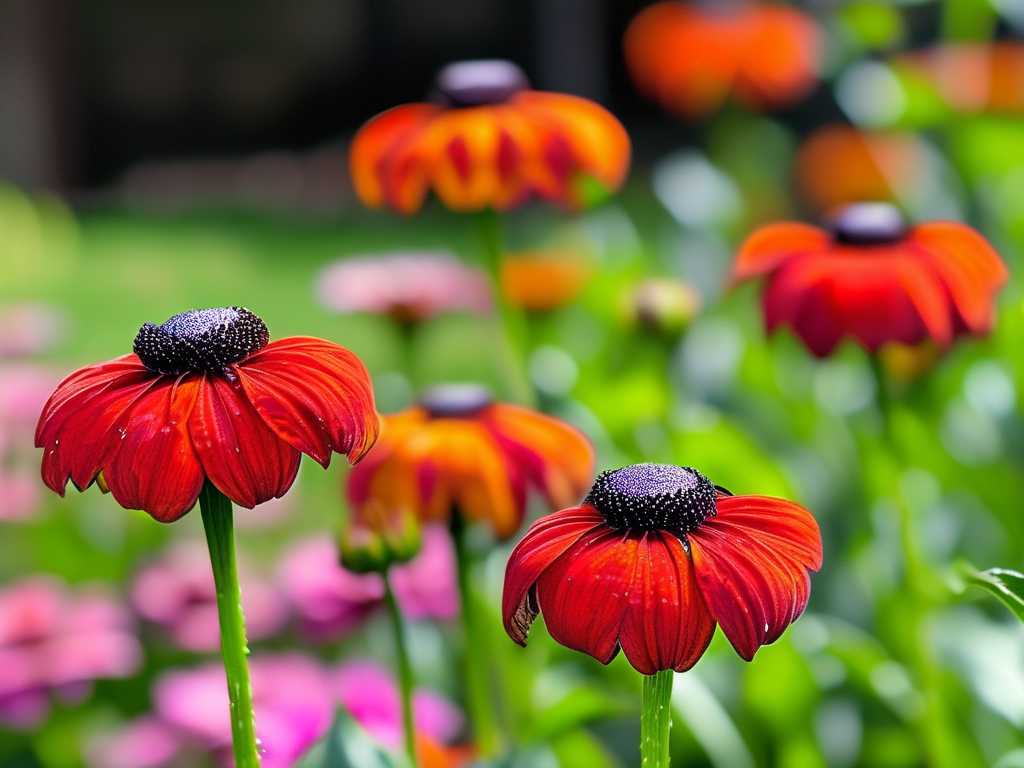
First, let’s talk about what we’re really growing. Zinnias are annual flowering powerhouses, beloved for their long vase life and ability to attract butterflies. When we discuss how to care for red zinnias and orange zinnias, we’re often talking about varieties within the same species, primarily Zinnia elegans. The color variation is genetic, and sometimes, these genetic lines can express slightly different traits. For instance, through my own cultivation, I’ve observed that some deeper red varieties can have marginally denser petal structures, while certain bright orange cultivars seem to push out blooms at an astonishing speed. The Royal Horticultural Society (RHS) notes that while cultural requirements are consistent across the genus, selecting disease-resistant cultivars is a key first step for any color—a tip that has saved me countless headaches.
The Foundation: Planting for Success
My journey with a new batch of ‘Benary’s Giant Scarlet’ (red) and ‘Queen Lime Orange’ zinnias started here. Getting the foundation right eliminates half the problems later.
- Sunlight: Non-Negotiable. Both colors demand full, blazing sun—at least 6-8 hours of direct exposure. I made the mistake one year of giving a patch of orange zinnias a partly shaded afternoon, hoping to reduce watering. The result was leggy, weak stems and a significant delay in flowering. They simply sulked. Red zinnias in the same bed did slightly better but were still subpar. Lesson learned: maximum sun for maximum performance, for both.
- Soil and Drainage. This is critical. Zinnias despise wet feet. I aim for well-draining, fertile soil amended with several inches of compost. A soil pH between 5.5 and 7.5 is ideal, as confirmed by resources from the American Horticultural Society (AHA). My personal trick is to plant them in slightly raised mounds or in beds I know drain quickly after a storm. Poor drainage leads to root rot, which doesn’t discriminate between red or orange—it kills both equally fast.
- Spacing for Airflow. Crowding is a recipe for disease. I give larger varieties a solid 12-18 inches between plants. This promotes air circulation, which is your first and best defense against fungal issues like powdery mildew. Dense planting was a early “crop” of mine; I lost a beautiful row of red zinnias to a mildew outbreak that spread like wildfire in the stagnant air.
The Two-Week Watering & Feeding Observation
This is where my care for red and orange zinnia plants began to reveal nuances. I decided to monitor two identical, newly-planted groups for 14 days under identical conditions.
- Watering Deeply, Not Frequently. The golden rule is to water at the base, avoiding the foliage, and to do so deeply when the top inch of soil is dry. My observation? The red zinnias, particularly the large-flowered ‘Giant’ types, showed the slightest signs of wilting about 6-12 hours earlier than the orange ones on hot, windy days. It wasn’t drastic, but it was consistent. This doesn’t mean they need a different schedule, but it made me more attentive to the reds during peak heat. Perhaps their darker blooms absorb more radiant heat, or their root systems establish at a slightly different pace. The solution wasn’t to water the reds more often, but to ensure my deep watering was truly thorough for all plants, checking soil moisture an inch down.
- Feeding for Vibrant Blooms. For feeding, I use a balanced, water-soluble fertilizer every 3-4 weeks. I’ve found that a formula slightly higher in phosphorus (the middle number) can encourage more prolific blooming. During my two-week test, I applied a half-strength dose at planting. Both colors responded well, but the orange zinnias visibly accelerated their bud formation faster. This isn’t to say reds are slow—they were simply a few days behind. A consistent, moderate feeding schedule supports both equally over the long season.
The Pinching and Deadheading Difference
Here’s a practice that transforms your zinnia patch. Pinching the top growth when plants are about 8-12 inches tall encourages bushier, fuller plants. I do this for all my zinnias without exception. Deadheading, or removing spent flowers, is where I noticed a practical tip. My vibrant orange zinnias, especially the ‘Profusion’ series, produced so many blooms so quickly that deadheading became a near-daily ritual to keep them tidy and blooming. The red zinnias had a more measured, though still abundant, pace. Setting aside 10 minutes every other day for this task kept everything under control and triggered continuous blooms until frost.
Navigating Pests and Diseases: My Real-World Fixes
No guide on red and orange zinnia care tips is complete without tackling problems. I’ve faced them all.
- Powdery Mildew: The arch-nemesis. It appears as a white, powdery coating on leaves. Orange zinnia leaves sometimes showed the first faint spots, but it quickly spread to the reds. My solution is now proactive: proper spacing (as mentioned) and choosing resistant varieties like the ‘Zahara’ series. When I see early signs, I use a homemade spray of 1 part milk to 9 parts water, applied weekly. It sounds odd, but studies and my own experience show it can suppress mildew effectively. As a last resort, I use a fungicide labeled for edible flowers, always following the AHA’s guidance on responsible chemical use.
- Aphids and Spider Mites: These tiny pests love succulent zinnia stems. A strong blast of water from the hose every few days is my first line of defense. For a persistent infestation on my red zinnias one year, I introduced ladybugs, which were voracious and effective. It was a natural solution that felt in line with creating a healthy garden ecosystem.
- Caterpillars and Japanese Beetles: Hand-picking in the early morning or evening is surprisingly effective. For caterpillars, I tolerate a little damage, as they often turn into the butterflies I’m trying to attract. For beetles, I drop them into soapy water.
Harvesting for Vases: A Colorful Reward
One of the greatest joys is cutting bouquets. The key is to cut stems early in the morning, choosing blooms that have just fully opened. I plunge them immediately into a bucket of warm water. I’ve found my red zinnias, with their often sturdier stems, can last upwards of 10 days in a vase. The orange ones are equally long-lasting but sometimes have slightly more flexible stems, so I ensure my vase supports them well. Regular water changes and a pinch of floral preservative keep both colors brilliant.
Why Aren't My Zinnias Blooming? This is almost always due to insufficient sunlight or over-fertilizing with a high-nitrogen formula (which promotes leaves at the expense of flowers). Move them to a sunnier spot if possible and switch to a bloom-booster fertilizer.
Can Red and Orange Zinnias Be Grown in Pots? Absolutely! I do this every year. The key is a large pot (at least 12 inches deep), excellent drainage holes, and high-quality potting mix. You might need to water potted zinnias daily in peak summer heat, as containers dry out faster. Dwarf or medium-height varieties are best for this.
Should I Save Seeds from My Red and Orange Zinnias? You can, but be aware that zinnias cross-pollinate easily. Seeds saved from a red plant growing next to an orange one may produce flowers in a mix of colors the following year. If you want pure color, buy new seeds from a reputable supplier or isolate your plants by a significant distance.
Growing red and orange zinnias is a profoundly rewarding summer ritual. By providing them with the core pillars of sun, well-drained soil, consistent moisture, and good air circulation, you set the stage for success. Paying attention to their subtle cues—like the reds’ slight thirst signal or the oranges’ rapid blooming pace—allows you to fine-tune your care. The effort is minimal compared to the months of dazzling color, the hum of happy bees, and the armfuls of homegrown bouquets they provide. Get these basics right, and your garden will be a testament to the simple, joyful power of these classic annuals.