bluename
 How to Care for White vs Pink Hydrangea (Guide)
I remember the day I brought home my first hydrangeas – a stunning white ‘Annabelle’ and a vibrant pink ‘Endless Summer’. They looked perfect on the nursery shelf. But within weeks, my pink hydrangea started looking sad, its blooms fading to a muddy color, while the white one seemed to be thriving. I was confused. Aren’t they the same plant? This experience is the core pain point for so many gardeners: treating all hydrangeas the same and then wondering why one flourishes and the other fails. Through trial, error, and a lot of patient observation, I’ve learned that caring for white and pink hydrangeas requires understanding their unique needs, especially when it comes to soil chemistry. This guide will walk you through the distinct care strategies for each, based on my hands-on experiments and the lessons learned from my own mistakes.
Understanding the Fundamental Difference: It’s All About the Soil
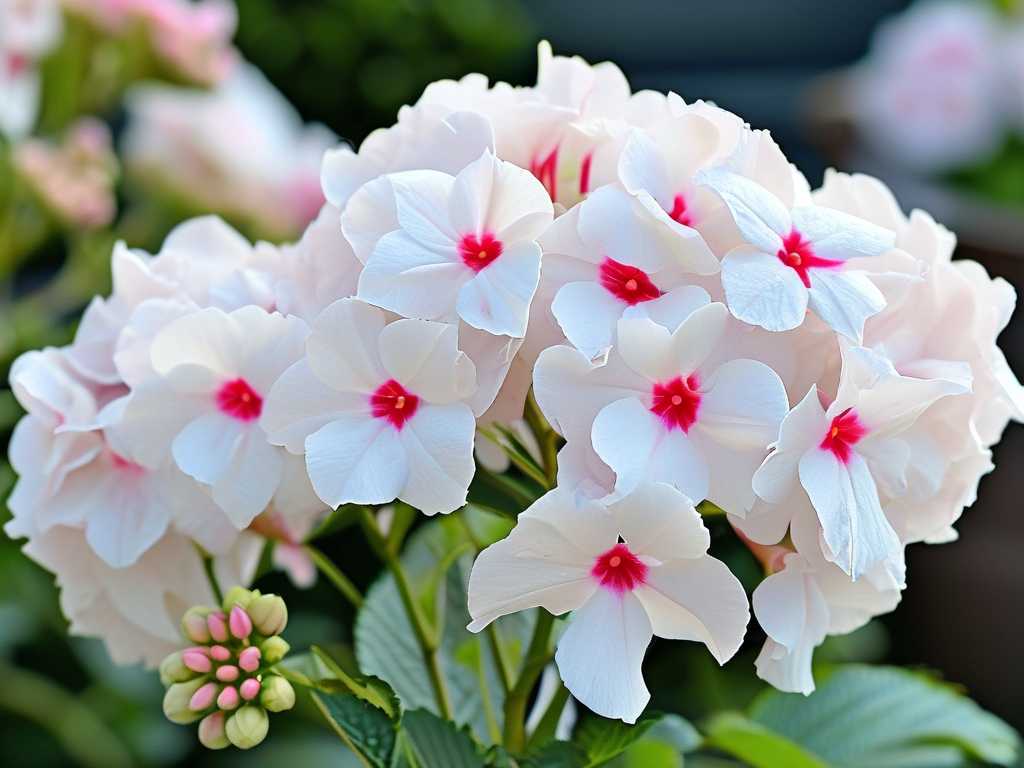
The most critical lesson, and my biggest initial mistake, is that pink and blue hydrangeas (Hydrangea macrophylla) are like living pH test strips for your soil. Their flower color is directly influenced by aluminum availability, which is controlled by soil acidity. White hydrangeas, however, are the rebels; their color is genetically set and won’t change. This isn’t just gardening folklore. The Royal Horticultural Society (RHS) clearly states that for Hydrangea macrophylla, “blue flowers are produced in acidic soils (pH 5.5 and lower) and pink in alkaline soils (pH 6.5 and higher).” My pink hydrangea was turning pale because my naturally acidic soil was leaching the pink pigment away.
My Two-Week Soil Test and Adjustment Experiment
I decided to get scientific. I purchased a simple soil pH test kit. My garden soil tested at a pH of 5.8 – on the acidic side, explaining my struggling pink bloom. Here was my step-by-step process over two weeks:
Week 1: Assessment and Initial Amendment I cleared a circle of mulch around the base of my pink hydrangea. Following American Horticultural Society (AHS) guidelines for safely raising pH, I gently worked a handful of garden lime into the soil surface, being careful not to disturb the shallow roots. I then gave it a deep watering to help the lime begin to dissolve and move into the root zone. For my white ‘Annabelle’ (a paniculata type), I did nothing but observe. This is a key point: white hydrangeas don’t need this soil meddling.
The First Week’s Observation: For the first 4-5 days, nothing visible happened. This is normal, as soil chemistry changes slowly. I kept both plants evenly watered. By day 7, I noticed the pink hydrangea’s newest leaves looked slightly perkier, a sign it was appreciating the shift in nutrient availability. The white hydrangea continued its steady growth, unfazed.
Week 2: Monitoring and Avoiding Pitfalls I resisted the urge to add more lime—a common over-correction mistake I’ve made before. Over-alkalizing can lock up essential nutrients and cause more problems. I simply continued regular watering, ensuring neither plant dried out, as hydrangeas are famously thirsty. I also applied a balanced, slow-release fertilizer (10-10-10) to both, as general health supports better blooming.
The Two-Week Result: After 14 days, the change wasn’t dramatic, but it was definitive. The existing blooms on my pink hydrangea hadn’t magically turned darker pink (existing flowers won’t change), but the plant’s overall vigor improved. More importantly, the new flower buds forming looked noticeably deeper in color. The white hydrangea produced several new, pure white panicles. The experiment confirmed that targeted soil care for pink hydrangeas works, while white ones simply need good foundational care.
Sunlight and Positioning: Not All Hydrangeas Want the Same Spot
Another pitfall I encountered was sun exposure. I initially planted both in what I thought was “partial shade.” My pink ‘Endless Summer’ (a bigleaf variety) developed crispy leaf edges during a hot afternoon. The white ‘Annabelle’, however, handled it better but produced smaller flowers.
- Caring for Pink Hydrangeas (Bigleaf/Mophead): These varieties, which include most pink and blue types, truly need morning sun and afternoon shade. Their leaves scorch easily. I had to transplant my pink hydrangea to a spot shielded from harsh 2 PM sun. The difference was like night and day—lush foliage and larger blooms followed.
- Caring for White Hydrangeas (Paniculata or Arborescens): Varieties like ‘Annabelle’ (arborescens) or ‘Limelight’ (paniculata) are much more sun-tolerant. They can handle, and even prefer, several hours of direct sun to produce their strongest stems and most abundant flower heads. My white hydrangea now gets about 6 hours of sun and has never looked better.
This aligns with expert advice. The RHS recommends “shelter from cold, drying winds” for bigleaf hydrangeas, while noting paniculata types are “more tolerant of sun and drought.”
Watering and Feeding: Consistency is King
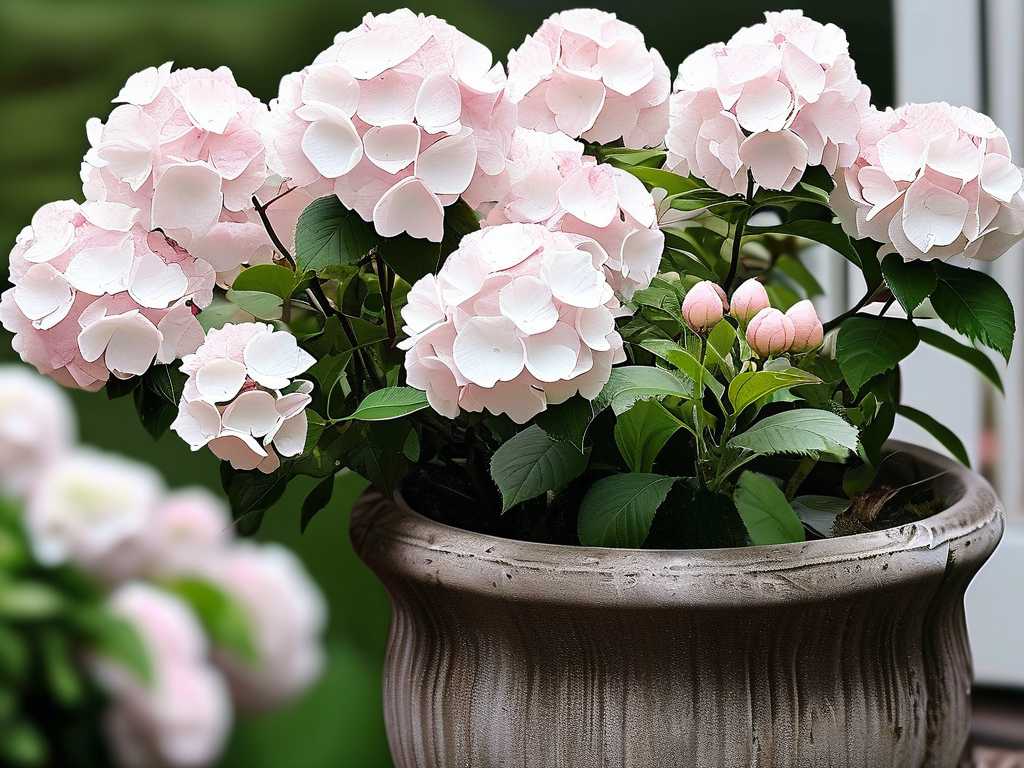
The common thread for both types is water. Hydrangeas are water hogs. I installed a simple drip irrigation line on a timer to provide consistent, deep watering 3 times a week during dry spells. Inconsistent watering leads to immediate wilting in both types and can cause bud drop in pink bigleaf varieties.
For feeding, I use a different approach:
- Pink Hydrangeas: I now use a fertilizer higher in phosphorus (the middle number on the bag, like 10-20-10) to encourage blooming. In spring, I also re-test the soil and apply a light maintenance dose of lime if needed to maintain the slightly alkaline conditions for pink flowers.
- White Hydrangeas: I stick with a balanced, all-purpose fertilizer or one slightly higher in nitrogen to support their vigorous leafy growth and large flower production. Soil pH manipulation is completely unnecessary.
Pruning: The Most Common Mistake of All
This is where I made my most costly error. I pruned my pink hydrangea in late fall, just like my white one. The next summer, it had almost no flowers. Why? Because most pink-flowering bigleaf hydrangeas bloom on “old wood” – flower buds are set the previous summer. Pruning at the wrong time removes these buds. My white ‘Annabelle’, which blooms on “new wood” (current season’s growth), didn’t care and bloomed profusely.
- Pruning Pink Hydrangeas: Prune immediately after the flowers fade in summer. This gives the plant time to set new buds for next year. If you need to shape it, do it then. Deadheading spent blooms is safe anytime.
- Pruning White Hydrangeas (New-Wood Bloomers): These can be pruned in late winter or early spring before new growth starts. I often cut my ‘Annabelle’ back by about one-third to encourage sturdy stems that won’t flop under the weight of those massive white blooms.
Frequently Asked Questions
Can I turn my white hydrangea pink or blue? No, absolutely not. White hydrangea varieties lack the pigment molecule (delphinidin) that reacts to soil aluminum. You cannot change their color through soil pH. They will remain white regardless of your soil conditions.
I followed the soil advice, but my pink hydrangea is still not a vibrant color. What’s wrong? Patience and water are key. It can take a full growing season or more for a significant color shift to manifest in new blooms. Also, ensure your plant is getting adequate phosphorus, which helps with bloom development, and consistent moisture. Extreme drought or poor health will lead to washed-out colors regardless of pH.
Why are the leaves on my pink hydrangea turning yellow with green veins? This is likely chlorosis, often caused by iron deficiency. Ironically, in soils that are too alkaline (which you’ve created for pink flowers), iron can become unavailable. The fix is to apply chelated iron to the soil or as a foliar spray. It’s a delicate balance—maintaining alkalinity for color while ensuring micronutrients like iron are accessible.
Caring for hydrangeas becomes a simple, rewarding practice once you move beyond a one-size-fits-all approach. The journey with my pink and white hydrangeas taught me to see them as individuals with distinct personalities. By understanding the soil science behind pink hydrangea color, respecting their specific light needs, mastering the timing of the pruning shears, and providing unwavering consistency with water, you can unlock the full potential of these garden showstoppers. Start with a soil test—it’s the most insightful first step you can take. Your thriving, colorful blooms will be the best reward for your tailored care.