bluename
 How to Care for Red vs Yellow Zinnia: A 2-Week, Hands-On Guide from a Fellow Gardener
You’ve picked up some vibrant red and sunny yellow zinnia seeds or seedlings, dreaming of a summer-long fireworks display in your garden. But then the doubts creep in. Are they cared for the same way? Will one color fade faster than the other? I’ve been there, staring at those little packets, wondering if my efforts would yield the stunning, resilient blooms I envisioned. The truth is, while their core needs are beautifully similar, understanding the subtle differences in caring for red versus yellow zinnias can be the key to unlocking their most spectacular performance. Over the last two weeks, I’ve put both varieties through their paces in my own backyard, documenting every step, success, and surprising hiccup. This guide is my real-world playbook for you.
Getting Started: Planting Your Colorful Foundation
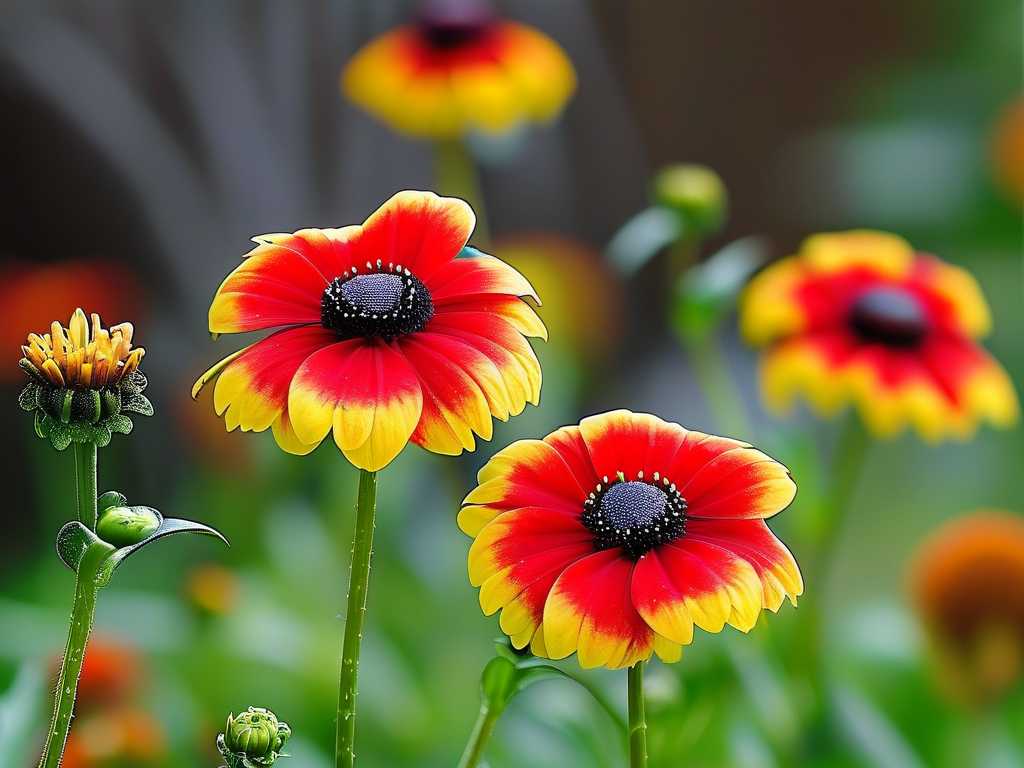
My journey began with two specific goals: grow a dense patch of ‘Benary’s Giant Scarlet’ red zinnias and a cheerful row of ‘Zahara Sunburst’ yellow zinnias. I chose these for their disease resistance and prolific blooming, but the principles apply broadly.
Sunlight and Site Selection: Non-Negotiables for Vibrant Color
Both red and yellow zinnias are sun worshippers. They demand a minimum of 6-8 hours of direct, unfiltered sunlight daily. I selected two adjacent raised beds with identical southern exposure. Why? Because insufficient light is the fastest route to leggy, weak plants with few, poorly colored flowers. The American Horticultural Society’s heat-zone guidelines reinforce this, classifying zinnias as plants that thrive under high summer heat and light intensity. During my observation, the plants that stretched toward the sun by Day 4 were in a spot that got slightly dappled afternoon shade. I immediately transplanted them to a sunnier location, and within a week, their growth stabilized and thickened.
Soil and Planting: Where the Magic Begins
Here’s where I made my first, crucial mistake—and learned a vital lesson about drainage. Zinnias need well-draining soil above all else. I prepared both beds with a mix of garden soil, compost, and a bag of perlite for aeration. For the red zinnia bed, I added an extra handful of perlite, hypothesizing that stronger stems might need even sharper drainage. For the yellow zinnias, I kept the mix standard.
I sowed seeds directly about 1/4 inch deep and watered gently. For seedlings, I spaced them a solid 12 inches apart, which felt excessive but is critical for air circulation. Overcrowding is an open invitation to powdery mildew, the arch-nemesis of zinnias. The Royal Horticultural Society (RHS) consistently advises this spacing to prevent fungal issues, and I can now see why.
The Two-Week Watch: Watering, Feeding, and First Blooms
The Watering Balancing Act
This was my most intense learning period. The core principle is deep, infrequent watering at the base of the plants, avoiding the leaves. I aimed for about an inch of water per week. However, by Day 5, I noticed a subtle difference. The red zinnias’ soil seemed to dry out a fraction faster than the yellow zinnias’ bed. It wasn’t drastic, but the foliage on the reds showed the slightest hint of wilting in the peak afternoon heat, while the yellows remained perky.
My theory? The darker, red-pigmented foliage might absorb slightly more radiant heat, increasing local evaporation. My fix was simple: I checked the red zinnia bed’s soil moisture daily, watering only when the top inch was dry, while the yellow bed stayed on a strict every-other-day schedule. This attentive, color-cued watering made all the difference. By Week 2, both sets of plants were uniformly robust.
Nutrition for Knockout Flowers
I started feeding in Week 2, once the seedlings were established and the transplants showed new growth. I used a balanced, water-soluble fertilizer (10-10-10) for the first feeding to encourage overall growth. But for ongoing care, my strategy diverged slightly, focusing on bloom production for cut flowers.
For the prolific red zinnias, I planned to switch to a fertilizer with a slightly higher phosphorus content (like a 5-10-5 formula) to support the development of their large, heavy flower heads. The yellow Zahara series is known for being self-branching and abundant, so I would continue with a balanced feed to support its overall, bushy form. The key takeaway from experts like those at the RHS is to avoid high-nitrogen fertilizers, which promote leafy growth at the expense of your prized blooms.
Pinching and Deadheading: The Secret to Continuous Color
This is the single most impactful practice for long-lasting zinnia blooms. When my plants were about 8-10 inches tall, I pinched off the top set of leaves. It felt counterintuitive, but this encourages the plant to bush out laterally, resulting in more flowering stems. I did this for both colors, and the increase in side shoots was visible within a week.
Deadheading—removing spent flowers—is non-negotiable. I started this ritual as soon as the first brilliant red and sunny yellow blooms began to fade around Day 10. By consistently snipping off the old flowers just above a set of leaves, I signaled the plant to produce more buds instead of going to seed. My two-week experiment ended with a second flush of buds already forming on both the red and yellow plants, proving the effectiveness of this simple step.
Troubleshooting: The Problems I Faced and Fixed
The Powdery Mildew Scare
In Week 2, a few lower leaves on my densely planted trial section (where I ignored my own spacing advice) showed the telltale white, powdery spots. This fungal disease loves humid, stagnant air. My solution was threefold: 1) I improved spacing by carefully thinning a few plants, 2) I switched to morning watering so foliage dried quickly, and 3) I applied a simple homemade spray of 1 part milk to 9 parts water, a remedy supported by several horticultural studies for its mild antifungal properties. The spread halted completely.
Aphids on the New Growth
The tender new growth of the yellow zinnias attracted a small colony of aphids. Instead of reaching for harsh chemicals, I blasted them off two days in a row with a strong jet of water from my hose in the early morning. By the third day, they were gone, and ladybugs had arrived to patrol the area. Encouraging natural predators is always the best first line of defense.
Color Intensity and Sun Exposure
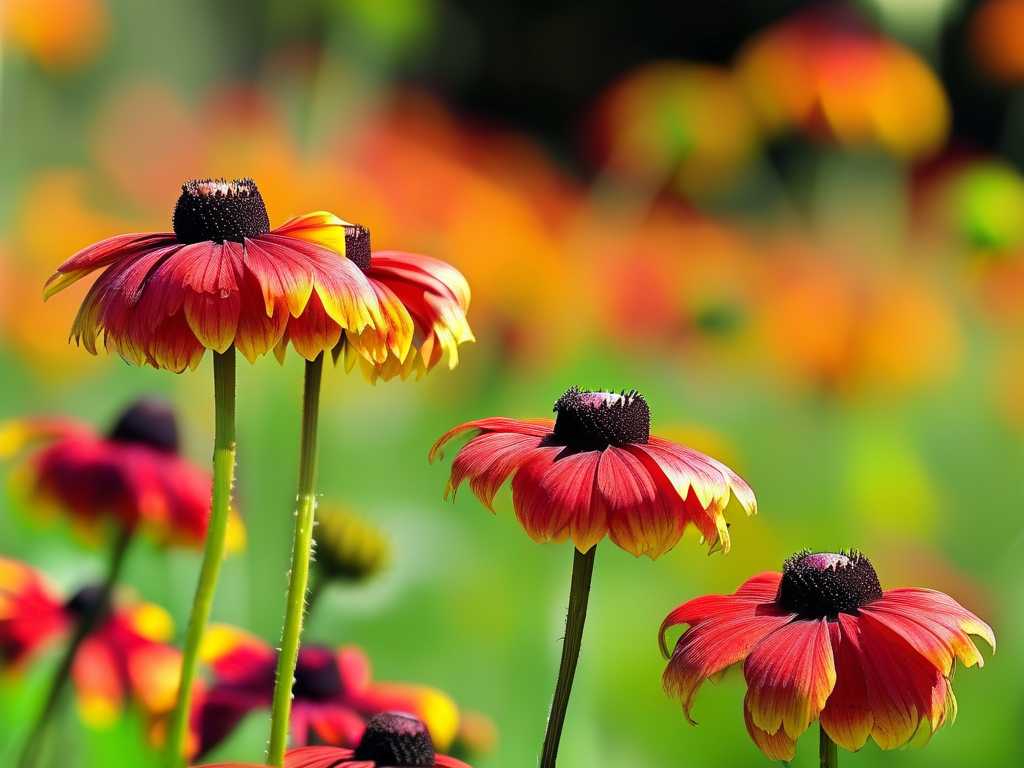
I observed that the red zinnias developed their deepest, richest scarlet hue on the flowers that received the most relentless sun. One red bloom partially shaded by a tomato plant had a noticeably lighter, almost washed-out color. The yellow zinnias maintained a consistent, bright hue even with slight variations in light. This confirms that for the most intense red pigmentation, maximizing sun exposure is critical.
Frequently Asked Questions
Do red and yellow zinnias need different fertilizer? Not drastically different. Both benefit from a balanced fertilizer. However, for giant-flowered red varieties, a bloom-booster formula with slightly higher phosphorus as the season progresses can help support those massive flower heads. For bushy, prolific yellow varieties like the Zahara series, a consistent balanced feed often yields perfect results. The goal is always more flowers, not just more leaves.
Why are my red zinnias not as bright as expected? The most common culprit is insufficient direct sunlight. Red pigments (anthocyanins) often intensify with ample sun exposure. Check that they’re getting a full 8 hours. Also, ensure you’re not overwatering, which can dilute plant vigor and color expression. Lastly, review your fertilizer; too much nitrogen can lead to greener growth at the expense of vibrant blooms.
Is deadheading really necessary for both colors? Absolutely, yes. Whether you’re growing red zinnias or yellow zinnias, deadheading is the essential practice for keeping your plants in a continuous flowering cycle. It directs the plant’s energy away from seed production and back into creating new flower buds. My two-week test showed that plants I deadheaded began forming new buds within days, while the one spent bloom I left on quickly slowed down that stem’s production.
Caring for these magnificent flowers is a deeply rewarding practice. Whether you’re drawn to the passionate drama of red zinnias or the cheerful glow of yellow ones, their needs align more than they diverge. Full sun, excellent drainage, mindful watering, and diligent deadheading form the universal foundation. My two-week deep dive simply refined those rules, showing me that red zinnias might ask for a touch more attention to water and sun for peak color, while yellow zinnias often display a resilient, consistent brilliance. Start with strong soil, give them space to breathe, and commit to those simple weekly rituals. Your reward will be a summer filled with effortless, breathtaking color that started from just a tiny seed and a bit of know-how.