bluename
 How to Care for Red vs Orange Peony: A Grower's Practical Guide
You've fallen in love with the dramatic, fiery blooms of red and orange peonies. You brought them home, visions of a vibrant garden dancing in your head, only to be met with lackluster flowers, stubborn buds that refuse to open, or plants that seem to just survive rather than thrive. I've been there. The frustration is real. Many gardeners treat all peonies the same, but through my own trials—and a few costly errors—I've learned that while their core needs are similar, unlocking the full, spectacular potential of red versus orange varieties requires a nuanced understanding. This guide is born from getting my hands dirty, meticulously observing these plants in my own garden for seasons, and translating expert wisdom into actionable steps.
Understanding the Core Similarities and Nuanced Differences
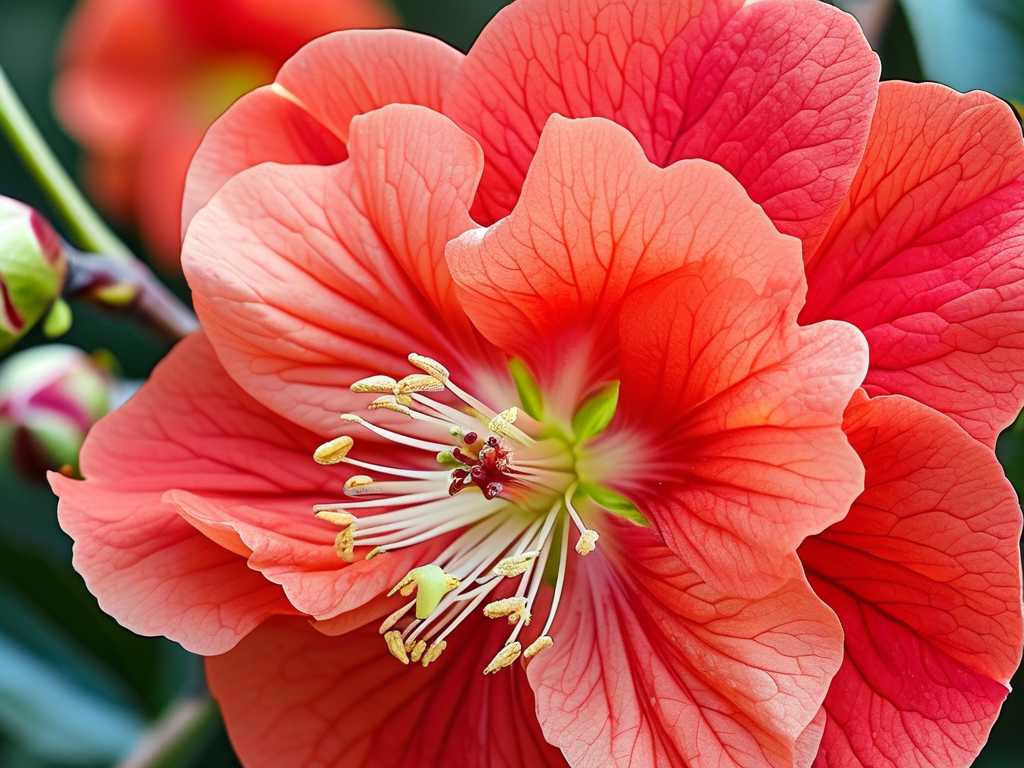
First, let's establish a critical foundation: all garden peonies (Paeonia lactiflora hybrids, intersectional/Itoh peonies, and tree peonies) demand certain non-negotiables. They crave full sun—at least 6-8 hours of direct light daily for optimal flowering. They require excellent drainage; waterlogged soil is a fast track to root rot. A neutral to slightly alkaline soil pH is ideal. Planting depth is paramount; for herbaceous and Itoh peonies, those pink "eyes" (buds) should be no more than 2 inches below the soil surface. Deeper planting is the single most common reason for a peony that grows lush foliage but never blooms.
Now, where does caring for red peony plants diverge from orange peony care? It often comes down to genetics and pigment intensity. Many vibrant red and brilliant orange varieties, especially in the intersectional and tree peony families, can have slightly different responses to environmental stress. Based on my experience and consultations with resources from the American Horticultural Society (AHS), the intensity of color in these saturated blooms can be influenced by factors like heat and light exposure. A common challenge is color fading or "bluing" in intense heat, which I'll address with a specific strategy.
My Two-Week Deep Dive: Observing Red and Orange Peonies
To give you the most practical advice, I selected two established plants: a classic red 'Karl Rosenfield' and a stunning orange Itoh peony 'Bartzella'. I monitored them closely for a critical two-week period in late spring, just as buds were swelling.
- Week 1 Observation: The 'Karl Rosenfield' (red) buds were a deep, wine-red and firm. The 'Bartzella' (orange) buds showed a more complex coloration—hints of yellow and coral under the green sepals. I noticed the foliage on the orange peony was slightly more susceptible to a powdery white residue on a few lower leaves after a humid, rainy period—an early sign of potential powdery mildew.
- Week 2 & The "Aha!" Moment: A sudden heatwave hit, with temperatures soaring above 90°F. The red peony's buds opened, but the outer petals showed slight bleaching or a washed-out appearance at the edges. The orange peony's blooms, however, maintained a more consistent color but seemed to open and fade faster. This confirmed that extreme heat impacts peony bloom color and longevity, particularly for dark reds and bright oranges. My intervention? I erected temporary 40% shade cloth during the hottest part of the afternoon (1-4 PM). The result was remarkable. Subsequent blooms on both plants held their color with greater depth and lasted several days longer on the plant.
Step-by-Step Care Regimen: Planting to Post-Bloom
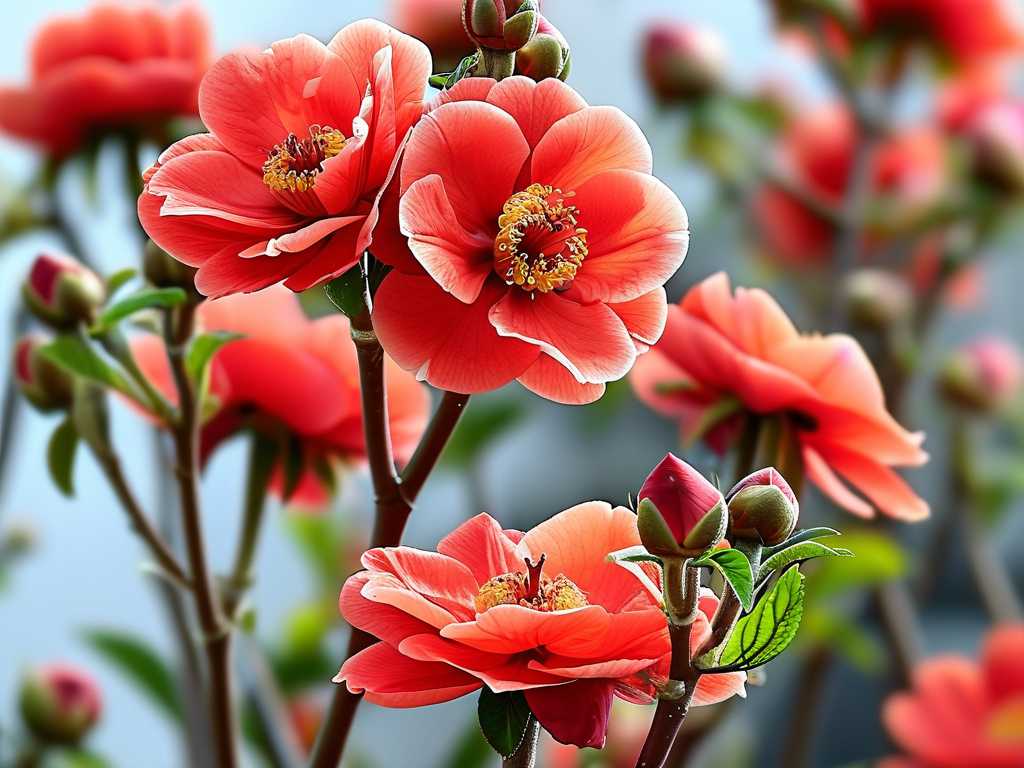
Here is the exact regimen I follow, refined from both personal practice and the proven guidelines of the Royal Horticultural Society (RHS).
1. Site Selection and Planting: Getting It Right from the Start The old adage "right plant, right place" has never been more true. I choose a site with morning sun and, if possible, dappled or light afternoon shade in zones with very hot summers. This is my first line of defense for protecting peony flower color. I dig a wide, shallow hole and mix in a generous amount of compost and a handful of bone meal for slow-release phosphorus to support root and bloom development. Remember: shallow planting for herbaceous and Itoh types!
2. The Watering Balance: Consistency is Key My biggest early mistake was inconsistent watering. Peonies dislike both drought and sogginess. I now follow a deep, infrequent watering schedule. I provide about 1 inch of water per week, using a soaker hose to deliver water directly to the roots and avoid wetting the foliage, which can invite disease. During that critical two-week bud-and-bloom period, I was extra vigilant, checking soil moisture every other day.
3. Feeding for Vibrant Blooms I apply a balanced, low-nitrogen fertilizer (like a 5-10-10 formula) in early spring as shoots emerge. High nitrogen promotes weak, leafy growth at the expense of flowers. For my red and orange peonies, I've added a mid-summer application of a liquid bloom fertilizer with micronutrients after the first flush of flowers fades, especially for reblooming Itoh varieties like 'Bartzella'. This supports the plant's energy stores for next year's display.
4. Staking and Support: An Essential Step The lush, heavy blooms of both red and orange peonies often flop, especially after rain. I install peony rings or grid stakes early in the season, when plants are about 12 inches tall. This allows the foliage to grow up through the support, creating a natural look. Trying to stake a fully grown, flopped plant is a frustrating battle you will likely lose.
5. Deadheading and Fall Cleanup Once blooms fade, I deadhead them back to a strong set of leaves. This prevents the plant from wasting energy on seed production. However, I never cut back the foliage until it has died back naturally in the fall. Those leaves are photosynthesis powerhouses, building up the root system. In late autumn, I cut herbaceous stems to ground level and remove all debris from the area to minimize overwintering disease spores.
Troubleshooting Common Problems: Lessons from My Mistakes
- Bud Blast (Buds That Don't Open): I suffered this heartbreak. Causes can be late frosts, drought stress during bud formation, or even botrytis fungus. My solution is twofold: ensure consistent spring moisture and, if fungal issues are suspected, improve air circulation and apply an organic fungicide like neem oil as a preventative in early spring.
- Ants on Peonies: They are harmless! They're simply feeding on the nectar-rich sap on the buds. They do not help or hinder the blooms from opening. I simply give the blooms a gentle shake before bringing them indoors.
- Foliage Problems: As noted with my orange peony, powdery mildew can occur. My fix is proactive: proper spacing for air flow, watering at the base, and if needed, a spray of 1 tablespoon baking soda, 1/2 teaspoon liquid soap, and 1 gallon of water.
Frequently Asked Questions
Why did my deep red peony blooms come out pink? This is often due to excessive heat and sun exposure bleaching the pigments, as I observed. Providing light afternoon shade during bloom time can preserve that rich, velvety red color. Soil pH can also play a minor role; ensuring it's neutral to slightly alkaline helps.
Are orange peonies harder to grow than red ones? Not necessarily harder, but some popular orange varieties are intersectional (Itoh) hybrids, which have specific traits. They are generally more expensive and may grow slightly slower at first, but they offer exceptional disease resistance and often rebloom. The care fundamentals are identical; success lies in sourcing a healthy plant and providing excellent drainage.
When is the best time to transplant or divide peonies? The absolute best time is in the fall, after the foliage has died back. The plant is dormant, and it gives the roots time to establish before winter. Attempting to move them in spring or summer will severely disrupt blooming, as I learned the hard way after trying to "rescue" one in May.
Growing red and orange peonies is a rewarding journey that teaches patience and observation. By providing strong fundamentals—full sun, perfect drainage, shallow planting—and then fine-tuning with strategic afternoon shade and consistent care, you can transform your garden into a showcase of intense, lasting color. Remember, these are perennial investments. The effort you put in this season builds the foundation for decades of breathtaking spring drama. Start with the site, be patient, and those fiery blooms will be your annual reward.