bluename
 How to Fix the Leaf Tip Browning Problem of Irises After Repotting
I’ve been there. You’ve just given your beloved iris a fresh start in a new pot, expecting a burst of growth, only to be met with the disheartening sight of crispy, brown leaf tips. It’s a common frustration that can make any plant lover worry. As someone who has nurtured irises for years, I’ve faced this exact leaf tip browning problem of irises after repotting more times than I’d like to admit. But through trial, error, and careful observation, I’ve cracked the code on what causes it and, more importantly, how to fix it for good. This guide is born from my hands-on experience, detailing the precise steps I took over a critical two-week period to nurse my repotted irises back to vibrant health.
Understanding why this browning happens is the first step to fixing it. Repotting is a significant stress event for a plant. The American Iris Society (AIS) notes that while irises are generally tough, their rhizomes and root systems are sensitive to disturbance and changes in their environment. The browning leaf tips are rarely a single-issue problem; they’re usually a distress signal pointing to a combination of factors related to transplant shock, moisture imbalance, or soil conditions. My goal here is to walk you through a systematic diagnosis and recovery plan, sharing both my successes and the pitfalls I encountered along the way.
Diagnosing the Cause: It’s More Than Just Water
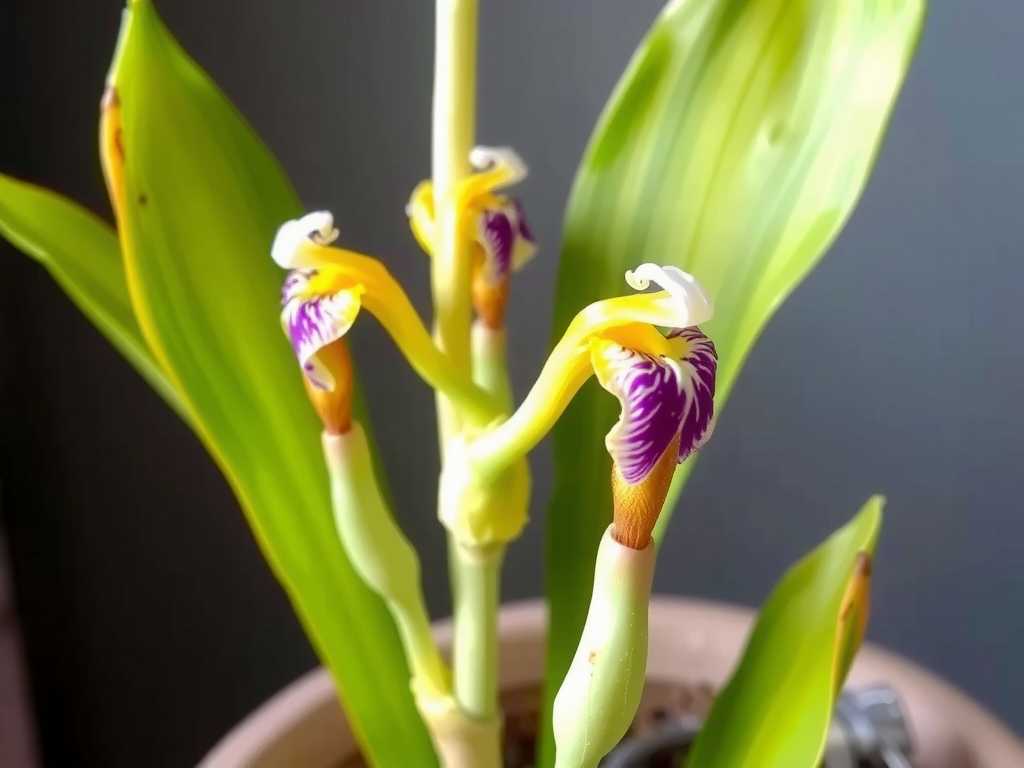
Before you can treat the problem, you need to play plant detective. I learned that assuming it was just "underwatering" led me to make the situation worse with one of my first affected plants. Here are the key culprits I identified through research and direct observation.
Transplant Shock and Root Disturbance When you unpot an iris, you inevitably damage some of the delicate feeder roots. These roots are responsible for uptaking water and nutrients. The Royal Horticultural Society (RHS) advises minimizing root disturbance during division and repotting for this very reason. A damaged root system simply can’t supply enough moisture to the entire leaf, especially the tips, which are the farthest points. The plant prioritizes survival, letting the leaf tips die back. In my case, I was too rough during the process, tearing rather than gently teasing the roots apart. This set the stage for the browning I saw within days.
Improper Watering Practices Post-Repotting This is where I made my biggest mistake. After repotting, I fell into the classic trap of both overwatering and underwatering—sometimes almost simultaneously. Fresh potting mix can be deceptive. While the top feels dry, the bottom around the disturbed roots may be soggy, leading to rot that further hampers water uptake. Conversely, new, loose soil can drain too quickly, leaving the roots thirsty. I realized I wasn’t checking the soil moisture properly; I was just following a calendar schedule, which is a recipe for failure. The key long-tail phrase here is proper watering after repotting irises, and it’s absolutely critical.
Soil and Drainage Issues Irises demand exceptionally well-draining soil. Their rhizomes despise sitting in moisture. If your new potting mix is too heavy, retains too much water, or if the pot lacks adequate drainage holes, you’re creating a hostile environment. I once used a generic all-purpose mix, and the browning was severe and rapid. The soil stayed wet for days, suffocating the roots and directly causing the leaf tips to burn and die back.
My 2-Week Recovery Protocol: A Step-by-Step Journey
When I noticed the browning on my latest batch of repotted ‘Immortality’ bearded irises, I committed to a careful, documented recovery process. Here’s exactly what I did.
Week 1: Assessment and Immediate Correction
Day 1-2: The Initial Triage The browning was present on about 60% of the fans. My first action was to resist the urge to drench the pot. Instead, I gently inserted my finger deep into the soil near the rhizome. It felt cool and moderately damp about two inches down. This told me the issue wasn’t immediate thirst. I then carefully lifted the pot—it was heavy. My diagnosis pointed to slight overwatering in a soil mix that wasn’t draining optimally. I moved the pot to a location with bright, indirect light and excellent air circulation, shielding it from harsh afternoon sun to reduce moisture loss stress on the leaves.
Day 3-5: Strategic Watering and Foliage Care I held off on watering entirely for these three days, allowing the soil to dry out more thoroughly. Using clean, sharp scissors, I sanitized them with rubbing alcohol and trimmed off the browned portions of the leaves. I made angled cuts to mimic the natural leaf shape, removing only the damaged tissue. This wasn’t just cosmetic; it helped the plant redirect energy and allowed me to monitor if the browning was progressing. I also misted the foliage lightly in the early morning to provide slight humidity without wetting the soil.
Day 6-7: The Deep Soil Check and First Water By day six, the pot felt significantly lighter. I performed a deep check with a moisture meter (a simple wooden chopstick works too—if it comes out clean, it’s dry). The reading was at the lower end of "moist." This was my window. I watered the plant thoroughly but slowly, using room-temperature water. I poured until water ran freely from the drainage holes, ensuring the entire root ball was hydrated. I then let it drain completely on a rack, never letting it sit in a saucer of water. This was my first application of the correct irises repotting care technique focused on deep, infrequent watering.
Week 2: Monitoring, Adjustment, and Signs of Hope
Day 8-10: Observing the Response The critical waiting period. I checked daily for any new browning. I was relieved to see that the browning had completely halted. The remaining green foliage looked firm and perky. However, the plant wasn’t showing new growth yet, which was expected. The focus was on stabilization. I kept up with the good air circulation and light.
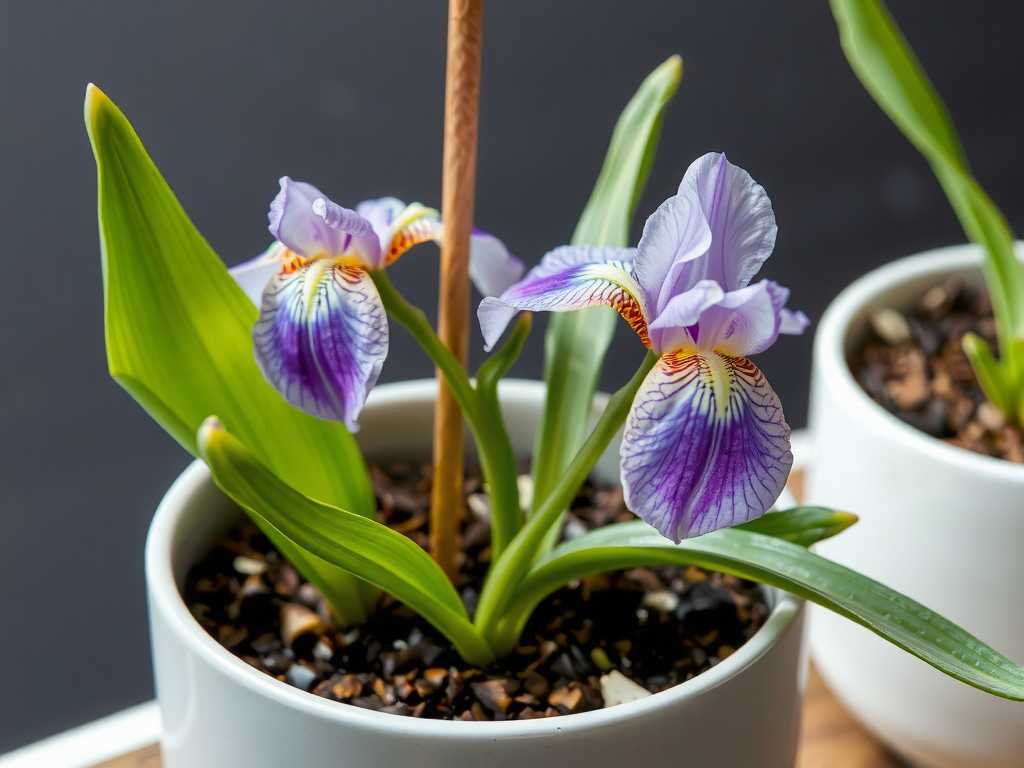
Day 11-14: Introducing a Gentle Boost and Final Evaluation Confident that the crisis was contained, I considered a mild nutrient boost. The American Iris Society cautions against fertilizing newly divided or repotted irises immediately, as salts can burn compromised roots. On day 12, I applied a very diluted, balanced liquid fertilizer (at 1/4 strength) with my watering. This provided a minimal support without risk. By the end of the second week, not only was there no new browning, but I also spotted the very beginnings of a new, healthy leaf spike emerging from the center of one fan. This was the clear sign my recovery protocol was working.
The Pitfalls I Encountered and How You Can Avoid Them
My journey wasn’t perfectly smooth. Here are the mistakes I made so you can skip them.
The Overwatering Panic Trap: Initially, seeing dry leaf tips, I assumed the plant was thirsty and watered it more. This compounded the root stress in the already damp soil. Lesson learned: Always check soil moisture physically before reaching for the watering can.
Ignoring Soil Composition: Using a cheap, dense potting mix was a foundational error. I now always create a custom mix for potted irises: two parts quality potting soil, one part coarse sand or perlite, and one part compost. This ensures the fast drainage irises crave and prevents browning leaves on repotted plants.
Trimming Too Aggressively: In my early attempts, I would cut entire leaves back to the base. This removes the plant’s ability to photosynthesize and recover. Lesson learned: Only remove the clearly dead, brown tissue.
Will repotting shock always cause leaf tip browning? Not always. If the repotting is done with minimal root disturbance, in the right season (late summer for bearded irises), and followed by perfect watering, you can avoid it. Browning is a sign that the plant’s water uptake has been impaired, which is common but not inevitable.
How long does it take for an iris to recover from repotting stress? You should see the browning halt within 7-10 days if corrective measures are right. Full recovery, evidenced by firm, green leaves and new growth, typically takes 2-4 weeks. Patience is essential during this period.
Should I fertilize my iris right after repotting to help it recover? Absolutely not. This is a common mistake. Fertilizer salts can damage sensitive, recovering roots and will worsen stress. Wait until you see clear signs of new growth, usually 3-4 weeks post-repotting, before applying a diluted, balanced fertilizer.
Seeing those brown leaf tips can be alarming, but it’s a solvable problem. The health of your iris hinges on understanding the post-repotting environment: impeccable drainage, strategic watering, and patient observation. By treating the root cause—not just the symptom—you give your plant the best chance to settle into its new home and thrive. My two-week recovery turned a struggling iris into a resilient one, and by following these hands-tested steps, you can achieve the same lush, green results. Remember, sometimes the best action is a careful and informed pause.