bluename
 The Ultimate Guide to Pruning Geraniums After Repotting: My Step-by-Step Journey to Lush Growth
I’ve been there. You’ve just carefully repotted your beloved geranium, giving its roots fresh, nutrient-rich soil and a new home. You sit back, expecting a burst of gratitude in the form of vibrant growth, only to be met with... sluggishness. Leaves might droop, flowering stalls, and the plant just looks tired. The culprit often isn’t the repotting itself, but what we fail to do afterward: the correct pruning work for geraniums. It’s the critical follow-up act that redirects the plant’s energy from shock recovery to vigorous new growth. Many enthusiasts skip this step or do it incorrectly, costing the plant its potential. After a recent repotting session with my own collection, I committed to a precise post-repot pruning method and documented the results over two weeks. Here’s exactly what I did, what I learned from my mistakes, and how you can transform your repotted geranium into a fuller, healthier, and more floriferous specimen.
Why Pruning After Repotting is Non-Negotiable
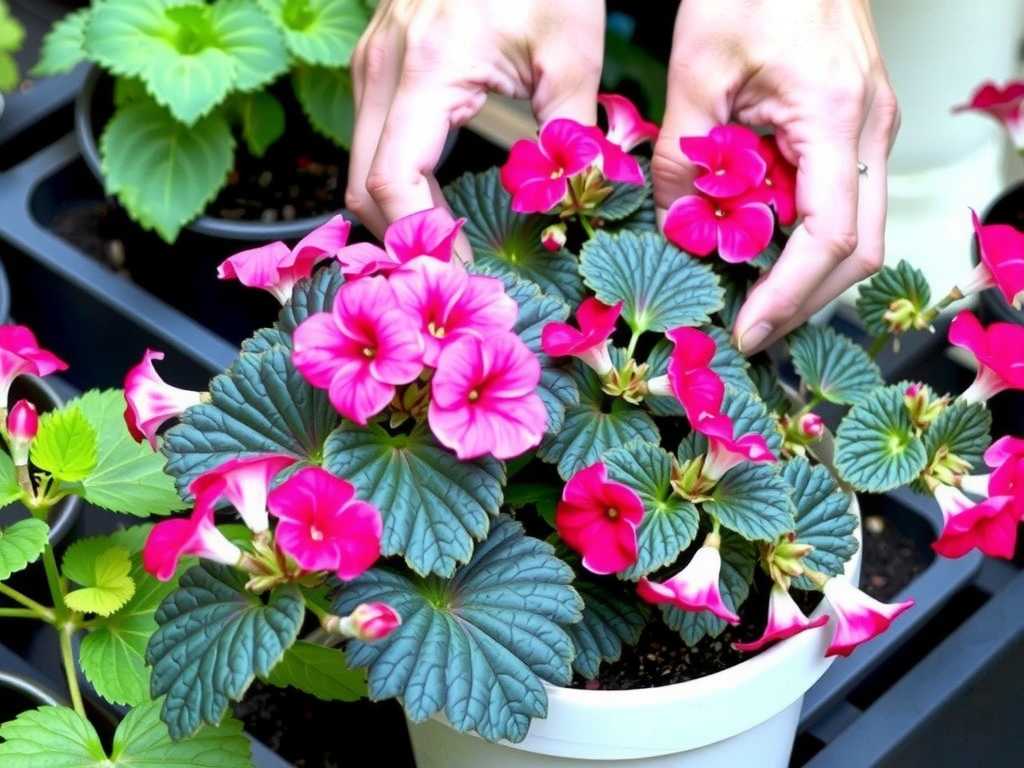
Think of repotting as minor surgery for the plant. Even when done gently, roots are disturbed. The plant’s immediate priority is to re-establish its root system in the new soil. If it’s also trying to support long, leggy stems, excessive foliage, or spent blooms, its energy is divided and diluted. Pruning alleviates this burden. According to the Royal Horticultural Society (RHS), pruning geraniums (Pelargoniums) after processes like repotting encourages bushier growth and prevents them from becoming woody and sparse at the base. It’s not just about cutting back; it’s about strategic energy management. The American Horticultural Society Academy (AHSA) notes that timely pruning improves air circulation, reducing the risk of fungal diseases that can exploit a stressed plant. This initial strategic cut sets the stage for everything that follows.
My Toolkit for Successful Post-Repot Pruning
Before making a single cut, gathering the right tools is essential for clean, healthy cuts that heal quickly.
- Sharp, Clean Pruners: I use bypass pruners, which make a clean cut like scissors. Blunt or dirty tools can crush stems and introduce pathogens. I disinfect mine with rubbing alcohol before starting.
- A Clean Workspace: I lay down newspaper for easy cleanup.
- Disposal Bag: For the removed foliage.
- Optional Rooting Hormone: If I plan to propagate the cuttings, I have this on hand.
My Step-by-Step Process for Pruning Geraniums After Repotting
I performed this process on a mature zonal geranium that had become leggy over the winter. It had just been moved to a pot 2 inches larger in diameter with fresh, well-draining potting mix.
Step 1: The Initial Assessment and Strategic Cut I didn’t prune immediately after repotting. I gave the plant about 48 hours to settle, keeping it in a shaded, sheltered spot. Then, I evaluated its shape. My goal was to reduce its overall size by about one-third to one-half, focusing on encouraging new growth from lower nodes. I started by identifying and removing any clearly dead, yellowing, or damaged stems and leaves, cutting them back to the base or main stem. This clears the clutter.
Step 2: Encouraging Bushiness Through Stem Pruning This is the core of how to prune geraniums after repotting for bushier growth. I looked for long, leggy stems. For each, I traced it down to a point just above a leaf node (the small bump where leaves emerge) that faced outward, away from the plant’s center. Making my cut at a 45-degree angle about 1/4 inch above that node, I removed the top portion of the stem. This outward-facing node is crucial—it directs the new growth outward, creating an open, vase-shaped plant that allows light and air into its center. I repeated this for all primary leggy stems.
Step 3: Pinching for Density For stems that were already shorter but I wanted to be denser, I used the pinching technique. Using my thumb and forefinger, I simply pinched off the very tip of the growing shoot, just above a set of small leaves. This removes the apical meristem (the dominant central growing point), which signals the plant to send energy to the lateral buds below, causing them to sprout. This is a fantastic method for creating a fuller plant silhouette.
Step 4: The Final Clean-Up and Aftercare After the major cuts, I removed any remaining spent flower stalks or individual dead leaves. I ensured no leaves were touching the soil surface, as this can lead to rot. My final act was a thorough but gentle watering, ensuring the new soil was evenly moist but not soggy. I placed the pruned and repotted geranium in a location with very bright, indirect light, avoiding harsh direct sun for about a week to prevent additional stress while it healed.
The Two-Week Observation: A Transformation Unfolds
This is where the proof emerged. I monitored the plant daily.
- Days 1-3: The plant looked a bit stark, which is normal post-pruning. No signs of wilt or shock beyond the initial "haircut" look.
- Days 4-7: This was the most exciting phase. Tiny, bright green buds began to swell at the leaf nodes just below my cuts—precisely where I had directed the energy. The pinched tips showed tiny new pairs of leaves emerging.
- Days 8-14: Growth accelerated. Those tiny buds developed into proper new stems with leaves. The plant’s overall form was visibly bushier and more compact than before the prune. By the end of the second week, it was clear the plant had fully redirected its energy from root establishment to producing vigorous new vegetative growth. It was lush, balanced, and clearly thriving.
The Pitfall I Encountered and How I Fixed It
In my enthusiasm during one session, I made a classic error: over-pruning geraniums after repotting. On one plant, I cut back nearly two-thirds of the foliage, being overly aggressive in my quest for bushiness. The plant went into severe shock; remaining leaves wilted dramatically, and growth completely stalled for over a week.
The Solution: I immediately moved the over-pruned plant to a consistently warm, humid, and low-light environment (a makeshift humidity dome using a clear plastic bag, kept out of direct sun). I was extremely careful with watering, only moistening the soil when it was dry an inch down to avoid root rot. I resisted the urge to fertilize, as stressed roots cannot absorb nutrients. Patience was key. After about 10 days, it showed signs of very slow recovery with one new tiny shoot. This taught me the vital lesson of moderation—never removing more than 50% of the plant’s foliage at once, especially when it’s already stressed from repotting.
Optimizing the Process for Different Geranium Types
While the core principles remain, slight adjustments can be made.
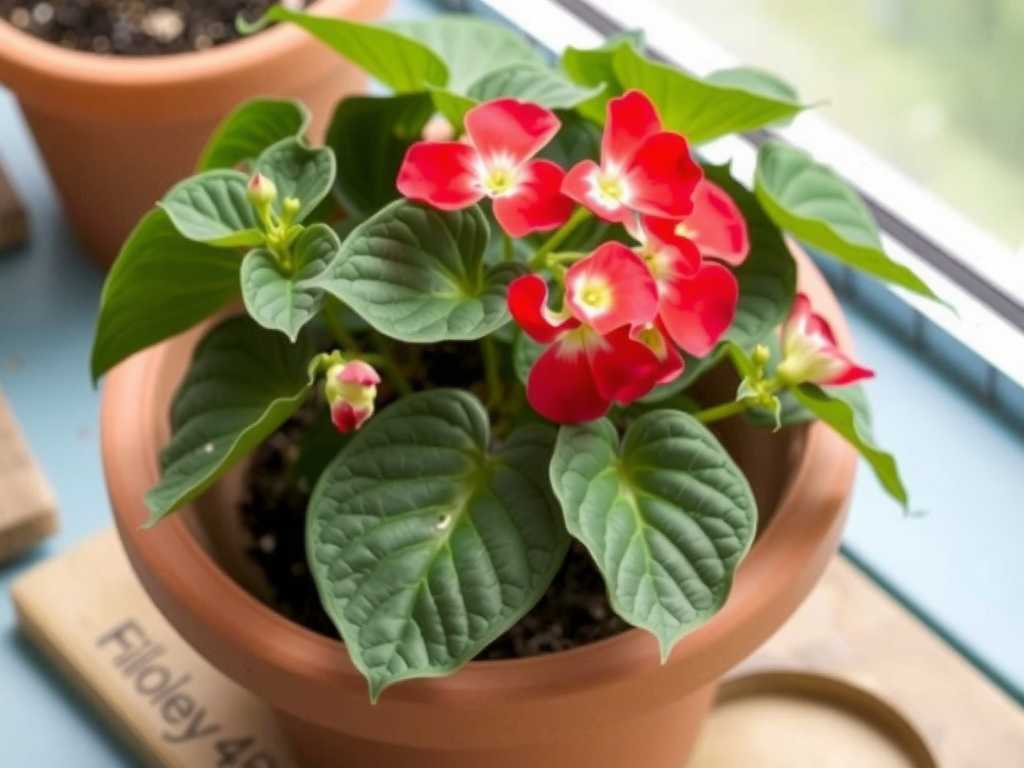
- Zonal Geraniums: The process described above is perfect for these. They respond vigorously to this pruning method.
- Ivy Geraniums: I focus more on pinching back the long, trailing vines to encourage branching along their length, rather than just cutting them short. This maintains their cascading habit while making them fuller.
- Regal/Martha Washington Geraniums: I am more conservative. I primarily remove spent blooms and dead material after repotting, and only lightly tip-prune to shape, as hard pruning can negatively impact their bloom cycle.
Frequently Asked Questions
Can I use the cuttings to grow new plants? Absolutely. This is one of the best perks! Let the cuttings callous over for a few hours, then dip the end in rooting hormone and plant them in a moist, soilless potting mix. Keep them in bright, indirect light. Most will root in 2-4 weeks, giving you clones of your favorite plant.
When should I fertilize after pruning and repotting? Wait. Fresh potting mix often contains slow-release fertilizer. More importantly, the roots need time to heal. I wait at least 3-4 weeks, until I see consistent new growth, before applying a half-strength balanced liquid fertilizer.
My pruned geranium isn’t sprouting new growth. What’s wrong? First, check your light and temperature. Geraniums need warmth and plenty of light to push new growth. Ensure it’s not sitting in cold drafts or deep shade. Second, review your pruning cuts. Are they above viable leaf nodes? If you cut into old, woody stem with no nodes, new growth may not emerge. Finally, be patient. Some plants take a little longer, especially if they were heavily stressed. As long as the stems are green and firm, there’s hope.
Pruning after repotting might seem counterintuitive, but it’s the compassionate strategy that ensures your geranium doesn’t just survive the transition but uses it as a springboard for spectacular growth. By strategically reducing the plant’s top burden, you align its efforts with root recovery, resulting in a resilient, shapely, and productive plant. My two-week experiment confirmed that this simple, thoughtful practice bridges the gap between the stress of repotting and the promise of a thriving garden centerpiece. Grab your clean pruners, assess your plant with confidence, and make those strategic cuts. Your geranium will thank you with a cascade of green and a profusion of color in the seasons to come.