bluename
 How to Care for Common Carnation Varieties? Practical Care Methods
You’ve brought home a beautiful pot of carnations, their ruffled petals and spicy scent promising weeks of vibrant color. But within days, you notice the leaves yellowing, the buds failing to open, or worse, the entire plant starting to droop. This frustrating scenario is all too common for many gardening enthusiasts. The truth is, while carnations are beloved for their longevity as cut flowers, keeping them thriving as potted or garden plants requires understanding their specific needs. Different varieties, from the compact border carnations to the towering florist’s types, have nuanced care requirements. This guide cuts through the confusion, offering clear, actionable steps to ensure your common carnation varieties not only survive but flourish, blooming season after season.
Understanding Your Carnation Type
Before diving into care routines, identifying your carnation is crucial. The term “carnation” broadly covers plants from the Dianthus genus, and their needs can vary.
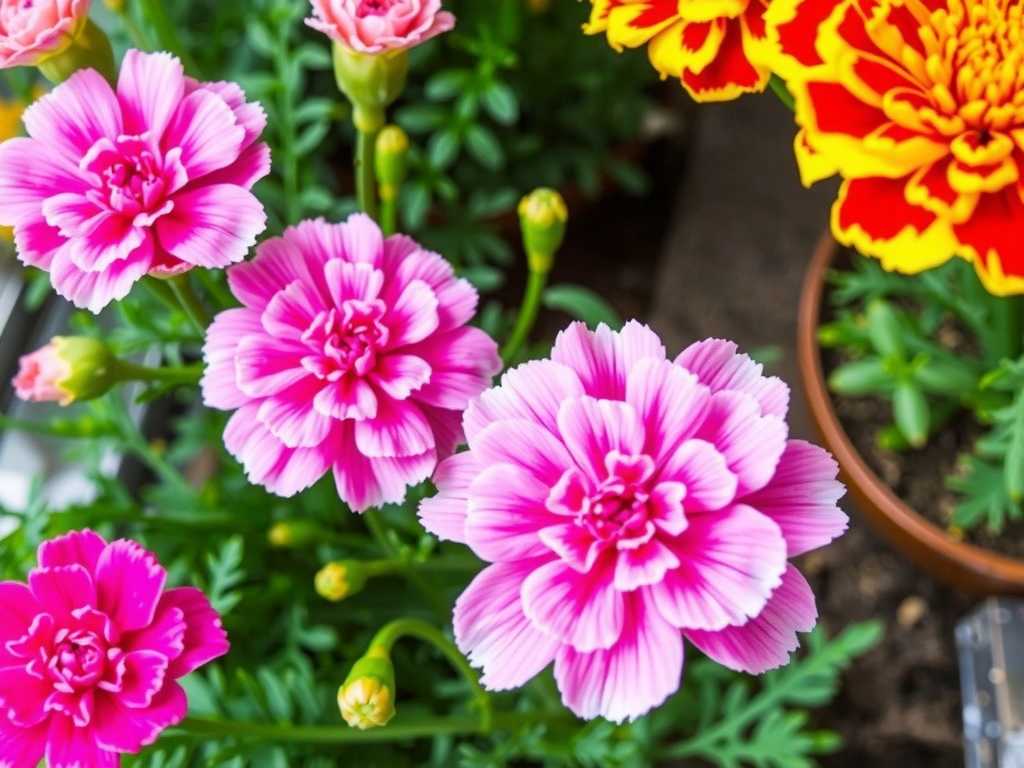
Border Carnations (Dianthus caryophyllus): These are the classic, hardy garden varieties. They form clumps and produce multiple sturdy stems with fragrant flowers. They are perennial in many climates and are the foundation of most outdoor planting.
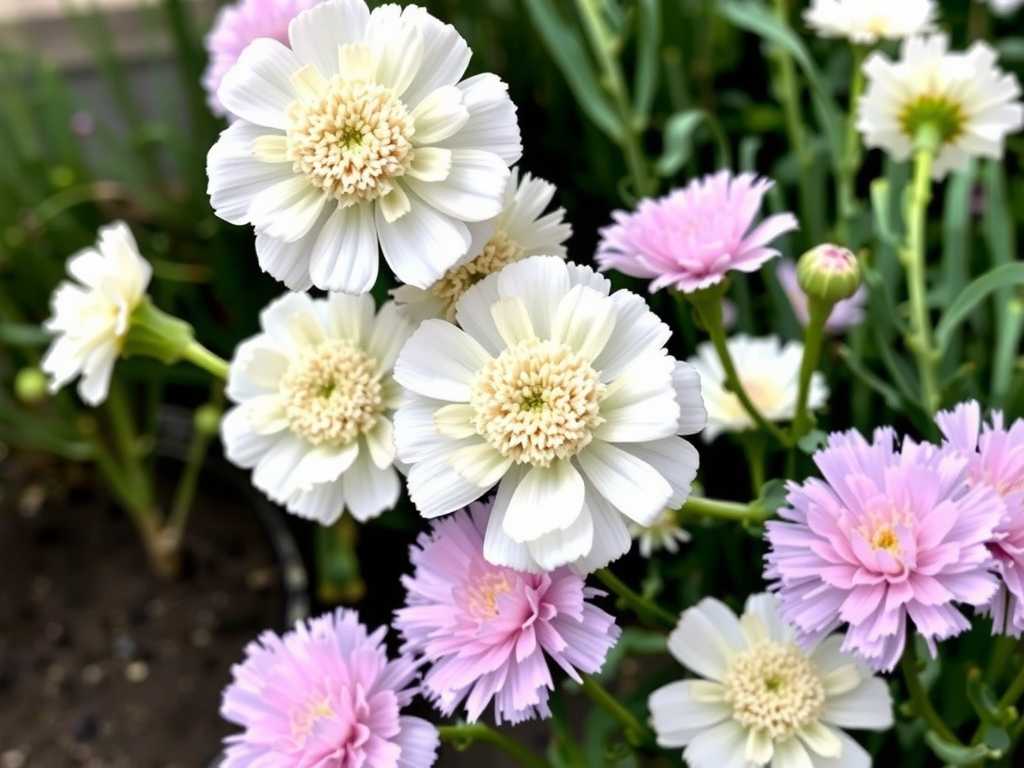
Perpetual-Flowering Carnations: Often grown in greenhouses for the florist trade, these are the large-blossomed types seen in bouquets. They can be grown outdoors in ideal conditions but often require more precise care, including staking due to their tall, heavy flower heads.
Dwarf or Miniature Carnations: Perfect for containers, window boxes, and front-of-border planting. They share the same basic needs as their larger cousins but in a more manageable, compact form.
The Foundation: Perfect Planting and Potting
Success begins with how and where you plant your carnations. They demand excellent drainage above all else. Soggy roots are a death sentence.
For garden beds, choose a sunny location and amend heavy clay soil with generous amounts of compost, coarse sand, or grit to improve drainage. Raised beds are an excellent option. For containers, select a pot with ample drainage holes. Use a high-quality, lightweight potting mix formulated for containers. Many experts, like those at the Royal Horticultural Society, recommend adding a handful of perlite or horticultural grit to standard potting soil to further enhance aeration for carnation roots.
Plant them so the base of the stem is level with the soil surface; planting too deep can encourage stem rot. Space plants according to their variety, typically 10-12 inches apart for borders and dwarfs, to ensure good air circulation.
Essential Daily and Seasonal Care Routines
Once planted, a consistent care routine will keep your carnations healthy and productive.
Light and Temperature Requirements Carnations are sun worshippers. They require a minimum of 4-6 hours of direct sunlight daily, with 6+ hours being ideal for maximum blooms. Insufficient light leads to leggy growth and few flowers. They prefer moderate temperatures and thrive in the 60-70°F (15-21°C) range. Most perennial varieties are cold-hardy but benefit from a light mulch in winter for root protection in colder zones.
Watering Wisdom: The “Soak and Dry” Method Overwatering is the most common mistake. The goal is to keep the soil lightly moist, not wet. Water deeply when the top inch of soil feels dry to the touch, then allow the soil to approach dryness again before the next watering. Always water at the base of the plant, avoiding wetting the foliage, which can invite fungal diseases. Reduce watering frequency significantly during the winter dormant period.
Feeding for Fabulous Flowers Carnations are not heavy feeders but benefit from balanced nutrition. At planting time, incorporate a slow-release granular fertilizer into the soil. During the active growing and blooming season (spring through summer), feed every 4-6 weeks with a balanced, water-soluble fertilizer (e.g., 10-10-10) or one slightly higher in potassium to promote flowering. As noted in a recent horticulture report, excessive nitrogen can lead to lush foliage at the expense of blooms, so moderation is key.
Pruning and Deadheading for Continuous Blooms This is the secret to a long blooming season. Regularly deadhead spent flowers by pinching or snipping the flower stem back to the nearest set of leaves. This prevents the plant from putting energy into seed production and encourages it to send out new flowering shoots. After the main flush of blooms, you can cut back the entire plant by about one-third to promote a bushier shape and potential fall flowers.
Advanced Care: Propagation and Troubleshooting
To keep your carnations going year after year, propagation is a valuable skill. The most reliable method for perennial varieties is taking stem cuttings in late spring or early summer. Select a non-flowering shoot, cut a 4-6 inch piece, remove the lower leaves, and dip the end in rooting hormone. Plant in a pot of moist, sandy compost. Keep it in bright, indirect light and lightly moist until roots develop.
Even with perfect care, issues can arise. Here’s how to tackle common problems:
Yellowing Leaves: Often a sign of overwatering or poor drainage. Check soil moisture and ensure the pot or bed drains freely. Could also indicate a nitrogen deficiency. Bud Blast (Buds Dry Up Without Opening): Typically caused by sudden environmental stress—extreme temperature shifts, underwatering, or thrips infestation. Fungal Diseases (Powdery Mildew, Rust): Promote good air circulation, avoid overhead watering, and remove affected leaves promptly. Fungicidal sprays may be needed in severe cases. Pests (Aphids, Spider Mites): A strong spray of water can dislodge mild infestations. For persistent problems, use insecticidal soap or neem oil, applying thoroughly to the undersides of leaves.
Bringing It All Together
Caring for common carnation varieties is a rewarding practice that blends attentive routine with simple seasonal tasks. By providing them with the non-negotiable essentials—plentiful sun, perfect drainage, and careful watering—you set the stage for success. Coupled with regular feeding and diligent deadheading, you’ll transform your carnations from short-lived novelties into enduring garden performers. Whether edging a path, brightening a patio pot, or providing cuttings for indoor vases, these timeless flowers repay your practical care with their distinctive charm and fragrance.
What is the best way to overwinter my outdoor carnations? In most climates, apply a 2-inch layer of loose mulch (like straw or bark chips) around the base of the plants after the first hard frost to protect the roots. Avoid covering the crown of the plant. For potted carnations in very cold regions, move the pot to a sheltered, unheated garage or cold frame.
Why are my carnation stems getting long and floppy? This is usually caused by insufficient sunlight. Carnations stretch toward the light when they don’t get enough direct sun. Ensure they receive at least 6 hours of direct exposure. For tall perpetual varieties, staking with a discreet support ring is often necessary.
Can I grow florist-type carnations from a store-bought bouquet? While the cut flower stems are unlikely to root, you can sometimes propagate them from side shoots or “suckers.” Look for small, leafy side shoots at the base of the flower stem. Carefully remove one with a sharp knife, and treat it as a cutting, planting it in a moist, sandy mix to encourage rooting. Success is not guaranteed, as these flowers are often treated with preservatives, but it’s a fun experiment.