bluename
 How to Care for 3 Major Chrysanthemum Types? Core Cultivation Tips
Are your chrysanthemums failing to bloom as spectacularly as you hoped? Perhaps the leaves are yellowing, or the plant looks leggy and weak. Many gardeners struggle with chrysanthemum care because they treat all mums the same. The truth is, different types have unique needs. Understanding how to care for the three major chrysanthemum types is the key to unlocking a breathtaking autumn display. This guide will walk you through the specific cultivation tips for each, ensuring you provide the right environment for vibrant, healthy blooms.
Understanding Your Chrysanthemum: The Three Main Categories
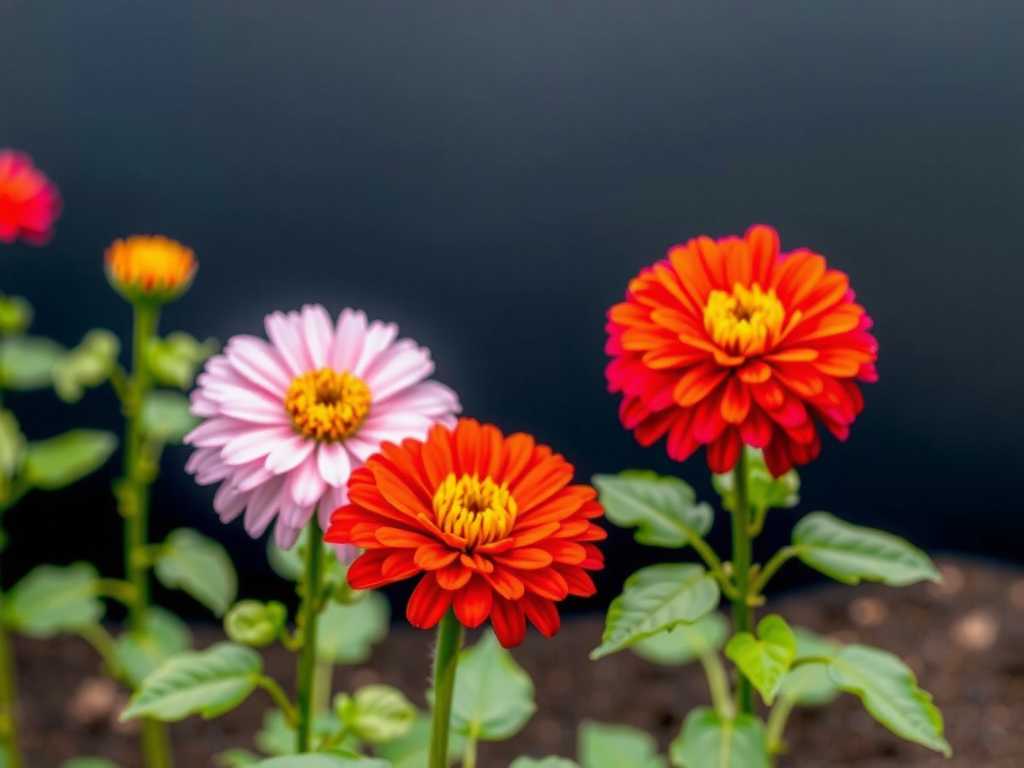
Before diving into care, identifying your mum type is crucial. Chrysanthemums are broadly classified by their growth habit and flowering cycle, which dictates their care regimen.
1. Garden (Hardy) Chrysanthemums These are the classic, resilient mums sold in pots each fall. They are typically "short-day" plants, meaning they initiate buds as daylight hours shorten in late summer. Bred for hardiness, they can often survive winters in the ground with proper protection, returning year after year as perennials.
2. Florist (Show) Chrysanthemums You'll find these in floral arrangements. They are often grown in greenhouses with precise light and temperature control to produce perfectly formed, large blooms on straight stems. While stunning, they are generally more tender and treated as annuals or indoor plants, as their energy is focused on a single, spectacular display rather than winter survival.
3. Spray or Cascade Chrysanthemums This type produces a multitude of smaller flowers on branching stems, creating a full, bushy appearance. They are popular for container gardening and hanging baskets (cascade types). Their care balances the needs of the hardy and florist types, requiring good pinching to encourage that prolific branching habit.
Essential Care Tips for All Chrysanthemum Types
Regardless of type, some universal principles apply to ensure your mums thrive.
- Sunlight is Non-Negotiable: Chrysanthemums are sun worshippers. They require a minimum of 6 hours of direct sunlight daily. More sun leads to stronger stems, more abundant buds, and richer flower color. Insufficient light is a primary cause of leggy growth and poor flowering.
- The Goldilocks Zone for Watering: Consistent moisture is key, but "wet feet" will cause root rot. Water deeply when the top inch of soil feels dry, allowing excess water to drain freely. According to the Royal Horticultural Society, morning watering is ideal, as it allows foliage to dry, reducing the risk of fungal diseases.
- Soil and Feeding for Success: Well-draining soil is paramount. Amend heavy clay with compost. For nutrients, use a balanced fertilizer (like a 5-10-5 formula) early in the growing season to fuel leaf and stem growth. As noted by horticulturist Dr. Linda Chalker-Scott, switching to a fertilizer higher in phosphorus (the middle number) as buds form in late summer promotes better blooming.
Tailored Cultivation: A Guide for Each Type
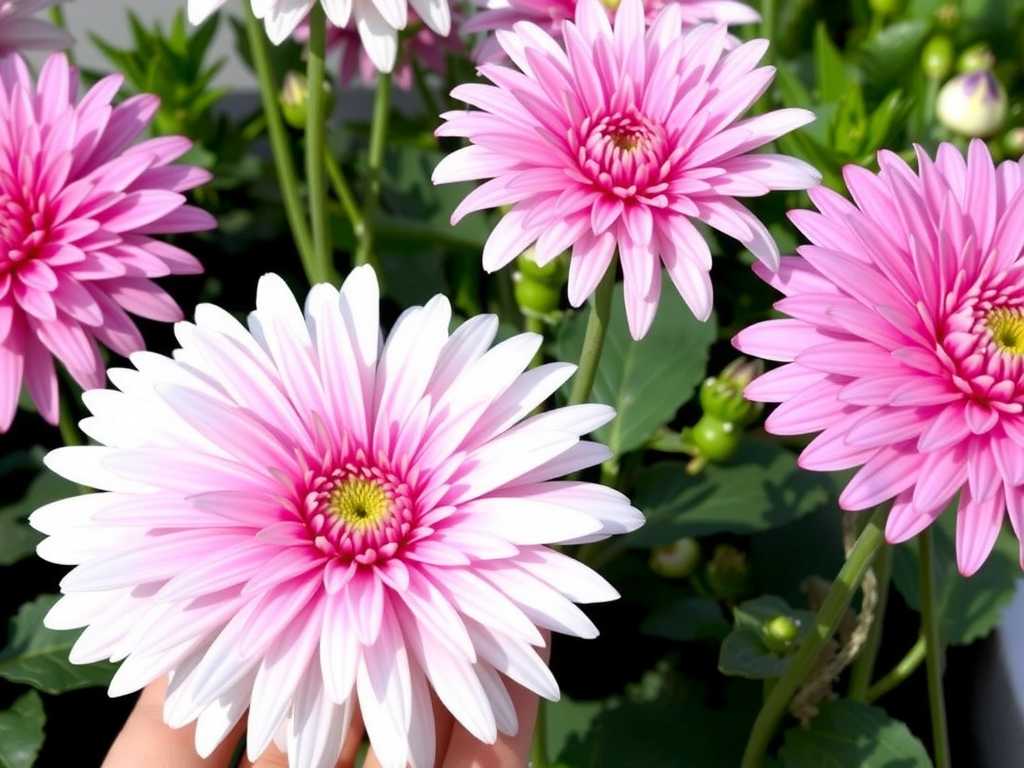
Now, let's break down the specific care strategies for each major category.
Caring for Hardy Garden Mums for Perennial Success
The goal here is not just one season of color, but a plant that returns vigorously each year.
- Planting for Longevity: If purchased in fall, plant them in the ground at least 6 weeks before the first hard frost so roots can establish. For spring planting, this gives them the best chance to acclimate. Space plants 18-24 inches apart for good air circulation.
- The Pinching Secret: This is the most critical step for bushy, bloom-heavy plants. From late spring to early July, use your fingers to pinch off the top 1-2 inches of every stem. Do this every 2-3 weeks. This forces the plant to branch out, creating a sturdy, compact form with far more flowering sites. Stop pinching around mid-July to allow flower buds to set.
- Winter Protection Strategy: After the first hard frost blackens the foliage, cut stems back to 4-6 inches above the ground. Apply a 4-6 inch layer of mulch (like straw or shredded leaves) over the crown. This insulates the roots from freeze-thaw cycles. Remove the mulch gradually in spring as new growth appears.
Nurturing Florist or Show Mums for Maximum Impact
With these, the aim is a flawless, single-season performance.
- Container and Indoor Focus: These mums are best kept in their pots. Use them as stunning seasonal decor. Outdoors, place them in a sheltered spot with brilliant morning sun. They can be brought indoors to enjoy, but place them in a very bright, cool location away from heating vents.
- Staking and Disbudding for Perfection: To achieve those massive, dinner-plate blooms, growers often practice "disbudding." This involves removing all the small side buds along a stem, leaving only the dominant terminal bud to channel all the plant's energy into one magnificent flower. Staking is usually necessary to support the heavy bloom.
- Post-Bloom Consideration: After flowering, these plants are often exhausted. While you can attempt to plant them outdoors in mild climates, their complex genetics make them less likely to survive as hardy perennials. Many gardeners compost them after enjoying the display.
Growing Prolific Spray and Cascade Chrysanthemums
These mums are all about creating a lush, colorful mass.
- Encouraging the Spray Habit: Like garden mums, pinching is essential. Regular pinching until mid-summer creates the dense network of branches that will each produce a spray of flowers. For cascade types trained in hanging baskets, this pinching and training of stems over the basket edge is how the dramatic trailing effect is achieved.
- Ideal Uses and Placement: Their natural shape makes them perfect for patio containers, border fronts, and window boxes. They provide excellent "fill" in garden beds. Ensure they have ample space and sunlight to maintain their form.
- Overwintering Options: Spray mums can be more tender than hardy garden types. In colder zones (below USDA Zone 5), treat them as annuals or dig them up, pot them, and overwinter in a cool, dark, frost-free place like a garage, watering sparingly.
Troubleshooting Common Chrysanthemum Problems
Even with great care, issues can arise. Early detection is key.
- Pests: Watch for aphids, spider mites, and leaf miners. A strong spray of water or insecticidal soap usually manages them. Encourage beneficial insects like ladybugs.
- Diseases: Fungal issues like powdery mildew (a white film on leaves) and rust (orange spots) occur with poor air circulation and wet foliage. Improve spacing, water at the base, and remove affected leaves. A fungicide may be needed in severe cases.
- Leggy Growth and Few Blooms: This almost always points to insufficient sunlight. Re-locate the plant if possible. Lack of pinching is another common cause for a sparse, tall plant.
Answers to Your Top Chrysanthemum Questions
Why did my potted fall mum die over the winter? Potted mums, especially those sold in bloom, have their roots highly exposed to cold. The soil in a pot freezes much faster and deeper than ground soil. For a mum to survive winter, its roots need the insulating mass of the earth. Always plant potted mums in the ground well before frost for a chance at perennial growth.
How often should I really water my mums? Forget a fixed schedule. The frequency depends on temperature, sun, and whether it's in a pot or the ground. The "finger test" is your best tool. Insert your finger into the soil up to the first knuckle. If it feels dry, water thoroughly until it runs out the drainage holes. In hot, sunny weather, potted mums may need daily watering.
Can I grow chrysanthemums from seed? While possible, it's uncommon for home gardeners seeking specific flower forms. Most mums are complex hybrids, and seeds will not produce a plant identical to the parent. The reliable methods are purchasing plants, dividing existing clumps in spring, or taking stem cuttings. This ensures you get the color and type you expect.
Mastering chrysanthemum care transforms them from disposable seasonal items into cornerstone plants of the autumn garden. By recognizing whether you have a hardy garden mum, a spectacular florist type, or a prolific spray variety, you can apply the specific techniques—especially strategic pinching and tailored winter care—that meet their needs. Start with ample sunshine and well-drained soil, and your efforts will be rewarded with a resilient, vibrant display that celebrates the season year after year.