bluename
 How to Care for Classic Orchid Varieties? Easy-to-Understand Tips for Beginners
You've just brought home a stunning classic orchid, its elegant blooms promising a touch of sophistication. But within weeks, you might find yourself staring at drooping leaves or, worse, a plant that refuses to flower again. This common frustration is why many beautiful orchids end up discarded. The good news? Caring for classic orchid varieties doesn't require a magic touch, just an understanding of their simple needs. This guide will demystify the process, transforming you from a worried beginner into a confident orchid caretaker.
Understanding Your Classic Orchid
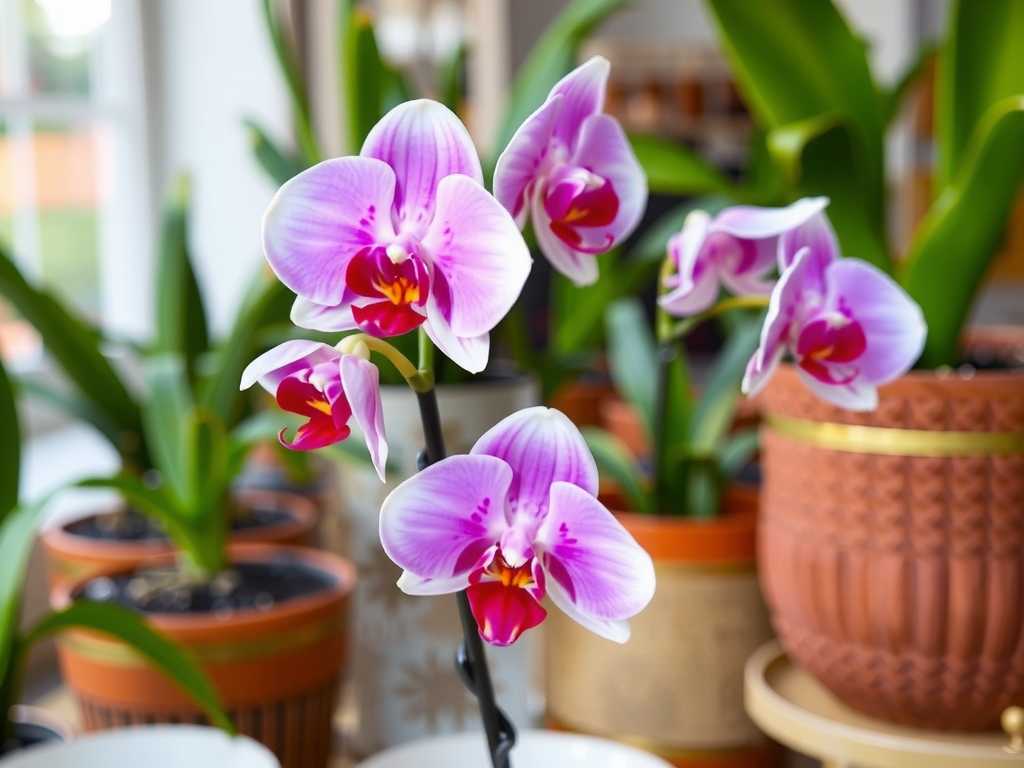
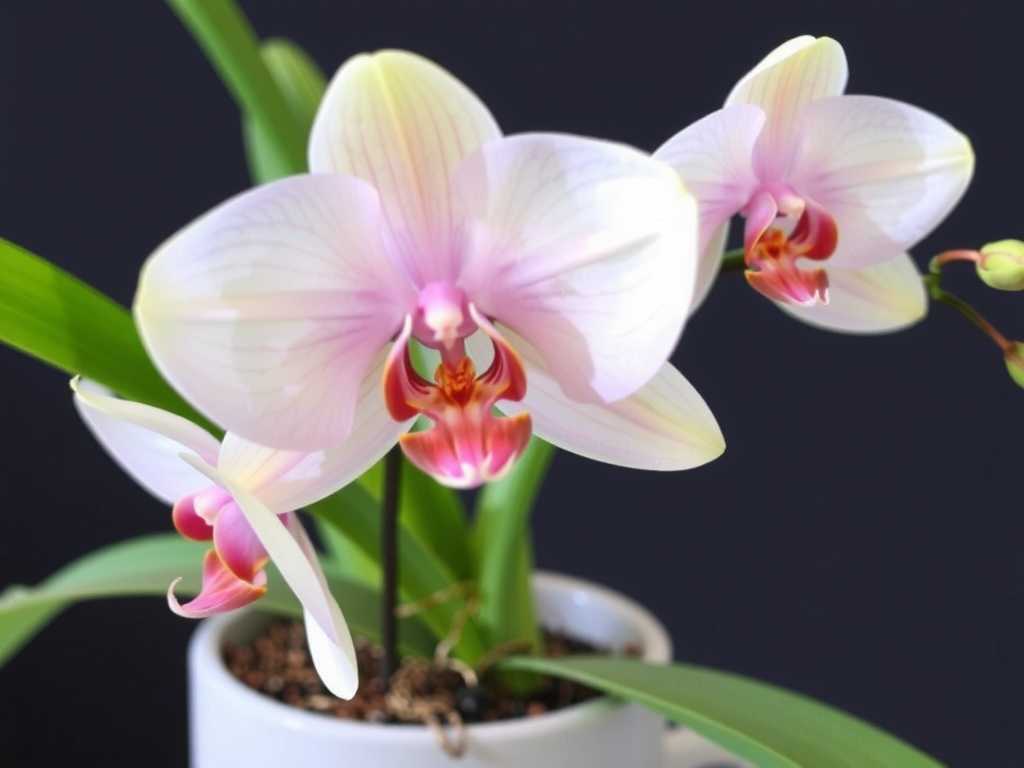
Before diving into care, knowing what you have is crucial. The term "classic orchid varieties" most often refers to the ubiquitous and beloved Phalaenopsis, or Moth Orchid. Renowned for their long-lasting, butterfly-shaped flowers and wide availability, they are the perfect gateway into orchid care. Other classics include the dramatic Cattleya, the cascading Dendrobium, and the uniquely shaped Paphiopedilum (Lady Slipper). While each has subtle preferences, the foundational principles of care are remarkably similar, making this advice broadly applicable. As noted by the American Orchid Society, success starts with mimicking the plant's natural environment as closely as possible.
The Golden Rule: It's All About the Roots
Forget the flowers for a moment; the true health of your orchid is visible in its roots. Most classic orchids are epiphytes, meaning they naturally grow on trees in humid forests, not in soil. Their thick, silvery-green roots are designed to absorb moisture from the air and quickly drain excess water. This is the single most important concept for beginners to grasp. Overwatering and suffocating roots in standard potting soil are the leading causes of orchid failure.
Mastering the Five Pillars of Orchid Care
Light: The Energy Source Orchids need bright, indirect light. Think of the dappled sunlight under a forest canopy. A north or east-facing windowsill is often ideal. For south or west windows, use a sheer curtain to diffuse the intense rays. A good indicator is the leaf color: lush, medium green means perfect light. Dark green leaves suggest need for more light, while reddish or yellowing leaves can signal too much direct sun. Phalaenopsis and Paphiopedilum are more tolerant of lower light, while Cattleya and Dendrobium crave brighter conditions.
Watering: Less is More This is where most beginners stumble. You should water only when the potting mix is nearly dry and the roots appear silvery-white. For a clear plastic pot—highly recommended for beginners—this is easy to see. The classic method is to take the inner pot to the sink and run lukewarm water through the potting mix for about 15-30 seconds, ensuring all roots get wet. Let it drain completely before returning it to its decorative pot. Never let the plant sit in standing water. Frequency varies with climate, but every 7-14 days is a typical range.
Potting Mix and Repotting: Breathability is Key Your orchid will not survive in regular garden soil. It requires a special, chunky, fast-draining mix. Common ingredients include bark chips, sphagnum moss, perlite, and charcoal. A bark-based mix is excellent for beginners as it promotes air flow and prevents rot. Repot every 1-2 years, or when the mix breaks down and becomes soggy. The best time is usually after flowering, when new roots begin to appear. Choose a pot that is only slightly larger than the root ball; orchids prefer to be somewhat snug.
Humidity and Airflow: Mimicking the Tropics Classic orchids thrive in 40-70% humidity, which is higher than most homes. You can increase local humidity by placing the pot on a tray filled with pebbles and water (ensure the pot sits above the water line). Grouping plants together also helps. Equally important is gentle air movement, which prevents fungal and bacterial diseases. A ceiling fan on low or an oscillating fan set at a distance can provide this crucial airflow without creating a draft.
Feeding: Gentle and Regular Orchids are not heavy feeders, but they do need nutrients, especially during active growth. Use a balanced, water-soluble orchid fertilizer (look for a 20-20-20 or similar ratio) and dilute it to half or quarter strength. Apply this "weakly, weekly" during spring and summer, watering with plain water in between to flush out any salt buildup. Reduce feeding in fall and winter when growth slows. As orchid expert Dr. Sarah Matthews advises, "Think of fertilizer as a vitamin supplement, not the main meal. The primary nutrition comes from proper light and water."
Troubleshooting Common Issues
- Yellowing Leaves: Often a sign of overwatering or insufficient light. Check your roots and adjust your routine.
- Wrinkled, Limp Leaves: Usually indicates underwatering or root loss from previous overwatering. Assess the root system.
- No Flowers (Blast): The most common culprit is insufficient light. Other factors include lack of a temperature drop at night (especially for Phalaenopsis) or not enough fertilizer during the growth period.
- Bud Drop: Sudden changes in environment, drafts, or extreme temperatures can cause buds to abort before opening.
Encouraging Reblooming: The Reward
The joy of seeing a new flower spike is unparalleled. For Phalaenopsis, the trigger is often a consistent 10-15 degree Fahrenheit drop between daytime and nighttime temperatures for several weeks in the fall. Once you see a new spike, resume your regular care. Use a stake to support the spike as it grows. For other classic orchid varieties like Cattleya, the reblooming cycle is tied to the growth of new pseudobulbs. Patience is key; orchids operate on their own schedule.
How often should I water my orchid? There's no fixed schedule. The best method is to check the roots and potting mix. If the roots are silvery and the pot feels light, it's likely time to water. In most home environments, this translates to about once a week, but it can vary widely with seasons and home heating/cooling.
Should I cut the flower spike after the blooms fall? For Phalaenopsis, if the spike remains green, you have two choices: cut it back to just above a healthy "node" (the brown rings on the spike) to potentially encourage a secondary bloom, or leave it entirely, as it may sometimes rebloom from the tip. If the spike turns brown and dry, cut it off at the base.
What's the biggest mistake beginners make? Overwatering is the number one killer of orchids. Loving your orchid to death by giving it too much water suffocates the roots, leading to rot. When in doubt, it's always safer to wait another day or two before watering.
Caring for classic orchid varieties is a journey of observation and gentle adjustment. By focusing on providing the right light, mastering a disciplined watering routine, and using an appropriate potting mix, you create the foundation for a thriving plant. Remember that these elegant beauties are more resilient than they appear. Start with a healthy Phalaenopsis, apply these straightforward tips, and you'll soon find the rhythm of care that leads to years of spectacular, rewarding blooms.