bluename
 How to Water Scindapsus Without Root Rot (Pro Tips)
If you want to know how to water Scindapsus without root rot, here's the short answer: let the top 2–3 inches of soil dry out completely, water thoroughly until it drains, and never let the pot sit in standing water. That's it. That's the whole game. I've killed more pothos and Scindapsus than I'd like to admit learning this, and honestly, 90% of indoor plants die from overwatering. Not underwatering. Overwatering. Once that clicked for me, everything changed.
I'm writing this as someone who has lost at least four Scindapsus plants to root rot. Four. The first one was a beautiful Silvery Ann that I drowned in a ceramic pot with no drainage holes. I didn't know any better. The second one I blamed on "bad luck." By the third, I started paying attention. By the fourth, I finally figured out what I was doing wrong.
So let me save you the heartbreak.
Why Scindapsus Is Different (But Not That Different)
Scindapsus — you might know it as Satin Pothos, Silver Philodendron, or just "that pretty trailing plant" — is a tropical epiphyte. In the wild, it climbs trees. Its roots grab onto bark. They get rain, then they dry out. Then they get rain again. That wet-dry cycle is everything.
Most people treat Scindapsus like a regular houseplant. They water on a schedule. Every Sunday, maybe. That's the fastest way to root rot. The plant doesn't care what day it is. It cares about moisture levels in the soil.
The Royal Horticultural Society (RHS) actually notes that most houseplant deaths come from overwatering, not underwatering. Same story from the American Horticultural Society (AHS). They both push the "check the soil before you water" approach. It's not glamorous advice, but it's correct.
The 3 Deadly Mistakes New Growers Make
Mistake #1: Watering Too Often
This is the big one. I used to water my Scindapsus every week because that's what a YouTube video told me. The leaves started turning yellow. I thought, "Maybe it needs more water?" So I watered more. The yellow spread. The stems got mushy. The plant died.
Here's what I learned: Scindapsus likes to dry out. Not bone-dry for weeks, but the top few inches should feel dry before you even think about reaching for the watering can. In my experience, that's every 10–14 days in summer and every 2–3 weeks in winter. But it depends on your home. Humidity, light, pot size, soil mix — all of it matters.
I tried the "water every 7 days" thing for exactly 2 weeks. By day 12, the leaves were drooping and yellowing. By day 14, I pulled the plant out and the roots were brown and soft. That's root rot. It smells bad, by the way. Like decay. You'll know it when you smell it.
The fix: Stick your finger in the soil. If it's dry down to your second knuckle, water. If it's even slightly damp, wait. I also started using a moisture meter for my bigger pots. Not necessary, but helpful if you're forgetful like me.
Mistake #2: Wrong Light, Wrong Water Needs
Here's something a lot of people miss: light affects how fast soil dries. A Scindapsus in bright, indirect light uses water faster than one in a dark corner. If you water both plants the same, one will rot and one will thrive.
I had a Scindapsus in a north-facing window that stayed wet for almost 3 weeks. I didn't realize how little light it was getting. The soil never dried. The roots sat in moisture. Root rot moved in.
Then I moved it to an east-facing window with bright, filtered light. Same watering routine. Within 2 weeks, the soil was drying out in 10 days instead of 20. The plant started pushing new leaves.
The fix: Match your watering to your light. Bright light = faster drying = more frequent watering. Low light = slower drying = less frequent watering. It's not rocket science, but it's easy to overlook.
Mistake #3: Using the Wrong Pot
I used to think drainage holes were optional. They are not. They are everything. A pot without drainage is a death sentence for Scindapsus. Water pools at the bottom. Roots sit in it. Rot happens. End of story.
I also made the mistake of using a pot that was way too big. A tiny plant in a huge pot means the roots can't drink all the water. The soil stays wet for weeks. I potted a 4-inch Scindapsus cutting in a 10-inch pot once. It never dried out. It died in a month.
The fix: Use a pot with at least one drainage hole. Terra cotta is great because it wicks moisture away from the soil. If you want to use a decorative pot without holes, keep the plant in a nursery pot inside it. And size up only 1–2 inches at a time. Scindapsus actually likes being slightly root-bound. It blooms better and dries out faster.
My 2-Week Observation: What Actually Happened
I decided to run a little experiment. I took two Scindapsus cuttings from the same mother plant. Same size. Same soil mix. Same room.
- Plant A: Watered when the top 2 inches were dry. Terra cotta pot. Bright, indirect light.
- Plant B: Watered every 5 days. Plastic pot with no drainage. Low light corner.
By day 7, Plant B's leaves were curling. By day 10, yellowing. By day 14, the stem was soft and the soil smelled sour. I pulled it. Roots were brown and mushy.
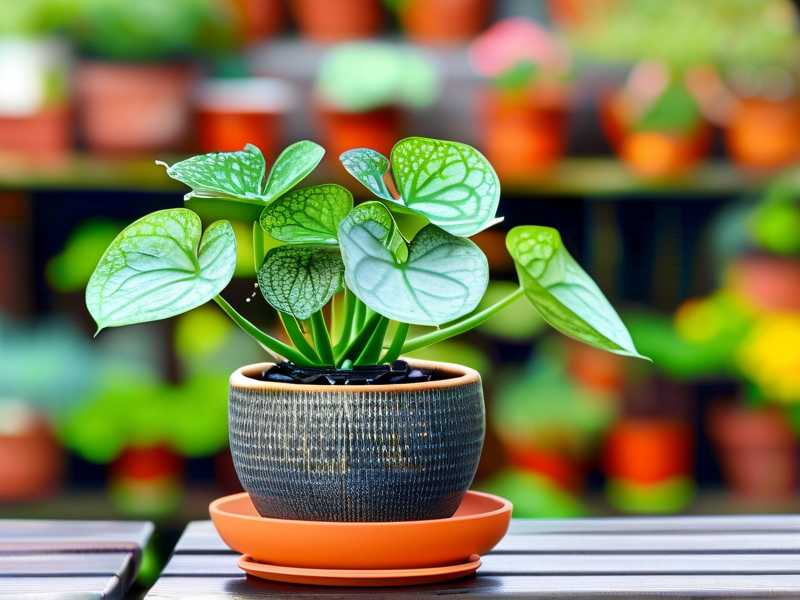
Plant A? By day 14, it had pushed out a tiny new leaf. The soil was dry on schedule. No rot. No stress.
I've done this same test with different variables over the years. The result is always the same. Drainage, drying out, and light matter more than any fertilizer or fancy soil.
How I Water My Scindapsus Now (Step by Step)
- Check the soil first. Finger test. Dry down to 2–3 inches? Water. Not dry? Wait.
- Water thoroughly. Pour until water runs out the drainage holes. Don't trickle. Soak it.
- Let it drain completely. I set my pots in the sink for 20 minutes. Then I put them back.
- Never let it sit in water. If there's a saucer, empty it. If there's a cache pot, dump it.
- Adjust for season. Summer = more often. Winter = less often. My winter watering drops to every 3 weeks sometimes.
That's my whole routine. No schedule. No guessing. Just checking.
What About Soil and Fertilizer?
Soil matters more than you think. I use a chunky mix: potting soil, perlite, and orchid bark. Equal parts. It drains fast. Scindapsus roots hate sitting in dense, peat-heavy soil. They need air.
Fertilizer? I feed once a month in spring and summer with a diluted liquid fertilizer. That's it. Over-fertilizing can burn roots and make them more vulnerable to rot. Less is more.
FAQ
How often should I water Scindapsus in winter? Every 2–3 weeks, depending on your home's humidity and light. The soil dries much slower in winter. Always check before watering.
Can Scindapsus recover from root rot? Sometimes. If the rot is early, you can trim the mushy roots, repot in fresh, dry soil, and wait. I've saved two plants this way. If the stem is mushy, it's usually too late. Take a cutting and start over.
Should I mist my Scindapsus? You can, but it doesn't replace proper watering. Misting raises humidity slightly. It won't cause root rot. But it won't fix overwatering either. I mist mine once a week in summer. That's it.
Look, Scindapsus is forgiving if you let it dry out. It's unforgiving if you love it too much with water. I've learned that the hard way, multiple times. So do yourself a favor: buy a terra cotta pot, use chunky soil, and stick your finger in the dirt before you water. Your plant will thank you.