bluename
I used to think gazanias were fussy little things. My first pot died within three weeks, and I honestly blamed the plant. Turns out the problem was me. After killing two more and finally getting one to bloom for a full season, I cracked the code: gazanias want sun, they want drainage, and they hate wet feet more than anything. That's basically the whole secret. If you are a beginner, the fastest way to grow healthy gazania is to plant it in gritty, fast-draining soil, give it at least six hours of direct sun, and water only when the top inch of soil is bone dry. Get those three right and the rest is easy.
This guide walks you through everything I learned the hard way. Light, water, soil, feeding, seasonal care, and the mistakes that nearly made me give up on these cheerful daisy-like flowers. By the end you will know exactly what to do, and what not to do.
What Makes Gazania Worth Growing at Home
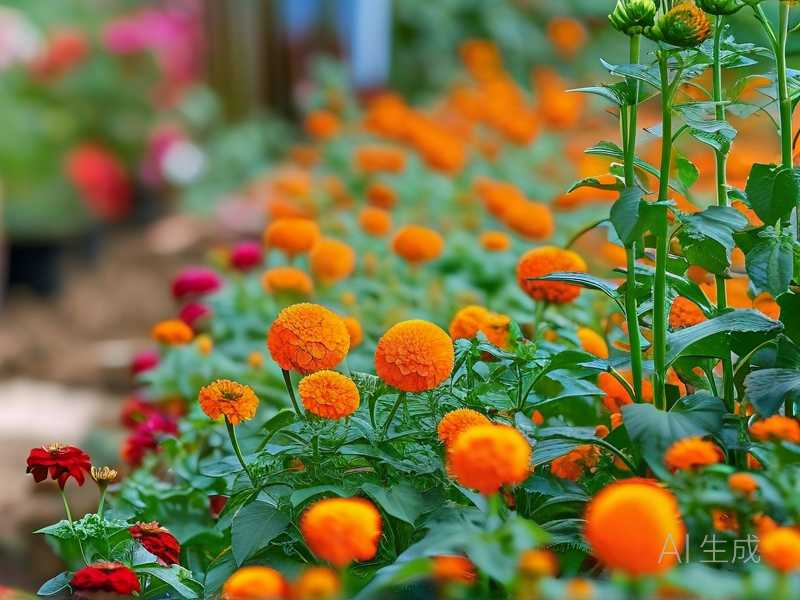
Gazanias are tough little perennials from South Africa, often grown as annuals in colder zones. Their flowers look like painted daisies and come in hot shades of orange, yellow, red, and pink. Some varieties even close their petals at night or on cloudy days, which is a fun little quirk to watch.
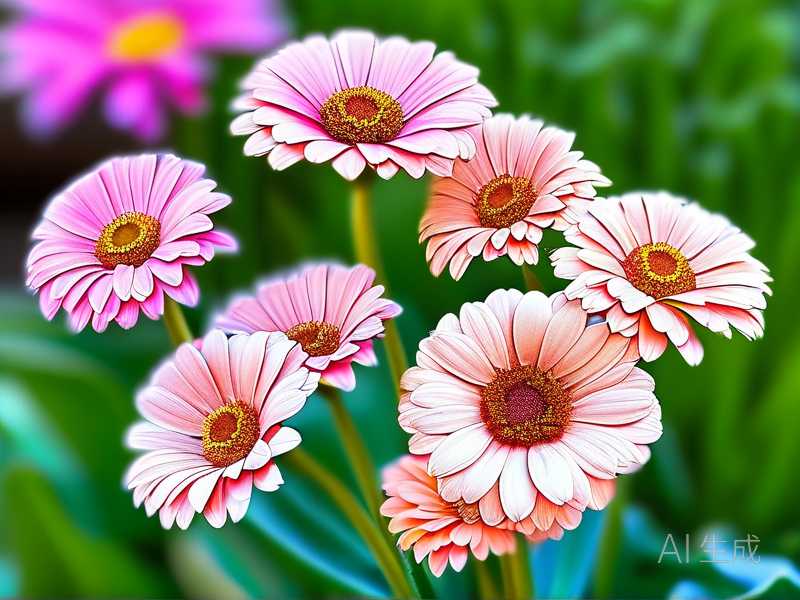
They suit balconies, sunny patios, borders, and containers. Honestly, they are pretty forgiving once established. The challenge is getting them through the first few weeks without drowning them.
According to the RHS, gazanias need full sun and free-draining soil to thrive. That matches everything I have seen in my own pots.
Light: The Make-or-Break Factor
Best Light for Gazania
Gazania wants full sun. Not partial, not dappled. Think six to eight hours of direct light per day. In my experience, pots that got morning shade and afternoon sun did okay, but the ones in all-day sun flowered twice as much.
What Happens With Too Little Light
The plant stretches. Stems go leggy, flowers get small, and the whole thing looks sad and washed out. I tried one on a north-facing windowsill once. It survived but never bloomed. Total waste of a season.
What Happens With Too Much Intense Heat
In very hot climates, intense afternoon sun combined with dry air can scorch leaves and fade flowers fast. If you live somewhere with brutal summers, a little afternoon shade actually helps. The morning sun is the valuable part.
Watering: Where Most Beginners Go Wrong
Here is the line I wish I had read on day one: 90% of indoor plants die from overwatering. Gazania is no exception. In fact, it is more sensitive to soggy soil than most.
The Core Rule
Water deeply, then let the soil dry out. Wait until the top inch or two feels dry to the touch. In summer that might mean every two to three days in a pot. In cooler weather, once a week or less.
How I Water Mine
I check the soil with my finger. If it is still cool and damp, I walk away. If it is dry and crumbly, I water until it runs out the drainage holes. Then I empty the saucer. Standing water is the enemy.
Preventing Root Rot
Use a pot with drainage holes. Always. Never let the pot sit in a puddle. If the soil stays wet for more than a couple of days, you have a drainage problem, not a watering problem.
Soil and Potting: Getting the Base Right
The Soil Mix I Use
I mix two parts regular potting soil with one part perlite and a handful of coarse sand. That keeps it airy and fast-draining. Gazania roots hate compacted, heavy soil. Simple as that.
Choosing the Right Pot
Terracotta or unglazed clay pots work great because they breathe and help soil dry out. Plastic is fine too, but be more careful with watering. Size matters: pick a pot only slightly bigger than the root ball. Too much extra soil holds moisture and invites rot.
Repotting
Repot in spring when roots start circling the pot. I do it every one to two years. Gently loosen the root ball, shake off old soil, and replant at the same depth. Water lightly and keep it in bright light.
Feeding: Less Is More
Gazanias are not heavy feeders. I give mine a diluted liquid fertilizer once every three to four weeks during the growing season. Half strength is plenty. Too much nitrogen gives you lots of leaves and almost no flowers.
Skip feeding in winter. Skip it if the plant looks stressed. Never fertilize dry soil; water first, then feed.
Seasonal Care, Step by Step
Spring: Wake-Up Time
This is when I tidy the plant. I cut back leggy stems and remove dead leaves. I top up soil and start feeding again. If repotting is needed, this is the window. New growth shows up fast once the days get longer.
Summer: Sun, Water, and Watchfulness
Summer is showtime. I water more often but still check the soil first. I keep pots in full sun and make sure air moves around them. In a heatwave I move pots slightly so they get a break from the worst afternoon glare. I also watch for aphids on new buds.
Autumn: Slow Down
Growth slows. I reduce watering and stop feeding by mid-autumn. I remove spent flowers and yellowing leaves. In colder zones, this is when I start planning to bring pots indoors or treat the plant as an annual.
Winter: Survival Mode
Gazania does not like frost. In cold regions, bring pots inside to a bright, cool room. Water sparingly, maybe once every two to three weeks. No fertilizer. If you garden in a mild climate, you can leave them outside with some protection.
Pests, Diseases, and Problem Solving
Aphids are the main pest I see. A blast of water or a little insecticidal soap handles them. Slugs can nibble young leaves in damp weather.
Yellow leaves usually mean too much water or poor drainage. Mushy stems mean root rot, and at that point you may need to start over with cuttings. Brown crispy leaves usually mean underwatering or scorching heat.
The AHS notes that good air circulation and proper spacing prevent most fungal issues. I learned that one after a batch of seedlings got powdery mildew from crowding.
Three Beginner Mistakes That Kill Gazania
One: Overwatering. I killed my first plant this way. The soil stayed wet, the roots rotted, and the plant collapsed in days.
Two: Wrong light. Putting gazania in shade is a slow death. It will not bloom, and it will look weak and spindly.
Three: Wrong pot. No drainage holes, or a pot far too large. Both trap moisture. I have made this mistake more than once, and I still check every pot before planting.
My Two-Week Test
When I first got serious about gazania, I ran a simple test. I planted three pots: one in full sun with gritty soil, one in part shade with regular soil, and one in full sun with rich, water-retentive soil. For two weeks I watered all three the same way, only when the top inch was dry.
The results were obvious by day ten. The full-sun, gritty-soil pot pushed out new buds. The shaded one went leggy. The rich-soil one started yellowing at the base. That experiment taught me more than any article could.
Quick FAQ
How often should I water gazania? Only when the top inch of soil is dry. In hot weather that may be every few days; in cool weather, once a week or less.
Can gazania grow indoors? Yes, but it needs a very sunny window, and it will not flower as well as it does outside.
Why is my gazania not blooming? Usually too little sun, too much fertilizer, or a plant that is still young. Give it more direct light and cut back on feeding.
Final Thoughts
Gazania is not difficult. It is just particular about three things: sun, drainage, and restraint with the watering can. Get those right, and you will have a plant that rewards you with bright, cheerful flowers for months. I wish someone had told me this before I lost three pots. Now you know, so go easy on the water and let the sun do its work.