bluename
 How to Grow Healthy Mandevilla for Beginners (Easy Guide)
If you want to know how to grow healthy mandevilla, here's the short answer: give it six or more hours of direct sun, plant it in a pot with drainage holes, water only when the top inch of soil feels dry, and feed it every two weeks during the growing season. That's it. I've killed my share of these vines by ignoring those basics, so trust me on this one.
I've been growing mandevilla on my patio for years now. The first one I bought looked gorgeous at the nursery. Three weeks later, yellow leaves everywhere. I had no idea what I did wrong.
So I started over. Bought a second plant. Kept notes. Killed that one too, but slower. The third one finally thrived, and I've kept it going for three seasons now. This guide is basically everything I wish someone had told me at the start.
Just so you know, this is not a fussy plant. It's actually pretty forgiving once you understand what it wants. The problem is most beginners, including me, assume it wants the same things as their other houseplants. It doesn't. Mandevilla is a tropical vine that craves heat and light. Treat it like a tomato plant, not like a pothos.
One quick note before we get into the details. I always check my recommendations against the RHS{:target="_blank"} growing guides because they're thorough and practical. The AHS{:target="_blank"} is another source I lean on for heat-loving vines. Both are worth bookmarking if you're serious about gardening.
Now, let's talk about what actually matters.
The Three Mistakes That Kill Most Mandevilla
I want to start here because this is where almost everyone goes wrong. Including me.
Mistake #1: Overwatering
Here's a stat that shocked me when I first read it: 90% of indoor plants die from overwatering. Not underwatering. Overwatering. I know, it sounds backwards.
My first mandevilla died because I watered it every single day. I thought tropical plants need constant moisture. Wrong. Mandevilla likes consistent moisture, sure, but it hates sitting in soggy soil. The roots suffocate. Then they rot. Then the plant looks sad and droopy, which makes you think it needs more water, so you water it again. It's a death spiral.
Here's what I do now. I stick my finger about an inch into the soil. If it's dry at that depth, I water. If it's still damp, I wait. That's the whole rule. In summer, that usually means watering every two or three days. In cooler weather, maybe once a week. It depends on your climate and pot size.
Also, make sure your pot has drainage holes. I learned this the hard way. A pot without drainage is basically a slow execution chamber for mandevilla. Water pools at the bottom, roots rot, and by the time you notice, it's too late.
Mistake #2: Wrong Light
I tried growing my second mandevilla on a covered porch. It got bright, indirect light all day. I figured that was perfect. Nope. The vine grew leggy, meaning it stretched out with long gaps between leaves, trying to reach for sun that wasn't there. It produced maybe three blooms the entire season.
Mandevilla needs direct sun. Not filtered, not dappled. Direct. At least six hours a day. Full sun is even better. I'm talking about the kind of spot where you'd put a sunbathing chair.
Once I moved my third plant to a south-facing spot with eight hours of direct sun, the difference was obvious within two weeks. New growth everywhere. Buds forming on nearly every tip. It was like the plant finally woke up.
If you're in a really hot climate, like parts of Australia or the southern US, a little afternoon shade is fine. It actually helps during heat waves. But morning sun is non-negotiable. That's when the plant does most of its photosynthesis.
Mistake #3: Wrong Pot
This one is sneaky. I used a pot that was way too big for my first mandevilla. I thought, more room equals more growth. That logic works for some plants. It does not work for mandevilla.
When you put a small plant in a big pot, the soil stays wet for way too long. The roots can't drink up all that moisture fast enough. Same result as overwatering. Root rot.
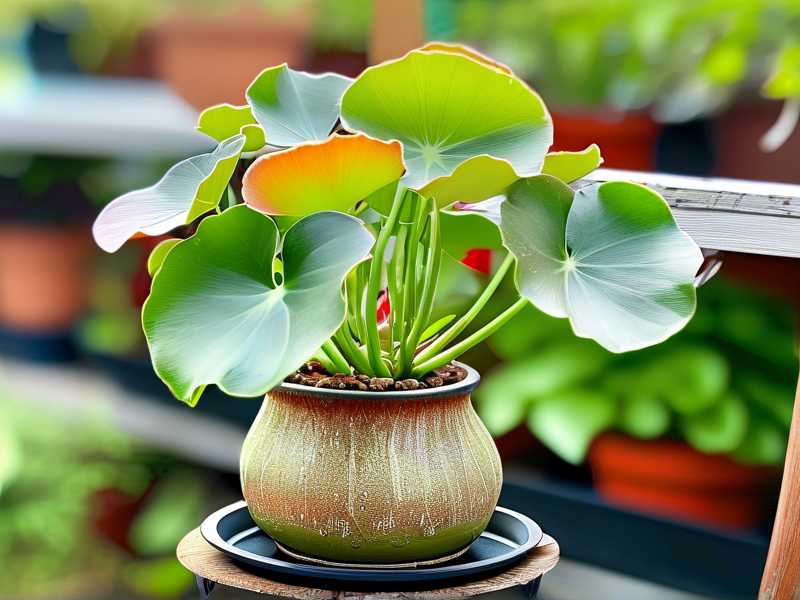
The sweet spot is a pot that's just one or two inches wider than the root ball. I know it looks cramped. That's fine. Mandevilla actually blooms better when it's slightly root-bound. I've tested this. My cramped plant outperforms my roomy one every single summer.
Terracotta pots are my go-to because they breathe and help wick away excess moisture. Plastic works too, but you need to be more careful with watering. Either way, drainage holes are mandatory.
What I Learned in the First Two Weeks
I mentioned keeping notes. Let me share what happened in those first fourteen days after I moved my mandevilla to the right spot and stopped overwatering.
Days 1 through 3: No visible change. I panicked a little. I kept wanting to water it. I didn't.
Days 4 through 6: I noticed the leaves perking up. They were less droopy. Still no new growth, but the existing leaves looked healthier. Darker green.
Days 7 through 9: Tiny new leaves started appearing near the tips. I mean tiny. Like the size of a pencil eraser. But they were there.
Days 10 through 12: Those tiny leaves doubled in size. I also spotted the first flower bud. Just one. But I was thrilled.
Days 13 and 14: A second bud appeared. The vine had clearly adjusted. I could literally see the difference between a happy mandevilla and a stressed one.
The lesson? Give it two weeks before you panic. Mandevilla doesn't respond overnight. But when it does respond, it goes fast.
How to Water Mandevilla Without Killing It
I'm going to spend more time on this because I think water is where most beginners get tripped up.
Forget schedules. Plants don't own calendars. Instead, check the soil.
I use the finger test. Stick your index finger into the soil up to the first knuckle. If it feels dry, water thoroughly until water runs out the bottom of the pot. If it feels moist, walk away.
A few extra tips from my own experience:
- Morning watering is better than evening. It gives the plant all day to use up the moisture before cooler nighttime temperatures slow things down.
- If your pot feels unusually heavy, that's a sign it's still holding water. Skip that day.
- Yellow leaves that feel soft and mushy usually mean too much water. Yellow leaves that feel dry and crispy usually mean too little. Learn to read the difference.
- During winter, mandevilla slows down. I water mine maybe every ten days, sometimes less. It's not actively growing, so it doesn't need much.
Sunlight: Where to Put It and Why It Matters
I've already said it needs direct sun. But let me get specific because "full sun" means different things to different people.
In my experience, mandevilla performs best with six to eight hours of direct sunlight. If you can give it more, great. If you can't, six is the minimum for decent blooming.
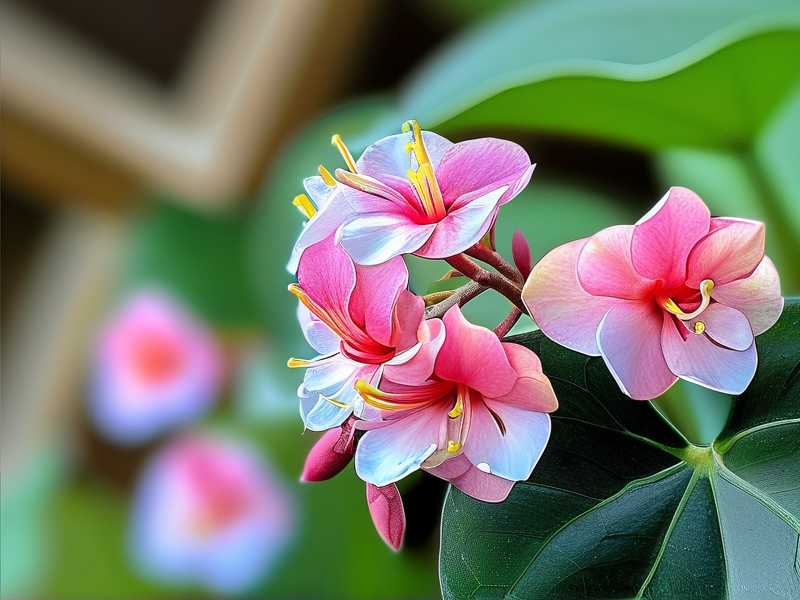
The plant will survive on less. But it won't bloom much. A mandevilla without flowers is just a green vine, and that's not why anyone buys one.
If you're growing in containers, you can move the pot around to chase the sun. I do this. In spring, I keep mine on the south side of my house. In the peak of summer, when the heat gets intense, I shift it slightly so it gets a break from the worst afternoon sun. Just a little dappled shade after 3 PM. The plant seems to appreciate it.
For those in cooler climates, like parts of Canada or the UK, you'll need to be strategic. A south-facing wall that reflects heat is ideal. That's where I'd put it if I lived in a place with shorter summers.
Soil and Fertilizer: Keeping It Simple
You don't need to overthink this. A good quality potting mix works fine. I add a handful of perlite to improve drainage. That's the one upgrade I never skip.
For fertilizer, I use a liquid bloom booster every two weeks from spring through early fall. Something with a higher phosphorus number. That's the middle number on the bottle. Phosphorus supports flower production.
I stop feeding in late autumn. The plant is winding down and doesn't need the extra push.
One thing I don't do anymore: I don't fertilize a dry plant. Always water first, then feed. Fertilizing dry roots can burn them. I learned that one after a sad little incident with a tomato plant years ago.
Pruning and Shaping
Mandevilla is a vine, so it wants to climb. I give mine a trellis and gently wrap the new growth around it. If a vine is heading in a direction I don't want, I just tuck it back.
I also pinch off the tips of young vines early in the season. This encourages branching, which means more flowers. It feels wrong to cut off healthy growth, but it works.
At the end of the season, I cut my plant back by about a third. This keeps it from getting too leggy and prepares it for the next year.
Pests and Problems to Watch For
I've dealt with two main issues.
Aphids showed up once, clustering on the new growth. I blasted them off with a hose and sprayed the plant with insecticidal soap. They didn't come back.
Spider mites appeared during a dry spell. Those are trickier. They thrive in hot, dry conditions. I increased humidity around the plant by misting it and washed the leaves thoroughly. That took care of it.
The bigger problem, honestly, is root rot from overwatering. That's the one that kills plants. Pests are annoying but manageable. Root rot is usually fatal by the time you spot it.
Winter Care for Beginners
If you live in a warm climate, your mandevilla might survive outdoors year-round. In zones 9 through 11, it's perennial. Everywhere else, it's a tender perennial that needs protection.
I bring mine indoors before the first frost. I put it near a bright window and reduce watering significantly. It drops some leaves. That's normal. It's not dying. It's just resting.
In late winter or early spring, I start watering more and feeding again. It bounces back fast.
Frequently Asked Questions
Why are my mandevilla leaves turning yellow?
If the yellow leaves feel soft and mushy, you're probably overwatering. If they feel dry and crispy, it might be underwatering or too much direct afternoon sun in extreme heat.
How often should I fertilize mandevilla?
Every two weeks during the growing season with a liquid bloom booster. Stop in late autumn and winter when the plant is dormant.
Can mandevilla grow indoors?
Yes, but it needs a very bright spot with direct sun. A south-facing window is ideal. Without enough light, it won't bloom and may become leggy.
Growing mandevilla isn't complicated once you understand what it needs. Strong sun, well-drained soil, and a watering routine that errs on the dry side. It took me three plants to figure that out. You can learn from my mistakes and skip straight to the part where your vine is covered in flowers.