bluename
Your bird of paradise is drooping, the leaf edges are crispy brown, and you're pretty sure that yellowing stalk wasn't there last week. I've been there. Reviving a dying bird of paradise (Strelitzia) usually comes down to fixing one or two broken basics fast: water, light, or the pot itself. In my experience, most plants bounce back within two weeks once you correct the real problem—not just water it more and hope.
Here's the honest truth I learned the hard way: 90% of indoor plants die from overwatering. That single line changed how I care for every plant in my house. So before you do anything else, let's figure out what your bird of paradise is actually telling you.
First, the Fast Answer (Under 100 Words)
Stop watering immediately and check the soil 2–3 inches down. If it's soggy, you're overwatering—the number one killer. Move the plant to bright, indirect light. Repot in a pot with drainage holes if yours has none. Trim dead leaves. Then wait two weeks and watch for new growth pushing up from the center. That's your sign it's coming back.
What This Plant Actually Needs
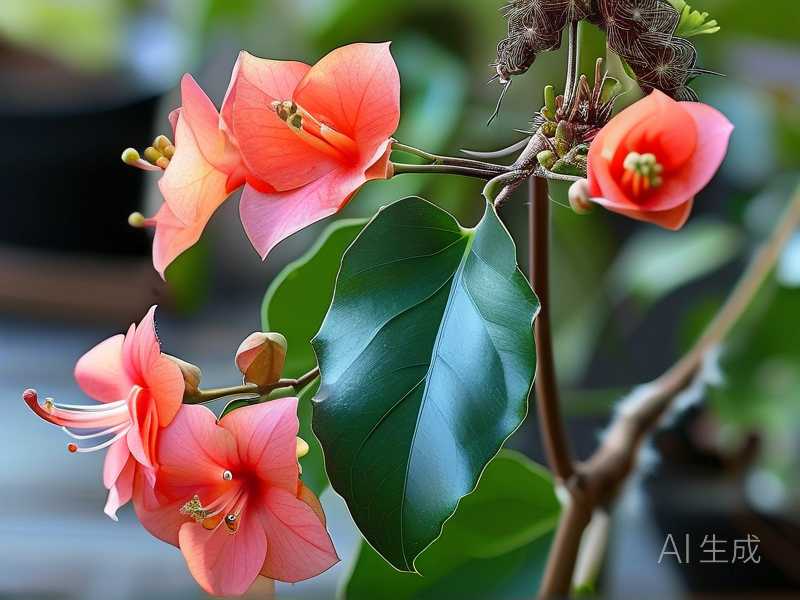
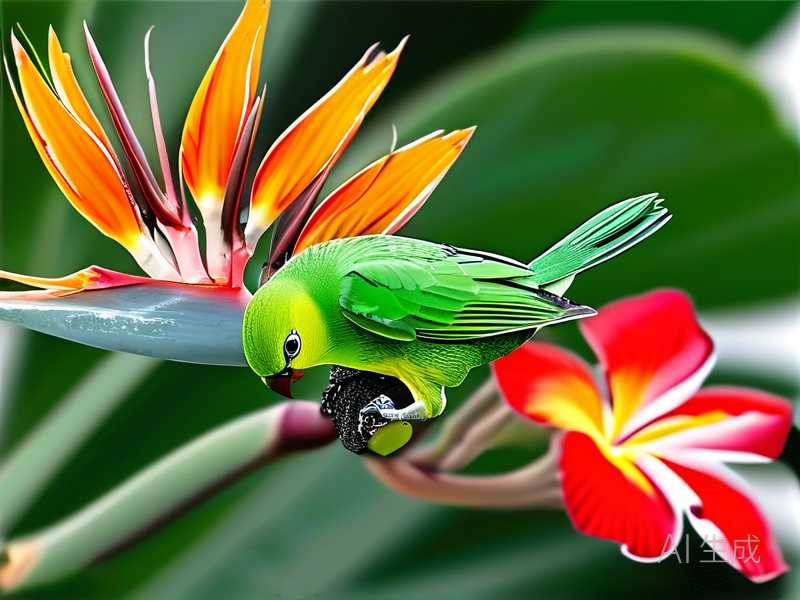
Bird of paradise is a tropical showstopper with big, paddle-shaped leaves and, in the right conditions, those dramatic orange-and-blue flowers. It looks high-maintenance but really isn't. The trouble is, most people love it too much—too much water, too much shade, too big a pot. I killed my first one by "being attentive." My second one almost died from sitting in a decorative pot with no drainage. Third time, I finally got it.
The RHS notes that Strelitzia thrives in bright light with steady but not soggy moisture. That's the whole game in one sentence. Get light and water right, and everything else falls into place.
Light: The Fix Most People Miss
This is where I messed up for months. I had mine in a corner that felt "bright" to me but was really just average. Bird of paradise wants strong, indirect light—think a few feet back from a south- or west-facing window.
If the light's too weak, you'll see slow growth, leggy stems, and leaves that never unfurl properly. Too harsh and direct, especially through summer glass, and the leaf edges scorch and turn brown and crispy.
Here's what worked for me: I moved mine about three feet from a south window, and within ten days the new leaf that had been stuck halfway open finally opened up. Simple as that. If you don't have a bright window, a grow light for 10–12 hours a day is a solid backup.
Watering: Where Almost Everyone Goes Wrong
Let me say it plainly—overwatering is the killer. Bird of paradise likes to dry out a bit between drinks. I water mine when the top two inches of soil feel dry to the touch, usually every 7–10 days in summer and every 2–3 weeks in winter.
A few things I do that made a real difference:
- Always check with my finger before watering. Sounds basic. It isn't, once you get lazy.
- Water thoroughly until it drains out the bottom, then empty the saucer. Never let it sit in water.
- In winter, I cut back hard. Less light means the plant drinks way slower.
If the soil stays wet for days, that's your red flag. Soggy roots rot fast, and by the time you see yellow leaves, the damage is already underway.
Soil and Repotting: The Pot Mistake
My third plant nearly died because I put it in a gorgeous ceramic pot with no drainage hole. Water pooled at the bottom and the roots sat in it. Lesson learned: drainage holes are non-negotiable.
For soil, I use a chunky mix—roughly 60% potting soil, 20% perlite, and 20% orchid bark. It drains well but still holds a little moisture. The AHS recommends well-draining mixes for tropicals like this, and I've found that combo works great.
Repot every 2–3 years, or when roots start circling the surface. Don't go too big—just one pot size up. A pot that's way too large holds excess soil that stays wet too long. That's a sneaky way to drown a plant without even overwatering it directly.
Feeding: Light Touch Only
I feed mine with a balanced liquid fertilizer at half strength, every 4–6 weeks from spring through summer. That's it. No feeding in fall and winter when growth slows.
Never fertilize a stressed or recently repotted plant—you'll burn the roots. And never feed dry soil; water first, then feed. I learned that one after watching a perfectly healthy plant get crispy tips overnight.
Seasonal Care: The Part That Actually Saves Plants
Honestly, the season-by-season rhythm is where reviving a dying bird of paradise really happens. Here's how I run it.
Spring: Wake It Up
This is revival season. I trim off dead or damaged leaves at the base, start watering a bit more as light increases, and resume feeding. If it needs repotting, spring is the time. New growth should start pushing up from the center—that's your proof it's alive and kicking.
Summer: Protect and Breathe
Bright light is great, but direct afternoon sun can scorch leaves. I keep mine a little back from the glass. I also watch for spider mites in dry heat—more on that below. Good airflow matters more than people think; a stuffy corner invites problems.
Fall: Dial It Back
I slowly reduce watering and stop feeding by mid-fall. I wipe the leaves down so they can soak up what light there is. This is the quiet prep for winter, and skipping it is why a lot of plants struggle by January.
Winter: Less Is More
Cold and wet is a death sentence. I keep mine away from drafty windows and radiators, water sparingly, and skip fertilizer completely. A little leaf drop in winter is normal—don't panic and water more. That panic is what finishes off a struggling plant.
Pests and Problem-Solving
If I see webbing or tiny speckles, it's usually spider mites—common in dry indoor air. I wipe leaves with a damp cloth and raise humidity. Yellow leaves usually mean overwatering or poor drainage. Brown crispy edges point to dry air or inconsistent watering. Mushy stems at the base? That's rot—stop watering, check the roots, and repot in fresh, dry-ish mix if needed.
Three Mistakes That Kill New Bird of Paradise Plants
- Overwatering. The big one. When in doubt, wait.
- Wrong light. Too dark and it sulks; too harsh and it scorches.
- The wrong pot. No drainage, or way oversized. Both trap water.
FAQ
How long until I see recovery? Give it about two weeks after fixing the core issue. New growth from the center is your signal.
Can I save a plant with mushy roots? Sometimes. Trim the rot, repot in fresh draining mix, and water sparingly. Act fast.
Should I mist the leaves? It helps a little with humidity, but fixing water and light matters far more.
Reviving a bird of paradise isn't about doing more—it's about stopping the thing that's hurting it. Fix the water, fix the light, fix the pot, then be patient for two weeks. In my experience, that's the fast fix that actually sticks.