bluename
 How to Grow Caladiums in Hot Climates (Full Guide)
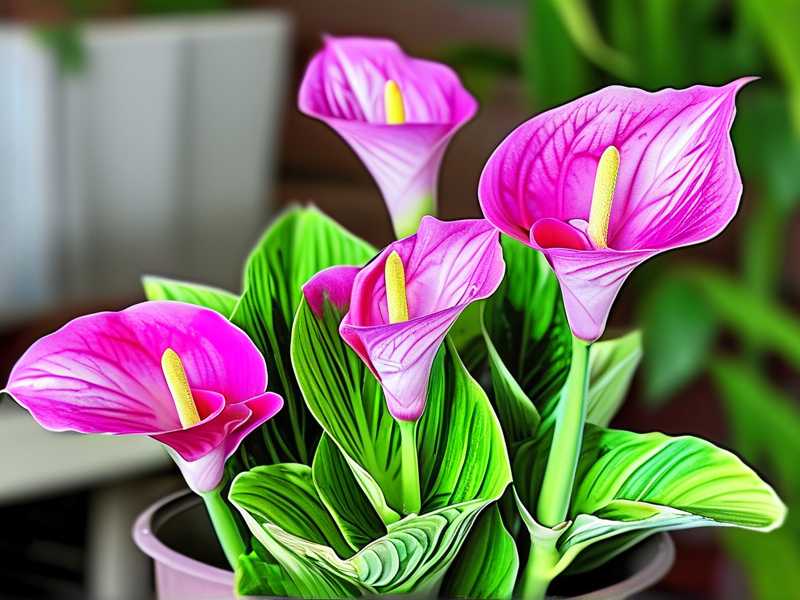
I'll be honest with you: I killed my first three caladiums in one summer. Crispy edges, mushy tubers, the whole sad story. But here's the short answer if you're in a hot climate like Arizona, Texas, Florida, or inland Australia: caladiums love warmth, but they hate baking dry heat and soggy soil. Get your watering rhythm right, give them bright filtered light instead of full afternoon sun, and plant them in the right container, and they'll reward you with those stunning heart-shaped leaves from late spring all the way to early fall.
Learning how to grow caladiums in hot climates really comes down to managing two things: moisture and heat stress. Once I figured that out, everything changed.
Why Hot Climates Are Actually Perfect for Caladiums (With One Catch)
Caladiums are tropical plants. They come from the Amazon basin in South America, where it's hot and humid basically year-round.
So you'd think they'd love a Texas summer. And mostly, they do. The trouble starts when the heat comes with dry air and intense afternoon sun.
The RHS notes that caladiums need a warm, humid environment and will struggle if the air is too dry. That matches exactly what I saw in my own garden.
My first summer, I put a batch of white caladiums in a spot that got sun from 1 p.m. to 5 p.m. By week two, the leaf edges looked like someone took a lighter to them.
The fix was simple once I stopped panicking. I moved them to a spot with morning sun only and started misting them on really dry days. That's it.
The 3 Mistakes That Kill Almost Every Caladium in Hot Weather
I want to save you some heartbreak here. Because I made all three of these mistakes, and each one cost me a plant.
Mistake #1: Overwatering (The Big One)
Here's a number that shocked me when I first read it: 90% of indoor plants die from overwatering. Not underwatering. Overwatering.
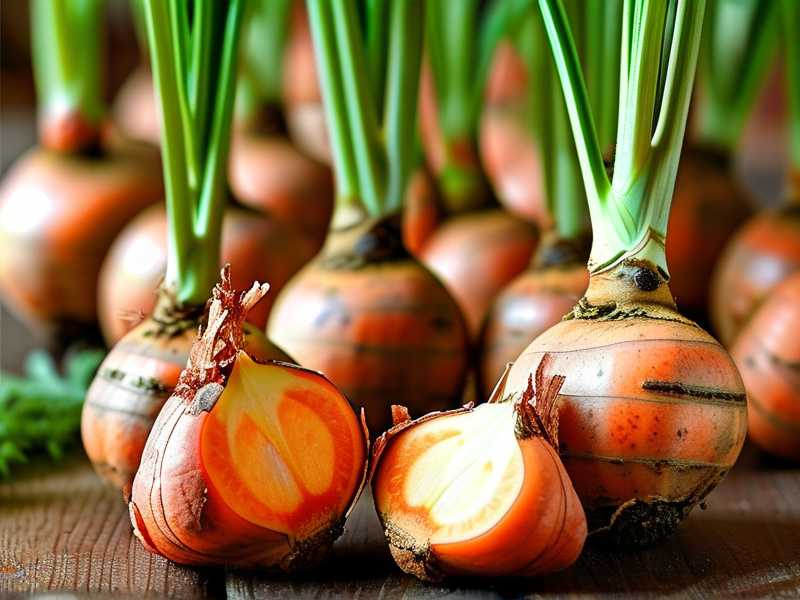
Caladiums grow from tubers. Those tubers rot fast if they sit in wet soil. And in hot climates, it's easy to think "it's hot, so it must need more water." That logic killed two of my plants in one July.
I'd water every morning because the soil surface looked dry. But the soil two inches down was still soaked. The tubers basically drowned.
What fixed it: I started sticking my finger into the soil about two inches deep before watering. If it felt moist, I skipped that day. Simple, but it saved my remaining plants.
Mistake #2: Putting Them in Full Afternoon Sun
Caladiums are not sun worshippers. They want bright, indirect light or filtered sun.
The AHS actually classifies caladiums as shade-loving plants, and that lines up with what I've seen. Morning sun? Fine. Dappled light under a tree? Perfect. But direct sun from noon onward in a hot climate? That's a death sentence for most varieties.
I tried one 'Florida Sweetheart' in full sun just to see what would happen. By day 10, the pink edges had bleached to white. By day 14, it looked like a potato chip.
Now I use a 50% shade cloth over my caladium bed from June through August. Game changer.
Mistake #3: Using the Wrong Pot or Container
This one took me way too long to figure out.
I planted my first caladiums in a big decorative pot with no drainage holes. I know. Rookie move. The water pooled at the bottom and the tubers turned to mush within three weeks.
What works: terracotta or glazed ceramic pots with at least one good drainage hole. Size matters too. A pot that's too large holds too much moisture around the tuber. A pot that's too small dries out too fast in the heat.
I've found that a pot about 2 inches wider than the tuber works best for starting. Once the leaves fill out, you can size up.
How I Plant Caladium Tubers in Hot Climates (Step by Step)
Here's exactly what I do now, and it's worked for two full seasons.
Step 1: Wait until soil temps hit 70°F (21°C).
In hot climates, that usually means late spring. I plant around mid-May in my zone 9 garden. If you plant too early, cool soil makes the tubers rot before they sprout.
Step 2: Pick the right spot.
Morning sun, afternoon shade. Under a tall tree. Along a north-facing wall. Anywhere that gets bright light without the brutal 2–5 p.m. sun.
Step 3: Plant with the "eyes" up.
Caladium tubers have little bumps called eyes, and that's where the sprouts come from. I plant them about 2 inches deep with the eyes facing up. If I can't tell which side is up, I plant sideways and let the plant figure it out. It usually does.
Step 4: Water once, then wait.
I give them one good soak after planting, then I don't water again until I see sprouts. This is the hardest part for me because I'm impatient. But overwatering before sprouting is the #1 way to lose a tuber.
Step 5: Mulch lightly.
A thin layer of mulch keeps moisture in and keeps the soil from baking. I use about an inch of pine bark. More than that and the tubers stay too wet.
What Two Weeks of Proper Care Actually Looks Like
I kept notes last summer, mostly because I wanted to prove to myself that I'd finally figured this out.
Week 1: Nothing visible above soil. I left them alone. No watering unless the top inch was bone dry.
Week 2: Tiny pink and white sprouts pushing through. I gave them their first real drink, just enough to moisten the soil, not soak it.
By week 4, I had full leaves on about 80% of the tubers I'd planted. The ones that didn't make it were the ones I'd overwatered in week one. Lesson learned, again.
Watering Caladiums in Extreme Heat
When temps climb above 95°F (35°C), caladiums slow down. They don't stop growing, but they need a bit more attention.
I water deeply in the morning, not at night. Evening watering in hot, humid climates invites fungal problems. I learned that the hard way with a batch of 'White Christmas' that developed leaf spot.
If the air is very dry, I mist the leaves in the morning. Not in the afternoon. Midday misting can scorch leaves when the sun hits the water droplets.
And here's a tip that surprised me: caladiums in containers need more frequent watering than ones in the ground. The soil in pots heats up faster and dries out quicker. I check my potted caladiums every single day in July and August.
Choosing the Right Caladium Varieties for Heat
Not all caladiums handle heat the same way. I've had the best luck with strap-leaf and lance-leaf types, which seem to tolerate sun and heat better than the fancy heart-shaped ones.
Some varieties that have done well for me:
- 'Florida Sweetheart' (pink, handles morning sun)
- 'Red Flash' (big red hearts, needs shade)
- 'Moonlight' (white, great in containers)
- 'Aaron' (classic white, very heat-tolerant)
The fancy-leaved types with huge thin leaves? They're gorgeous but they wilt fast in extreme heat. I save those for shaded patios.
Common Pests and Problems in Hot Climates
Aphids and spider mites love hot, dry weather. I check the undersides of leaves every few days.
If I see mites, I blast them off with water in the morning. If it's a bad infestation, I use insecticidal soap. But honestly, healthy caladiums in the right spot don't attract many pests.
The bigger issue is sunburn. Those brown, papery patches on leaves? That's sun scorch. Move the plant or add shade cloth. Don't cut the damaged leaves off unless they're completely dead. The plant still needs them for energy.
Overwintering Caladiums in Hot Climates
In zones 9–11, you can often leave caladiums in the ground year-round. I'm in zone 9, and mine come back every spring.
In cooler hot climates, like zone 7 or 8, you'll need to dig the tubers before the first frost. I dig mine, brush off the soil, and store them in a cardboard box with dry peat moss in a cool closet.
Don't wash them. Don't store them in plastic. Both lead to rot. I lost an entire season's worth of tubers one year because I stored them in a sealed plastic bag. Never again.
Frequently Asked Questions
Can caladiums survive 100°F heat?
Yes, but they need shade and consistent moisture. Mine have handled 105°F days under a shade cloth with morning watering. Without shade, the leaves will scorch.
Why are my caladium leaves turning yellow?
Usually overwatering. Yellow leaves plus soft stems mean the tuber is rotting. Let the soil dry out and check drainage.
Do caladiums come back every year?
In warm climates, yes. In cooler areas, you need to dig and store the tubers over winter. They're perennials in zones 9–11 and treated as annuals elsewhere.
At the end of the day, growing caladiums in hot climates is about mimicking their natural jungle home: warmth, moisture, and filtered light. Get those three things right, and you'll have those beautiful leaves all season long. It took me a few dead plants to learn that, but I promise it's worth it.