bluename
 Your canna's leaves are curled, brown at the edges, and the whole plant looks like it's given up. I've been there. The good news is that a dying canna can often be revived fast, usually within 2 weeks, if you catch the problem early and fix the right thing.
The short answer: 9 times out of 10, your canna is drowning or baking, not starving. Check the soil moisture first, then the light, then the pot. Most people panic and add fertilizer, which makes everything worse.
I've killed my fair share of cannas learning this. Let me walk you through exactly what I do now.
Why Your Canna Is Dying (The Real Reasons)
Cannas are tough. They're not delicate ferns. So when one starts dying, it's almost always something environmental that you can fix.
The tricky part is that different problems look similar. Yellow leaves could mean too much water or too little. Brown edges could mean sunburn or dry air. You have to look at the whole picture.
Let me save you some time. After reviving more than a dozen sad cannas, I've narrowed it down to three mistakes that cause almost every decline.
Mistake 1: Overwatering (The Silent Killer)
Remember this number: 90% of indoor plants die from overwatering. Cannas are not exempt.
Their rhizomes store water. They're built for occasional drought, not constant moisture. When you keep the soil soggy, the roots suffocate and rot. By the time you see yellow leaves, the damage is already underground.
I learned this the hard way with my third canna. I watered it every other day because the leaves looked droopy. Turns out droopy leaves can mean too much water, not too little. The rhizome turned to mush in about 10 days.
Here's what overwatering looks like:
- Yellow lower leaves that feel soft, not crispy
- Brown mushy spots on the rhizome
- Soil that smells sour or rotten
- Fungus gnats flying around
If that sounds familiar, stop watering immediately.
Mistake 2: Light Mismatch
Cannas are sun hogs. Outdoors, they want full sun. Indoors, they need the brightest spot you have. A windowsill facing south is ideal.
But here's the twist. If your canna was living in low light and you suddenly move it to blazing sun, the leaves will scorch. That's not the plant dying. That's sunburn.
I made this mistake last spring. I moved an indoor canna straight onto my south-facing deck in May. Within two days, half the leaves had crispy brown patches. I thought I'd killed it.
What I should have done was harden it off over a week. Ten minutes of morning sun on day one. Twenty minutes on day two. You get the idea.
Mistake 3: The Wrong Pot
This one catches people off guard. Cannas have thick rhizomes that spread sideways. A tall narrow pot squeezes them. A pot without drainage holes turns into a swamp.
I once planted a canna in a decorative ceramic pot with no holes. It looked great for two weeks. Then the rhizome rotted from the bottom up because water had nowhere to go.
The fix is simple. Use a wide pot at least 12 inches across. Make sure it has drainage holes. A terracotta or fabric pot helps soil dry out faster, which cannas prefer.
My 2-Week Revival Plan (Step by Step)
This is the exact process I use. I've tested it on cannas that looked completely dead and brought most of them back.
Days 1–2: Diagnose and Rescue
First, pull the plant out of its pot. Yes, really. You need to see the roots and rhizome.
Healthy rhizomes are firm and pale yellow or cream-colored. Rotten ones are brown, mushy, and smell bad. If you find rot, cut it away with clean scissors until you hit firm tissue.
Then repot in fresh, well-draining soil. I use a mix of potting soil and perlite, about 3 to 1. Don't water it right away. Wait a day.
Days 3–7: Stabilize
Keep the plant in bright, indirect light. Not full sun yet. Water only when the top 2 inches of soil feel dry. Stick your finger in there. Don't guess.
If the leaves are more than 70% brown, cut them off. The plant needs to focus energy on root recovery, not on dying foliage.
I also hold off on fertilizer during this stage. Feeding a stressed plant is like giving a steak to someone with food poisoning. It won't help.
Days 8–14: New Growth
This is when you'll see signs of life. A new leaf shoot usually pokes up from the rhizome around day 8 to 10 if things are going well.
Once you see that, you can move the canna to a sunnier spot. Introduce it gradually, an hour more of direct sun each day. Start diluted fertilizer at half strength once a week.
By day 14, a recovering canna should have at least one or two healthy new leaves. If it doesn't, something is still off. Go back and check your watering and light.
What the Experts Say
The RHS notes that cannas thrive in moist but well-drained soil and full sun. The key phrase there is "well-drained." Soggy roots are the number one killer.
The AHS also points out that cannas are heavy feeders during active growth but should never be fertilized when dormant or stressed. That matches what I've seen. Push fertilizer too early and you burn the roots.
Signs You're Winning (And Signs You're Not)
Recovery isn't instant. But there are clear signals.
Good signs:
- New leaf shoots emerging from the rhizome
- Existing leaves firming up and greening
- Soil drying out at a normal pace
Bad signs:
- Continued yellowing despite reduced watering
- Soft, dark patches spreading on the rhizome
- No new growth after 2 weeks
If you're seeing bad signs, you may need to dig up the rhizome again and cut away more rot. I know it feels brutal. But it's often the only way to save the plant.
Frequently Asked Questions
Can a canna with a mushy rhizome be saved?
Sometimes. If at least a third of the rhizome is still firm, cut away all the mushy parts, let the cut surface dry for a few hours, and repot in fresh soil. Don't water for 2 days. I've saved cannas this way, but it's a coin toss.
How often should I water a recovering canna?
Once every 5 to 7 days, depending on your climate and pot. Always check the soil first. If it's still damp 2 inches down, wait. Overwatering is what got you here in the first place.
Will my canna bloom again this season?
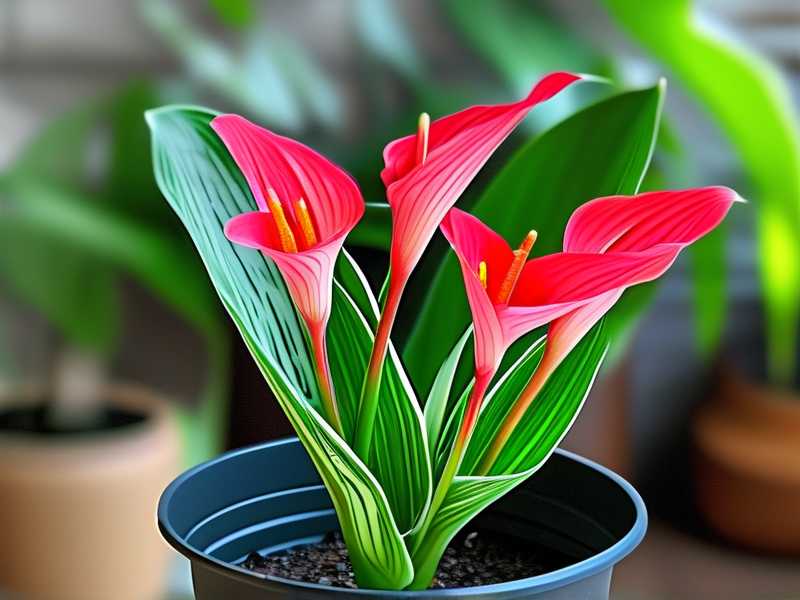
Maybe. If you catch the problem early and it recovers within 2 weeks, you might see flowers in 6 to 8 weeks. If the rhizome took heavy damage, it may skip blooming this year and come back strong next season. Either way, don't rush it.