bluename
 How to Grow Curcuma from Rhizomes (Complete Guide)
I planted my first curcuma rhizomes on a whim three springs ago, and by day 14 I had this gorgeous, almost tropical-looking sprout pushing through the soil. That moment hooked me. If you want the short answer on how to grow curcuma from rhizomes, here it is: plant plump rhizomes shallow, keep the soil barely moist, give them warmth and bright indirect light, and don't drown them. Most failures come down to three things, and I'll get into all of them.
Curcuma is that plant you've probably seen at a florist and thought was fake. Those cone-shaped flower bracts in pink, white, or purple look almost too perfect. They're real, and they grow from rhizomes just like ginger. Contact time with these plants taught me they're forgiving if you respect a few basics, and brutal if you ignore them.
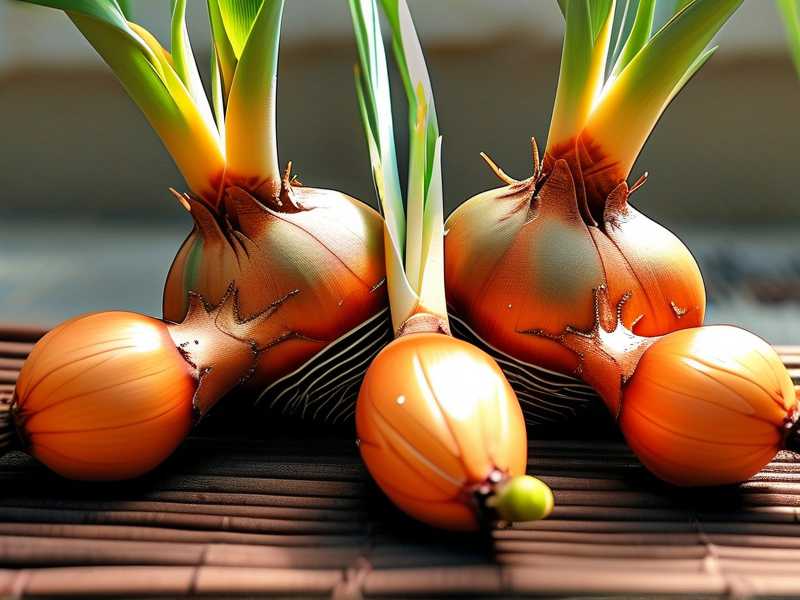
Curcuma belongs to the ginger family, Zingiberaceae, and most garden varieties trace back to Curcuma longa or Curcuma alismatifolia. The Royal Horticultural Society notes that these plants need a warm, frost-free environment and a dormant rest period to flower well. I learned that the hard way. More on that later.
Before you buy anything, let me save you some pain. I've killed four curcuma rhizomes, and every single death traced back to one of three beginner mistakes. If you avoid these, you're already ahead:
Mistake 1: Overwatering. This is the big one. 90% of indoor plants die from overwatering, and curcuma is no exception. I lost my second rhizome to rot because I treated it like a tropical fern that wanted constant moisture. It turned to mush in ten days. The fix is simple: water only when the top inch of soil feels dry, and cut back hard during dormancy.
Mistake 2: Wrong light. Curcuma wants bright, indirect light. I once parked a pot in full afternoon sun on a south-facing windowsill, and the leaves scorched within a week. Then I overcorrected and shoved one into a dark corner. It grew leggy, pale, and never flowered. The sweet spot is a spot that gets morning sun and filtered light the rest of the day.
Mistake 3: Wrong pot. I tried growing one in a decorative pot with no drainage holes. Big mistake. Water pooled at the bottom, the rhizome rotted, and I ended up with a pot of sludge. Always use a container with drainage holes, and don't go oversized. A pot that's too big holds too much moisture around the rhizome. I now use a pot just 2 inches wider than the rhizome cluster.
First real tip. Buy rhizomes that are firm and plump, like fresh ginger at the grocery store. Skip anything shriveled or moldy. I order mine in late winter so they're ready to plant when the weather warms.
Second. Plant them shallow. I bury rhizomes about 1 to 2 inches deep, with the growing points, those little pinkish nubs, facing up. If you bury them too deep, they rot before they sprout. I've made this mistake twice.
Third. Use a loose, well-draining mix. I make my own with two parts potting soil, one part perlite, and one part coco coir. Curcuma hates heavy, soggy soil. The American Horticultural Society recommends a light, fertile medium for ginger-family plants, and that matches what I've seen.
Fourth. Keep them warm. Curcuma sulks below 60°F (15°C). I keep my pots at 70–80°F (21–27°C) during the growing season. A heat mat under the tray helps early on, especially if your house runs cool.
Fifth. Water sparingly until you see growth. This is where most people go wrong. Before sprouts appear, the rhizome has no leaves to pull water up. I give just a light watering at planting and then wait. Once green shoots appear, I water when the top inch dries out.
My day 1 to day 14 observation, since I know you want real details:
- Day 1: Planted three rhizomes in a 6-inch pot with drainage.
- Day 3: Nothing. Panicked a little.
- Day 5: Still nothing. Resisted the urge to water.
- Day 7: First tiny green nub poking through the soil. Relief.
- Day 10: Two more sprouts emerging. The pot is coming alive.
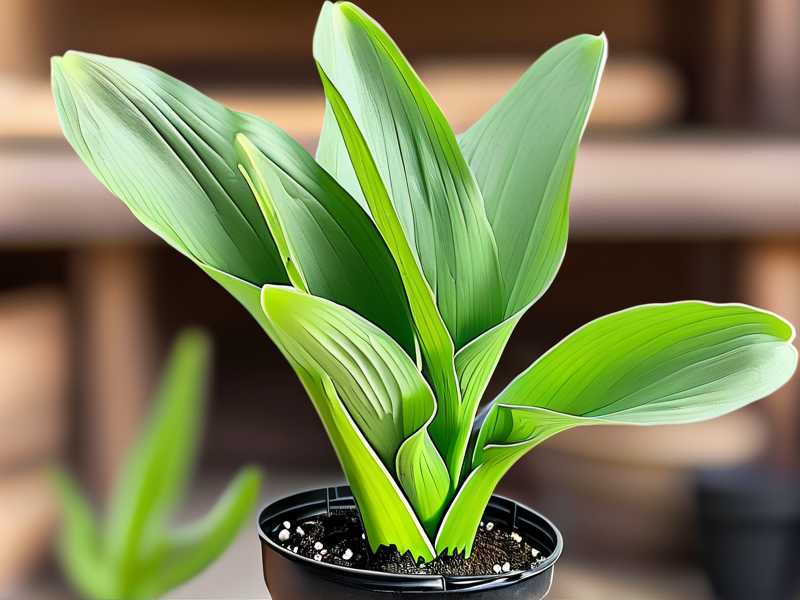
- Day 14: Three clear shoots, each about an inch tall, with the beginnings of rolled leaves.
That two-week window taught me patience. Curcuma doesn't sprint. It wakes up slowly, and if you water too much while waiting, you'll rot the rhizome before it ever gets going.
Once your curcuma is up and growing, it's actually low-maintenance. Here's what I do:
Light. Bright, indirect light. An east-facing window is ideal. If you only have a south or west window, hang a sheer curtain. I use a simple sheer panel and it solved my scorching problem completely.
Water. During active growth, water when the top inch of soil is dry. In summer, that's roughly once a week for me. In cooler months, every 10–14 days. Never let the pot sit in a saucer of water. I empty saucers within an hour.
Humidity. Curcuma likes humidity but hates wet feet. I set pots on a pebble tray with water, or run a small humidifier nearby. Misting the leaves is fine, but don't mist the flowers, it can cause spotting.
Fertilizer. I feed every four weeks during the growing season with a balanced liquid fertilizer at half strength. That's it. Overfeeding pushes leaf growth at the expense of flowers. I learned that from a local grower who's been at it for 20 years.
Dormancy. This is the part nobody tells you. After flowering, curcuma leaves yellow and die back. That's normal. Don't panic and don't water more. I let the foliage die completely, then stop watering almost entirely. I store the pot in a cool, dark spot at around 55–60°F (13–15°C) for 8–10 weeks. Then I bring it back into warmth and start watering lightly to wake it up. Skip this rest and you may never see flowers again. I skipped it once and got nothing but leaves.
Repotting and dividing. Every two to three years, when the rhizome cluster gets crowded, I divide it in early spring before new growth starts. I knock off the old soil, pull apart the rhizomes gently, and replant the plumpest pieces. This keeps the plant vigorous and gives you free plants. I've turned one rhizome into seven over three seasons.
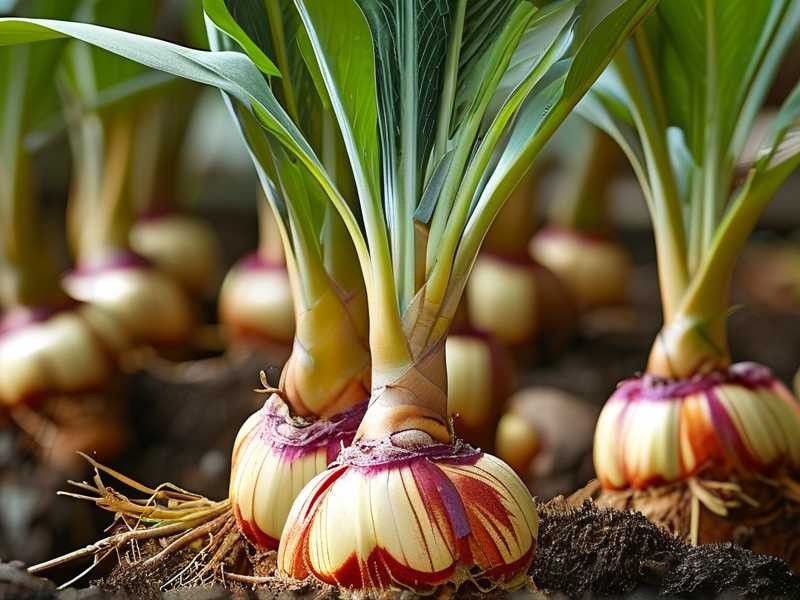
A few things I wish someone had told me earlier:
Don't water on a schedule. Water based on soil moisture, not the calendar. I used to water every Sunday no matter what. That's how I killed my first curcuma.
Yellow leaves aren't always a problem. At the end of the season, yellowing is just dormancy starting. I panicked and overwatered once, thinking the plant was thirsty. It rotted.
Flowers aren't actually flowers. Those colorful cones are bracts. The real flowers are tiny and hidden inside. This matters because deadheading isn't like other plants. I just let the bracts fade naturally and cut the stem back to the base once it's done.
Pests. Spider mites and mealybugs show up indoors, especially in dry air. I wipe leaves with a damp cloth weekly and treat any infestation with insecticidal soap. Catching it early is everything.
How long does it take for curcuma rhizomes to sprout? Usually 2 to 4 weeks if the soil is warm and you're not overwatering. Mine showed green at day 7, but that's on the fast side. If you see nothing after a month, dig gently and check the rhizome. If it's mushy, it rotted. If it's firm, just wait.
Why isn't my curcuma flowering? Nine times out of ten it's because the plant didn't get a proper dormant rest. Curcuma needs that cool, dry period to reset and form new flowers. Other culprits are too little light or too much nitrogen fertilizer. Fix the dormancy first.
Can I grow curcuma outdoors? Yes, in USDA zones 8–11 or equivalent warm climates. In cooler regions, grow it in pots and bring them indoors before the first frost. I grow mine in containers year-round so I can control temperature and move them easily.
Curcuma from rhizomes isn't hard once you understand what it wants. Warmth, light, drainage, and a real rest period. Get those right and you'll have those stunning cone flowers year after year. Get them wrong and you'll join me in the "I rotted my first rhizome" club. No shame in it. Just water less next time.