bluename
 How to Grow Healthy Liriope for Beginners (Easy Guide)
I'll be honest with you: the first time I planted liriope, I killed half of it within three weeks. Not because liriope is difficult — it really isn't — but because I treated it like a houseplant instead of the tough, drought-tolerant perennial it actually is. If you want the short answer, here it is: plant liriope in well-draining soil, give it part sun to full shade depending on your climate, water it deeply but infrequently, and leave it alone. That's basically it. Everything else in this guide is just me showing you exactly how I got there, mistakes included, so you don't have to repeat them.
I've now grown liriope (both the spreading kind and the clumping kind) in three different yards across two hardiness zones. Some of it thrived. Some of it sulked for an entire season. And one flat of it turned to mush because I couldn't stop watering. If you're a beginner wondering whether this plant is right for you, stick with me. I'll walk you through the whole thing like we're standing in my garden, coffee in hand.
What Liriope Actually Is (and Why Beginners Love It)
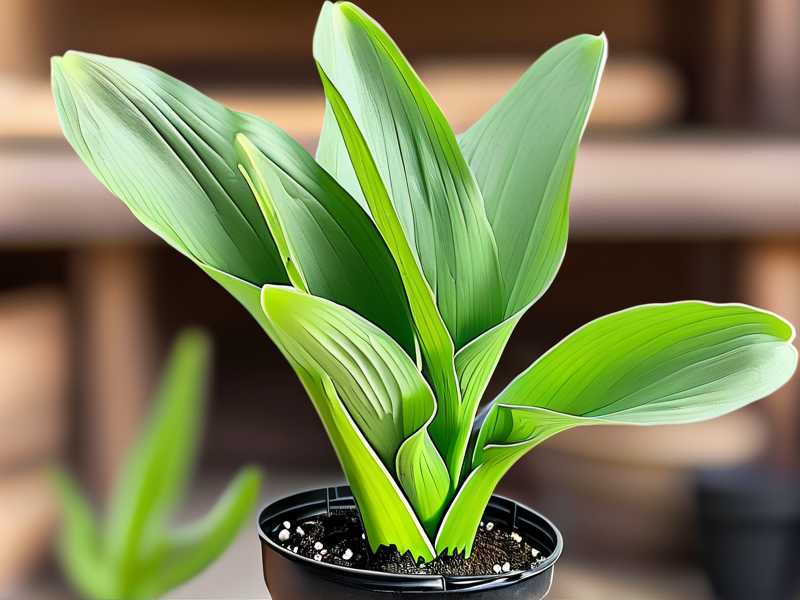
Liriope is often called "monkey grass" or "lilyturf," though it's neither a grass nor a lily. It's a flowering perennial that looks like grass but behaves more like a tough groundcover.
You'll see two main types at garden centers:
- Spreading liriope (Liriope spicata) — runs underground and fills space fast. Great for erosion control, dangerous if you hate digging.
- Clumping liriope (Liriope muscari) — stays in a neat mound. This is what most beginners actually want.
The RHS classifies liriope as a low-maintenance perennial suitable for borders and containers, which matches my experience almost exactly. The AHS also notes its tolerance for drought once established — but that "once established" part is where beginners get tripped up.
I planted my first clumping liriope in early spring. For the first two weeks, nothing happened above ground. I panicked. I watered more. That was mistake number one, and we'll get to it.
The 3 Mistakes That Kill Most Beginner Liriope
Let me be blunt. These three errors account for nearly every dead liriope I've seen, including my own.
1. Overwatering (The Silent Killer)
Here's a stat worth remembering: 90% of indoor plants die from overwatering. Liriope isn't an indoor plant, but the same principle applies outdoors. Its roots need oxygen. Soggy soil suffocates them.
My first flat of liriope sat in clay soil that pooled water after every rain. Within ten days, the crowns turned brown and mushy. I pulled one up and the roots were black. That's root rot, and there's no coming back from it.
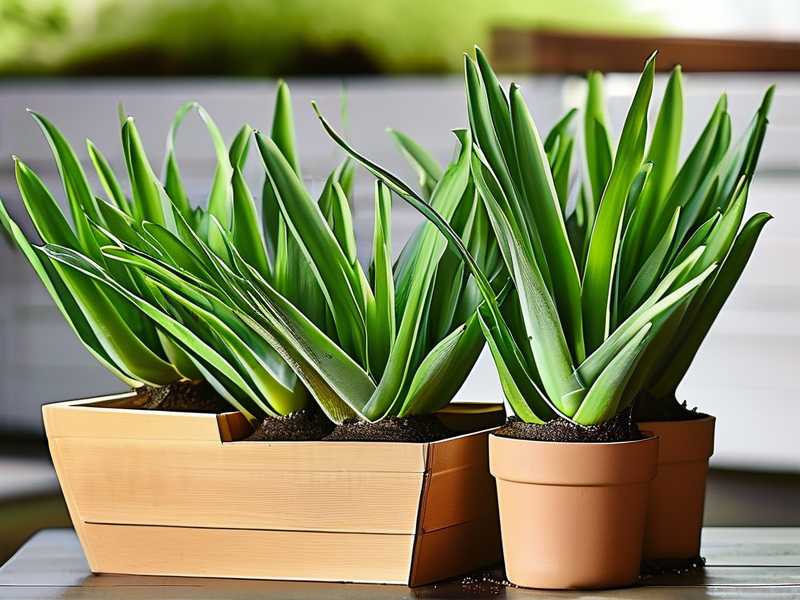
What I do now: I check drainage before planting. I dig a hole, fill it with water, and see how long it takes to drain. If it's still full after an hour, I amend the soil with compost or plant on a slight mound. Simple as that.
2. Light Mismatch
Liriope is flexible, but it's not infinitely flexible. In cooler climates like the UK and parts of Canada, full sun is fine. In hot areas like Texas or inland Australia, afternoon sun scorches the leaf tips.
I tried planting a clump in full afternoon sun in zone 7. By week two, the tips were crispy and bleached. I moved it to morning sun with afternoon shade, and new growth came in green within ten days.
Rule of thumb I follow: more sun in cool climates, more shade in hot ones. If your summers regularly hit 90°F (32°C) or above, give it afternoon shade.
3. Wrong Pot or No Drainage
This one gets beginners every time. I once planted liriope in a decorative ceramic pot with no drainage hole because it looked nice on my patio. It rained for three days. The plant drowned.
Liriope works beautifully in containers, but the container must drain freely. I now use pots with at least one decent-sized hole and a layer of gravel at the bottom. Terracotta is my go-to because it breathes.
If you're planting in the ground, avoid low spots where water collects. That's it. That's the whole secret.
How I Plant Liriope: Step by Step
This is the exact process I use now, after killing enough plants to learn better.
Step 1: Pick the right spot. Part sun to full shade. Morning sun is ideal in hot regions.
Step 2: Check your soil. Liriope tolerates poor soil, but it hates staying wet. Amend heavy clay with compost. Sandy soil is usually fine as-is.
Step 3: Space properly. Clumping types: 12–18 inches apart. Spreading types: 8–12 inches apart if you want quick coverage.
Step 4: Plant at the right depth. The crown — where leaves meet roots — should sit right at soil level. Not buried. I buried one crown too deep once and it rotted within a week.
Step 5: Water deeply once. Then wait. Seriously. Wait.
My 2-Week Observation: What Actually Happens After Planting
I kept notes during my most recent planting, and I think this timeline will help you.
Days 1–3: Nothing visible. The plant is settling roots. Do not water again unless the soil is bone dry.
Days 4–7: Maybe a little yellowing on outer leaves. That's normal transplant shock. I used to freak out here. Now I just leave it.
Days 8–10: New growth starts emerging from the center. Tiny, bright green shoots. This is when I knew it was working.
Days 11–14: The yellowing outer leaves either green up or dry out. I trim the dry ones off with clean scissors. By day 14, the plant looks settled and stable.
The biggest lesson from those two weeks? Patience. Liriope doesn't perform on your schedule. It performs on its own.
Watering: Less Than You Think
After establishment, liriope is genuinely drought-tolerant. I water mine deeply once a week during the first summer. After that, I only water during extended dry spells — maybe once every two weeks.
In winter, I stop watering almost entirely. Wet roots in cold soil equal rot. I learned that the hard way with a container plant that I "helpfully" watered through November.
Quick tip: stick your finger two inches into the soil. If it's damp, skip watering. If it's dry, water deeply. That's more reliable than any schedule.
Soil, Mulch, and Fertilizer (Keep It Simple)
Liriope isn't fussy about soil pH. It grows in slightly acidic to slightly alkaline conditions. What it cares about is drainage.
I mulch with about two inches of shredded leaves or pine bark. This keeps moisture consistent and suppresses weeds. But I keep mulch away from the crown — piled mulch against the crown causes rot.
Fertilizer? I give mine a light dose of balanced granular fertilizer in early spring, right as new growth starts. That's it for the year. Over-fertilizing causes floppy, weak growth and more leaf spotting.
Pruning and Dividing Without Killing It
In early spring, before new growth pushes up, I cut old foliage back to about two inches. This removes winter damage and makes room for fresh leaves.
Dividing is easy but timing matters. I divide in early spring or early fall. I dig the whole clump, cut through the root ball with a sharp spade, and replant the sections at the same depth.
I once divided in midsummer during a heatwave. Bad idea. The divisions stressed out and took months to recover. Learn from me: stick to spring or fall.
Pests and Problems (Rare but Real)
Slugs and snails occasionally nibble new growth. I handpick them at dusk or use a beer trap. Fungal leaf spot shows up in overly wet conditions — another reason drainage matters so much.
If you see brown tips, it's usually sun scorch or inconsistent watering. If you see mushy crowns, it's rot. Remove the affected plant before it spreads.
Frequently Asked Questions
How often should I water newly planted liriope? Once deeply at planting, then only when the top two inches of soil feel dry. That's usually once a week for the first month, then less.
Can liriope grow in full shade? Yes, it tolerates full shade, though flowering is reduced. In hot climates, shade is actually preferred.
Does liriope spread aggressively? Clumping types stay put. Spreading types (Liriope spicata) can take over a bed if you don't edge or divide them regularly. Know which one you're buying.
Final Thoughts From Someone Who Learned the Hard Way
Liriope is one of the most forgiving perennials you can grow — once you stop babying it. Plant it right, water it less than you think, give it the right light, and use a pot that drains. That's the whole game.
I've made every mistake in this guide, and my garden still has healthy liriope thriving in it today. Yours will too. Just don't do what I did and love it to death with the watering can.