bluename
 How to Revive a Dying Ginger (Fast Fix)
Your ginger plant is drooping, the leaves are curling, and the soil smells like something died in it. I get it. I've killed three ginger plants myself before I finally figured out what was going wrong. Here's the fast fix: stop watering immediately, pull the rhizome out of the pot, cut off any mushy roots, and replant it in fresh, dry, well-draining soil. Then wait. Don't water again for at least five days.
That's the short answer. The longer version is what actually saved my fourth ginger plant, and I'm going to walk you through it step by step.
Why Your Ginger Is Dying (It's Probably Not What You Think)
The Royal Horticultural Society (RHS) has said for years that poor drainage and overwatering are the top killers of container-grown tropical plants. And honestly? They're right. I learned this the hard way.
90% of indoor plants die from overwatering. That number sounds dramatic, but after killing three gingers and rescuing a fourth, I believe it completely.
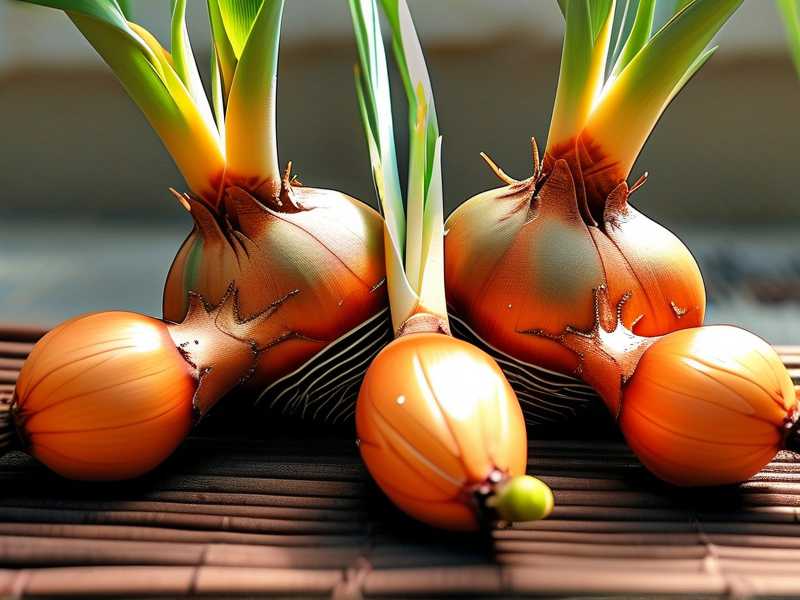
Ginger (Zingiber officinale) is a rhizome, not a root. That's an important difference. Rhizomes store water. They don't need constant moisture the way some people assume. When you water too much, the rhizome basically drowns. It turns soft, brown, and starts rotting from the inside out.
The tricky part? Overwatering and underwatering look almost identical on the surface. Droopy leaves, yellow edges, stalled growth. I spent two weeks watering a dying ginger more because I thought it was thirsty. Turns out I was basically drowning it.
The 3 Mistakes That Kill Most Ginger Plants
I've made all three of these. Every single one. So don't feel bad if you've done them too.
Mistake #1: Overwatering
This is the big one. Ginger likes moisture, sure, but it hates sitting in soggy soil. If your pot doesn't drain well, or if you're watering on a fixed schedule instead of checking the soil first, you're setting yourself up for failure.
My second ginger plant died because I watered it every three days like clockwork. I didn't even check the soil. I just assumed it needed water. By the time I noticed the rhizome was rotting, it was too late.
Here's what I do now: I stick my finger about two inches into the soil. If it feels even slightly damp, I wait. Ginger likes the top layer to dry out a bit between waterings. Not bone dry, but not wet either.
Mistake #2: Wrong Light
Ginger is a tropical plant, so people assume it wants blazing sun. Not true. It wants bright, indirect light. Think dappled shade under a tree, not full afternoon sun on a windowsill.
I had my first ginger on a south-facing windowsill. The leaves got scorched within a week. They turned crispy and brown at the edges, and the plant just stopped growing. I moved it to an east-facing window after that, and it recovered — but it took almost two weeks to see new growth.
The American Horticultural Society (AHS) recommends filtered light for most tropical rhizomatous plants. That matches what I've seen. Direct sun in summer is too much. A sheer curtain or a spot a few feet back from a bright window works well.
Mistake #3: Wrong Pot
This one surprised me. I used to think any pot with drainage holes was fine. But size matters more than I realized.
If the pot is too big, the soil stays wet for too long. The rhizome sits in dampness and rots. If the pot is too small, the roots get crowded and the plant dries out too fast.
I killed my third ginger by putting it in a decorative pot that was way too large. It looked nice. The plant died anyway.
Now I use a pot that's just one or two inches wider than the rhizome. Terra cotta works great because it breathes. Plastic is okay if it has good drainage holes. I also add perlite to my potting mix — about 30% — to keep things airy.
The Fast Fix: Step-by-Step Recovery Plan
This is exactly what I did to save my fourth ginger. It took about two weeks to see real improvement, but the plant is still alive today.
Step 1: Pull It Out
Gently lift the rhizome out of the pot. Don't yank it. If it's stuck, run a butter knife around the edge of the soil to loosen things up.
Step 2: Inspect the Rhizome
Healthy ginger is firm and light yellow inside. Rotten ginger is soft, brown, and smells sour. Cut away anything mushy with clean scissors or a knife. If more than half the rhizome is rotten, you might not be able to save it. Sorry. That's just how it goes sometimes.
Step 3: Let It Dry
This sounds weird, but let the cut rhizome sit out for a few hours. Not in direct sun. Just on a counter or windowsill in indirect light. This lets the cut surface callous over, which helps prevent new rot.
Step 4: Replant in Fresh Soil
Use a light mix. I do two parts potting soil, one part perlite, and a handful of compost. Make sure your pot has drainage holes. Set the rhizome so the top is just barely covered with soil. Don't bury it deep.
Step 5: Wait Before Watering
This is the hardest part. Don't water for five days. I know it feels wrong. Do it anyway. The rhizome has enough stored moisture to survive. Watering right after repotting is how you start the rot cycle all over again.
Step 6: Give It the Right Spot
Bright, indirect light. No direct sun. Room temperature between 65–75°F (18–24°C). Keep it away from air conditioning vents and radiators.
Step 7: Water Sparingly
After five days, water lightly. Then wait until the top two inches of soil are dry before watering again. In my experience, that's usually every 7–10 days indoors. Less in winter.
What I Saw After 2 Weeks
Day 1–3: Nothing. The plant looked the same. Maybe slightly worse because I disturbed the roots. I panicked a little.
Day 4–5: The remaining leaves stopped drooping. They didn't perk up yet, but they weren't getting worse.
Day 6–8: I saw a tiny new shoot pushing up from the soil. I almost missed it. It was pale green and barely half an inch tall.
Day 9–11: The new shoot grew about an inch. The older leaves were still a bit yellow, but they weren't spreading.
Day 12–14: Two more shoots appeared. The plant was clearly recovering. Not thriving yet, but alive and moving in the right direction.
I kept it in that same spot for another month before I repotted it into something slightly bigger. It's been six months now, and it's the healthiest ginger I've ever grown.
What About Outdoor Ginger?
Same rules apply. If your ginger is in the ground and it's dying, check the soil drainage first. Heavy clay soil holds water and kills rhizomes fast. I've had good luck mixing in compost and coarse sand to improve drainage.
If it's in a raised bed, make sure the bed isn't sitting in a low spot where water pools after rain. Ginger hates wet feet. That's true indoors and out.
Also, outdoor ginger in cooler climates (like the UK or parts of Canada) needs to come inside before the first frost. Rhizomes go dormant in cold weather, but they can't survive a freeze. I learned that one the hard way too.
Frequently Asked Questions
Can I save a ginger rhizome that's already soft and mushy?
If the whole rhizome is soft, probably not. But if there's still a firm section, cut away the mushy part, let it dry, and replant. I've saved maybe half of the mushy rhizomes I've tried to rescue. It's worth a shot.
How often should I water ginger indoors?
Water when the top two inches of soil are dry. For most indoor conditions, that's every 7–10 days. In winter, you might go two weeks or more. Don't water on a schedule. Check the soil first.
Why are my ginger leaves turning yellow?
Yellow leaves can mean overwatering, underwatering, or too much direct sun. Check the soil moisture first. If it's wet, you're overwatering. If it's bone dry, you waited too long. If the soil feels right but the leaves are scorched, move the plant out of direct light.
The Bottom Line
Reviving a dying ginger isn't complicated, but it does take patience. The fix is almost always the same: less water, better drainage, and the right light. I wish I'd known that before I killed three plants. But hey — now you know.