bluename
If you’ve landed here, I’m guessing your Prince of Orange is either looking sad, dropping leaves, or maybe you’ve already lost one to root rot. Honestly, I’ve been there. The biggest mistake? Overwatering. 90% of indoor plants die from overwatering. I burned through two plants before I figured out the trick. The simple answer is this: water only when the top 2 inches of soil are completely dry, use a chunky, well-aerated mix, and make sure your pot has drainage holes. That’s it. The rest is just fine-tuning.
Why Root Rot Happens So Easily with This Plant
I remember bringing home my first Prince of Orange. The leaves were this stunning mix of coral and deep green. I was so proud. Then I killed it with kindness. I watered it every few days because the topsoil looked dry. But underneath? It was soggy. The roots suffocated. Within two weeks, the stem turned mushy at the base.
Philodendron Prince of Orange is not a swamp plant. It’s an epiphyte in the wild. That means it grows on trees, not in standing water. Its roots are used to air flow. When you pot it in dense, water-retentive soil and water it too often, the roots can’t breathe. Bacteria move in. Rot sets in. It’s a slow death that looks like a sudden collapse.
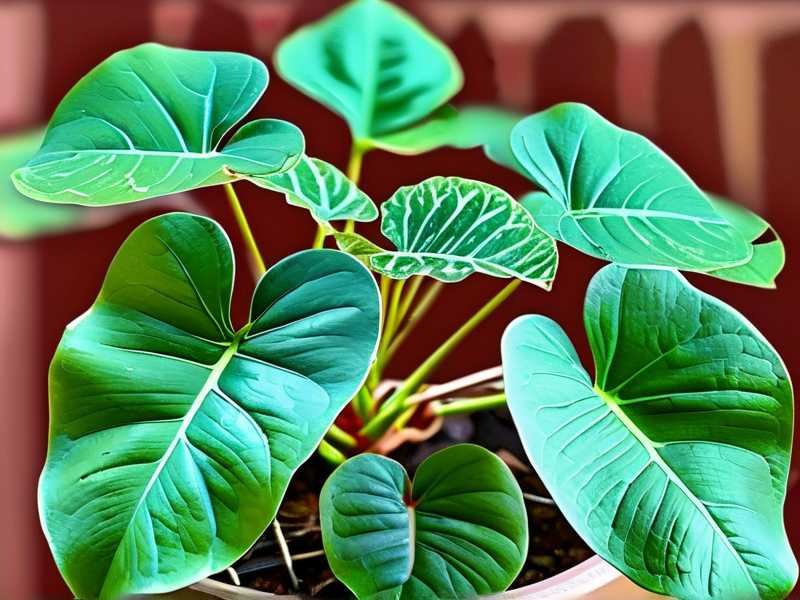
The tricky part is that this plant shows drought stress almost the same way it shows overwatering stress. Drooping leaves? Could be thirsty. Or could be drowning. Yellow leaves? Same problem. That’s why you need a system, not a guess.
The 3 Deadly Mistakes That Kill Your Prince of Orange
Let me break down the three biggest errors I see in every plant forum and Facebook group. I made all of them at some point. Learn from my pain.
Mistake #1: Watering on a Fixed Schedule
I get it. You like routines. Water every Monday, right? No. That’s a trap. Your plant doesn’t care what day it is. It cares about moisture levels. If you water on a schedule, you’ll overwater in winter when the plant is dormant. You’ll underwater in summer when it’s pushing out new leaves.
What I do now is simple. I stick my index finger straight into the soil, all the way down to my second knuckle. If it comes out clean with no damp soil sticking to it, I water. If it feels cool and damp, I wait. I also bought a cheap moisture meter on Amazon. That takes the guesswork out entirely. The meter reads 1-10. I water when it hits 2 or 3.
One time, I forgot to check and just watered because I "felt like it." Bad move. The soil was still moist from a previous watering. I ended up with fungus gnats and early signs of rot. It took me weeks to fix that. Don’t be me.
Mistake #2: Using the Wrong Pot (Drainage Is Everything)
I killed my second plant because I fell in love with a decorative pot. No drainage holes. I thought I was clever, adding a layer of pebbles at the bottom. Guess what? That doesn’t work. Water pools at the bottom of the outer pot. The roots sit in it. Rot follows. Every single time.
You need a pot with drainage holes. Period. I use a plastic nursery pot inside a decorative cachepot now. When I water, I take the inner pot out, water thoroughly until water runs out the bottom, and let it drain completely for 15 minutes. Then I put it back. This prevents water from pooling at the roots.
Also, think about pot size. If your pot is too big, the soil volume is huge. It takes forever to dry out. The roots are swimming in wet soil. I’ve learned to choose a pot that’s only about 1-2 inches larger in diameter than the root ball. That’s the sweet spot.
Mistake #3: Ignoring the Light Levels
Here’s something people don’t tie to watering. Light determines how fast the soil dries. If your plant is in low light, the soil stays wet for days. If your plant is in bright, indirect light, the soil dries much faster. You have to water based on your environment, not what some app says.
I had my plant in a corner that was a bit too dark. It looked fine for a while. But the soil never dried out. I kept checking it, waiting for the top to dry. It did dry, but only the top inch. The bottom was still soaked. I had to repot it because the roots started to rot in that persistent dampness.
Move your plant to a spot with bright, indirect light. An east-facing window is perfect. A north window might be too dark. South-facing is too harsh unless you filter it with a sheer curtain. I’ve found that consistent light helps the soil dry evenly, which makes watering way easier.
My Step-by-Step Watering Routine That Works
I’ve fine-tuned this over three plants. This works for me in a dry climate. Adjust if you live in a humid place like Florida or the UK.
Step 1: Check the Soil Depth
I don't just look at the surface. I check two inches down. You can use your finger, a wooden chopstick, or a moisture meter. I prefer the meter because it gives me an exact number. But a chopstick works too. Insert it into the soil. If it comes out clean and dry, water. If it has damp soil stuck to it, wait 2-3 days.
Step 2: Water Thoroughly, But for Drainage
When I do water, I take the plant to the sink. I use lukewarm water, not cold straight from the tap. Cold water shocks the roots. I water slowly, letting it soak in, until I see water coming out of the bottom holes. This ensures the entire root ball is wet, not just the top.
The RHS — you can check their guidance at RHS — emphasizes that thorough watering less frequently is better than frequent light watering. Light watering creates shallow roots and dry pockets in the soil.
Step 3: Let the Excess Water Drain
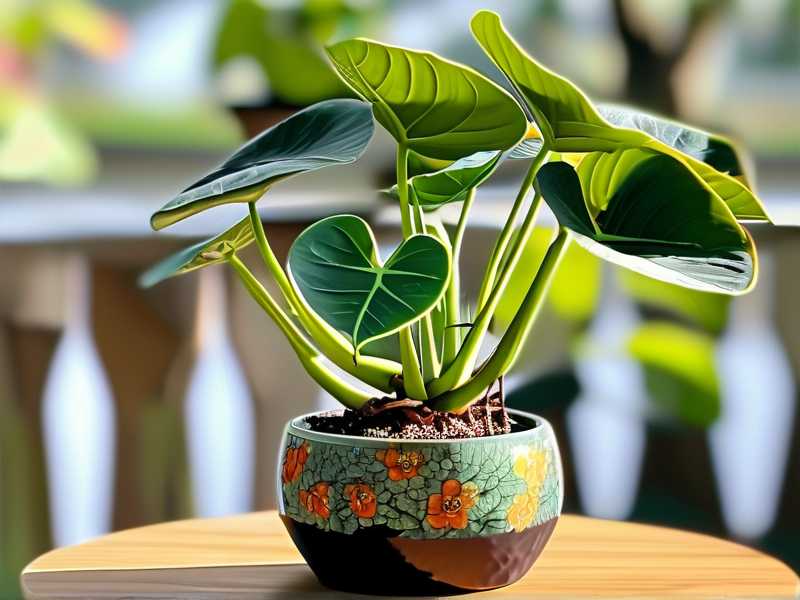
This is critical. I let the plant sit in the sink for at least 15 to 20 minutes. Every drop of excess water must drain away. Then I move it back to its spot. I never leave it in a saucer of standing water. If your pot sits in water, the soil wicks that water back up. It stays saturated. Rot is guaranteed.
I try to water in the morning. That way, the plant has the whole day to transpire and use the water. Watering at night means the soil stays wet through the cool, dark hours. That increases the risk of fungal issues.
Step 4: Watch the New Growth
The Prince of Orange is a fast grower in the right conditions. If you get the watering right, you'll see new leaves emerging from the center. They come out bright orange, then fade to pink, then to green. If new leaves are stunted or sticky, that’s a stress response. If older leaves at the bottom turn yellow and feel soft, you’re overwatering.
I once tracked my watering habits for two weeks. The plant showed a new leaf on day four of my adjusted schedule. I knew I was on the right track. After two weeks, the soil was drying out predictably every 7-8 days in my environment. That’s my baseline now.
Crafting the Perfect Soil Mix for Your Watering Schedule
You can water perfectly and still get root rot if the soil is wrong. The mix matters more than the schedule. I killed my third plant because I used regular potting soil from a big box store. It was too dense. It held water like a sponge.
The Recipe I Swear By
I learned from growers on the American Horticultural Society forums — check out AHS for practical tips — that aroids need chunkiness. So now, I mix my own soil. It takes 10 minutes and saves me a ton of heartache.
The base is a good quality potting mix. But for every 2 parts of potting soil, I add 1 part perlite and 1 part orchid bark. The perlite keeps the soil light and airy. The bark creates chunks that allow water to flow through easily. It also mimics the natural growing medium of philodendrons in the wild.
Let me show you a sample ratio that works for me:
- 2 parts standard indoor potting mix
- 1 part coarse perlite
- 1 part small-grade orchid bark
This mix dries out much faster than pure potting soil. It makes it almost impossible to overwater because the excess just flows through. The roots get air. That’s what they need.
The "Two-Week Observation" Test
When I repotted my current plant with this mix, I observed the moisture level over two weeks. The top two inches dried out in about 4 days. The middle section took another 3 days to dry. The bottom was dry by day 7. That told me I should water around day 7 or 8.
For you, that timeline might be different. If your house is cooler or more humid, it might take 10 days. If you run central heating in the UK winter, it might only take 5 days. The point is, the soil mix allows for even drying. And that gives you room to make small mistakes without killing the plant.
Signs You’re Already Overwatering (And How to Save It)
Sometimes, you don’t realize the issue until it’s on your hands. Here are the visual cues I noticed when I was overwatering my second plant.
Yellowing Lower Leaves
The older leaves turn a pale yellow, then brown at the tips. They feel mushy, not crispy. If the leaf easily pulls away from the stem with little force, that’s a sign the stem is rotting from the inside.
Soft, Brown Stem Base
This is the death sentence. If the base of the stem near the soil line is soft and dark, the rot has already progressed. Once that happens, you can’t reverse it. You’ll need to take cuttings.
Smelly Soil
Healthy soil smells earthy. Rotting soil smells like a swamp. It’s musty and offensive. If you sniff the drainage holes and it stinks, you have anaerobic bacteria breaking down the roots.
My Emergency Rescue Process
If you catch it early, you can act. I’ve done this successfully once.
First, stop watering immediately. Move the plant to a brighter spot with good airflow. A gentle fan helps. Let the soil dry out entirely. This might take up to a week.
Second, if the stem looks okay but you are unsure, remove the plant from its pot. Shake off the soil. Inspect the roots. Healthy roots are white or light tan. Rotted roots are black, mushy, and they pull apart easily.
Third, take sterilized scissors and cut away all the rotten roots. You must remove every single mushy part. Anything left will continue to decay. After you cut, rinse the remaining roots with a diluted hydrogen peroxide solution (1 part peroxide to 3 parts water). This kills bacteria.
Fourth, repot in fresh, dry, chunky mix. Do not water it immediately. Wait four to five days. Let the wounds callus over. Then water very lightly. I did this and saved a plant that is still thriving today.
The Role of Humidity and Temperature in Watering
You can't talk about watering without mentioning the air around the plant. Philodendron Prince of Orange loves humidity. But humidity changes how fast the soil dries.
Why Humidity Matters
In a normal household environment (around 40-50% humidity), the plant does okay. In a humid bathroom or a kitchen with lots of steam, the soil will take longer to dry out. That’s fine. Just adjust your watering frequency accordingly.
If your home is dry, especially in Canadian winters or with central heating in the US, you might need to water more often. I live in an area with dry air in the winter. My water heater runs constantly. The soil dries much quicker. I check my plants every single day in January.
Temperature Checks
If your room is below 15°C (60°F), the plant goes semi-dormant. It uses way less water. You might water once every two weeks. If it’s above 24°C (75°F), growth speeds up. The plant might drink every 5 days. I keep a simple thermometer near my plants. It helps me predict dry times.
A quick tip: I never use cold water. I fill a watering can and let it sit out for 24 hours. That allows the chlorine to evaporate and the water to reach room temperature. Cold water straight from the tap can shock the tropical roots, causing sudden leaf drop.
How Light Impacts Your Watering Frequency
This is something I feel like people don't emphasize enough. Light and water are linked. You can’t control watering without understanding your light situation.
Bright Indirect Light is the Goal
I keep my Prince of Orange about two feet away from an east-facing window. It gets some gentle morning sun for about an hour, then bright indirect light for the rest of the day. In this position, soil dries predictably. I water every 7 days.
Low Light Makes Wet Soil
If you place it further into a room, say 6 feet away from a window, light levels drop significantly. The plant photosynthesizes slower. It uses less water. The soil stays wet longer. If you water every 7 days, you’ll be overwatering. You need to stretch it to every 10-to-14 days.
I made this mistake over a winter. I moved my plant to the center of a living room because it looked pretty. I kept the same watering schedule. By spring, I repotted to remove dead roots. The plant had survived but barely. It taught me to always consider light before pouring water.
Outward Signs from Light Stress
If the leaves are deep green but long and leggy, it’s stretching for light. Move it closer to a window. If you see pale yellow patches on the leaves, that’s sunburn from too much direct light. Filter with a sheer curtain.
Environmental Adaptation Week by Week
When you first buy a plant, it’s been grown in a greenhouse with ideal humidity. Transitioning to your home stresses it out. During the first two weeks, you need to be extra careful.
Week 1: Observation Only
I don't water new arrivals immediately. I let them acclimate for at least 3 or 4 days. I check the soil every day. Most nursery soil is very dense. It retains water. Even if the top looks dry, the bottom is often still wet.
I learned this after buying a beautiful specimen from an online store. I watered it two days after arrival because the top looked dry. A week later, the stem was mush. The seller’s soil held water for far too long. I should have repotted immediately.
Week 2: Adjust to Your Environment
After week one, if the soil is dry at the second knuckle depth, it’s safe to water. But even then, I water less than usual. I give it about 75% of my typical amount. This prevents shock.
After two weeks, if the plant looks stable and the leaves are firm, I switch to my normal routine. I note how many days it took for the soil to dry. That becomes my baseline. I write it in my phone notes. Honestly, tracking this for two weeks was the single biggest game changer.
Top Tools I Recommend for Perfect Watering
I’m a bit of a gadget person. But you only need three things.
1. A Moisture Meter
You can buy these for around $10. I use an XLUX model from Amazon. It has a 10-inch long probe. It measures moisture on a scale of 1 to 10. I always say: if it reads below 3, water. If it reads above 5, don't even think about it.
2. A Long-Neck Watering Can
This helps you direct water to the base without splashing the leaves. Wet leaves, especially in cooler climates, invite fungal infections like leaf spot. Water only the soil, not the foliage.
3. A Soft Brush for Leaves
Why mention this in a watering article? Dust on the leaves clogs the stomata, reducing the plant's ability to photosynthesize. If it can’t photosynthesize, it doesn't use water. Then the soil stays wet. I wipe my leaves with a damp microfiber cloth once a month. It keeps them breathing and helps prevent overwatering issues indirectly.
Common Questions People Ask Me About Watering This Plant
I get a lot of questions on Instagram and via email. Here are the three most common ones, along with my straight answers from direct experience.
FAQ 1: How do I know if my Philodendron Prince of Orange needs water?
Check the soil two inches down with your finger or a moisture meter. If it’s dry, water. If it’s slightly damp, wait. Also, observe your leaves—if they start to look slightly dull or curl inward, that’s also a sign of thirst. But you should always confirm with the soil check before watering, because droopy leaves can also mean it’s been drowning for a while.
FAQ 2: Can I bottom water my Prince of Orange to prevent root rot?
I’ve heard of bottom watering. It’s a method where you let the plant sit in a tray of water and soak from the bottom. Some people swear by it. But I personally find that for this specific plant, it can keep the top layer too dry while the bottom stays saturated, which confuses people. Top watering is more predictable. It mimics rain, and the excess drains out. Stick with top watering. This is from my experience with three plants.
FAQ 3: What should I do if I already see root rot?
Act fast. Remove the plant from the pot. Wash off the soil. Cut away all black and mushy roots. Dip the remaining healthy roots in a 3% hydrogen peroxide solution diluted with water (1 part peroxide to 3 parts water). Let the roots air dry for a few hours. Repot in a chunky, airy mix. Delay watering for at least 4-5 days to let the root damage heal. It’s a risk, but it’s your only chance.
Final Pro Tips for Long-Term Success
Look, at the end of the day, this plant is forgiving if you slow down. My biggest takeaway after killing those first few is that watering is not about routine. It’s about response. Respond to what the plant shows you. What the soil feels like. What your home environment dictates.
Here are my last bits of advice. Use a pot with drainage. Use a soil mix with perlite and bark. Check the soil every day, but only water it when it’s dry. And honestly, when in doubt, wait one more day. A slightly thirsty plant bounces back in a few hours. A overwatered plant takes months to recover, if it ever does.
If you follow this method, your Prince of Orange will thank you. The new orange leaves will push out regularly. The green foliage will stay glossy. You’ll have a focal point for any room. It just takes a little understanding of what the roots need—air, water, and balance. I promise you, once you get this down, watering becomes the easiest part of your plant care routine.