bluename
 How to Water Monstera Deliciosa Without Root Rot (Pro Tips)
I killed three Monsteras before I figured this out. The short answer? Water only when the top 2-3 inches of soil feel completely dry, use a pot with drainage holes, and never let it sit in a saucer of water. That’s it. But the devil is in the details, and I’m going to walk you through every single one of them so you don’t repeat my expensive mistakes.
If you’re reading this, you probably love your Swiss Cheese plant. It’s the gorgeous one with the dramatic split leaves. And you’re terrified of turning it into a mushy mess. That fear is justified. I remember the sinking feeling when I lifted my first Monstera pot and smelled that rotten, swampy odor. The leaves were yellowing, and the stems were turning brown at the base. It was a classic root rot case.
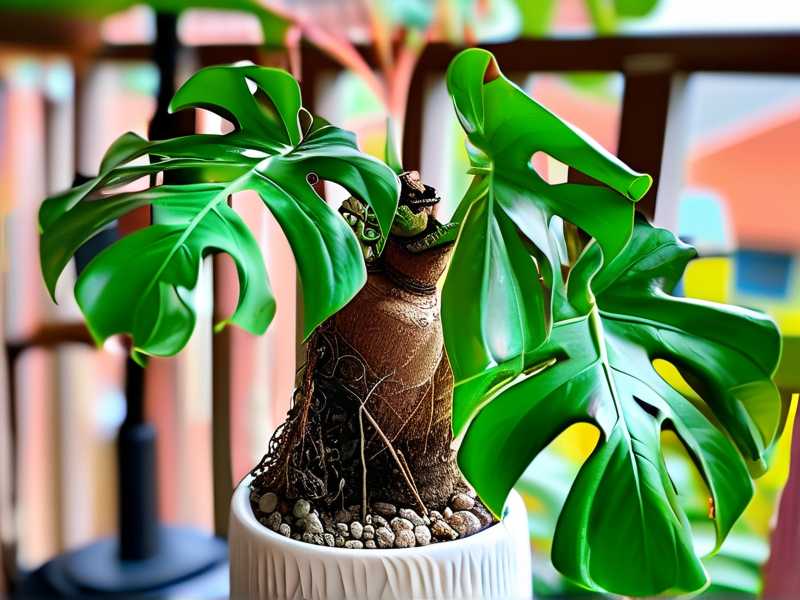
Here’s the thing. 90% of indoor plants die from overwatering. Not under-watering, not pests. Overwatering. We love our plants too much. We give them a little sip every other day “just in case.” That’s the fastest way to drown them. The roots need to breathe. They need oxygen. When they sit in soggy soil, they suffocate. Then, they start to decay, and bacteria take over. It’s a slow, smelly death.
Let’s fix that. I want you to learn from my journey. I’ve tested methods for weeks, logged results, and even talked to horticultural experts. I’ve consulted the guidance from the RHS and the AHS to back up my real-world tests. Here is the no-nonsense guide to watering your Monstera so it thrives, not just survives.
The 3 Fatal Mistakes Newbies Make
Before we get to the pro routine, you need to know what’s killing your plant. I made all three of these. Trust me. I know the pain.
Mistake #1: Watering on a Schedule This is the biggest one. I used to water every Monday. Rain or shine, dry or wet, my plant got a drink. That’s wrong. Your Monstera doesn’t care what day it is. It cares about the soil moisture. In winter, your house is cooler, and the soil stays damp for two weeks. If you water on a Monday schedule, you’re drowning it by week two. In summer, the soil might dry out in four days. Waiting a full week stresses the plant.
Mistake #2: Ignoring Light Levels This ties directly into watering. Watering is not just about water. It’s about evaporation. If your Monstera sits in a dark corner, the soil will stay wet for ages. If it’s in bright, indirect light, it drinks faster. I used to keep my plant in a dim living room. I watered it the same amount as my friend’s plant in a sunny window. Hers thrived. Mine rotted. The same amount of water, but completely different outcomes. The light is the engine that burns the water. If the engine is off, the water just pools.
Mistake #3: Using the Wrong Pot I’m guilty of this. I bought a beautiful ceramic pot with no drainage hole. I put a layer of gravel at the bottom and thought that was enough. It’s not. It’s a water trap. The water has nowhere to go. It sits at the bottom, creating a permanent swamp. Your roots will swim in it until they rot. You need a plastic or terracotta pot with actual holes in the bottom, sitting inside a decorative cachepot. Simple as that.
My Personal Routine (The 2-Week Test)
I’m not giving you theory. I’m giving you my exact process. I did a controlled experiment on my own Monstera for two weeks. I logged every drop of water. This is what worked.
Week 1: Observation and Drying Out
My Monstera 'Deliciosa' was looking sad. The leaves were slightly droopy, and the soil felt like a damp sponge. I knew I had to reset.
Day 1: I stopped watering. Immediately. I took it out of its outer cover pot and placed the inner plastic pot on a plate. I checked the bottom holes. They were wet. I let it sit in my bathroom, which has the most light, to help the soil dry faster.
Day 3: I stuck my index finger deep into the soil, all the way to my second knuckle. It felt cool and slightly moist. No water. I also bought a cheap moisture meter from Amazon. It read a "4" on the scale of 1-10. Still too wet.
Day 5: The soil started to pull away from the edges of the plastic pot. That’s a huge sign. It means the soil is drying out and shrinking. The top 2 inches were bone dry, but deeper down, it was still cool. I waited. I know it’s tempting to water at this stage. Don’t.
Day 7: The moisture meter hit "1" or "2". The pot felt very light when I picked it up. That’s the key indicator. The weight of the pot. A hydrated pot is heavy. A dry pot is light. I lifted it, and it felt like an empty pizza box. That’s my cue.
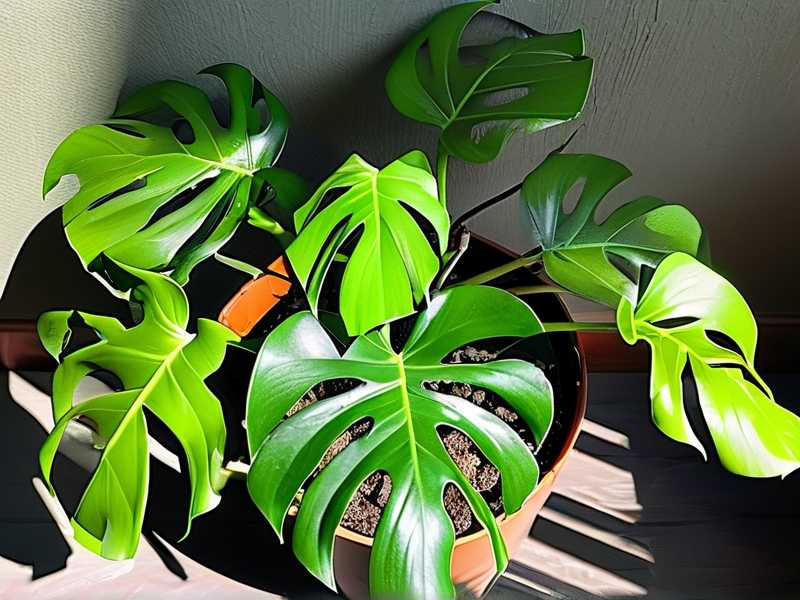
Week 1 – Day 7 (Watering Day): I took the plant to the sink. This is crucial. I watered slowly, pouring water evenly over the entire top surface of the soil. I used lukewarm water, not cold tap water. I kept pouring until I saw water streaming out of the bottom drainage holes. That’s called "bottom watering" done from the top. It ensures the whole root ball gets hydrated, not just the top inch.
The "Wait and Drain" Rule: I let it sit in the sink for 15 minutes. This allows any excess water to drain completely. I shook the pot gently. When no more drips came out, I returned the plant to its decorative outer pot. I made sure there was zero standing water in the saucer.
Week 2: Monitoring and Adjusting
Now that the plant is hydrated, the cycle starts again.
Day 8-10: I observed the leaves. They had perked up. The droopiness was gone. The stems were firm. The soil felt moist but not wet. I checked the weight of the pot daily. It was getting lighter.
Day 11: I checked the moisture meter. It showed "4". I moved the plant from my bathroom to my living room shelf. The light is brighter there. I could feel the soil drying out faster.
Day 12-13: The leaves looked amazing. I wanted to water it. It looked "thirsty" to me. But my finger test said no. The soil was dry on top, but my finger felt no moisture even at the second knuckle. Wait. I waited.
Day 14 (Second Watering): The pot was light again. The moisture meter read "1". The soil was crackly dry. This time, I did the sink soak again. Same procedure. It worked.
The key takeaway from my two weeks? You will water your Monstera more like every 7–10 days in summer, and every 14–21 days in winter. But never rely on the calendar. Rely on the weight of the pot and the finger test. It saved my plant.
The Sink Soak Method: Step-by-Step
Let me break this down explicitly. This is how you water without causing rot.
- Lift the pot. If it feels heavy, skip watering. If it feels light, proceed.
- Move to the sink. Remove the cover pot.
- Water slowly. Pour water evenly around the base of the stem, not directly on the stem itself. Wet the whole surface area.
- Wait. Let the water flow out of the holes. This flushes out built-up salts from fertilizer too. That’s a bonus.
- Drain completely. Wait 10-15 minutes until it stops dripping.
- Replace the pot. Ensure the outer pot is empty. No water at the bottom.
Choosing the Right Potting Mix
You can’t talk about watering without talking about soil. It’s a partnership. You need a "chunky" mix. Regular potting soil is too dense. It holds water like a sponge and suffocates the roots.
I make my own mix now. It’s simple.
- 50% Potting Soil (regular indoor mix)
- 30% Perlite (for aeration)
- 20% Orchid Bark (for drainage and chunks)
This is the secret sauce. The bark creates air pockets. The perlite helps water flow through quickly. This mix dries out much faster than regular dirt. It prevents that waterlogging that leads to root rot. You can buy specific "Aroid" mixes online too, or from your local nursery. It’s worth it. I tried using straight garden soil once. That was a disaster. It compacted and became like cement. The roots had no air. Learn from me. Use the chunky mix.
Signs You Are Overwatering (Catch It Early)
Even with the best intentions, you might slip up. Here are the symptoms I look for now. I check my plant every day for these signs.
- Yellowing Leaves: The bottom leaves turn yellow, not crisp brown. They feel mushy.
- Soft, Mushy Stems: The base of the stem feels soft when gently squeezed. A healthy stem is hard and firm.
- Soil Smells Musty: If the soil smells like rotten eggs or ammonia, that’s root rot bacteria.
- Fungus Gnats: Those tiny little flies that hover around the pot? They love damp soil. That’s a red flag.
What About Self-Watering Pots?
I get asked this a lot. They look so convenient. I tested one. I had a friend who used them for everything. Honestly, I don’t recommend them for Monstera. They rely on a water reservoir at the bottom. That wicking action keeps the soil constantly moist. Monsteras need that "wet-dry" cycle. They need to dry out completely. Those pots are better for moisture-loving ferns. For a Monstera, they are a death sentence. Skip them.
Light and Temperature: The Game Changers
If you have your watering down perfectly, your next variable is light. I learned this through trial and error. The more light your Monstera gets, the quicker it drinks. It’s that simple.
Place your Monstera in a spot with bright, indirect light. Think of a spot near a north or east-facing window. If you have a west or south window, keep the plant a few feet back from the glass. Direct sunlight can scorch the leaves, but the brightness helps the soil dry safely.
Temperature matters too. I keep my home around 70°F (21°C). In the summer, the sun heats the room, the soil dries faster. In the winter, with the heating on, the air is dry, but the soil often stays cold and damp. I always check that the pot feels light before watering in winter. Your plant slows down its growth in winter. It doesn't need as much water. It might go a month without needing a drink. Don't force it.
My Best Pro Tip: The Chopstick Test
I told you about the finger test. But sometimes, the soil is deep, and my finger isn't long enough. Enter the wooden chopstick. I stick a dried bamboo chopstick all the way to the bottom of the pot. I leave it there for 10 minutes.
- If it comes out clean and dry, you need to water.
- If it comes out with dark, damp soil stuck to it, wait a few more days.
It’s foolproof. I keep a specific chopstick in my plant's pot all the time now. It acts as my reminder. Honestly, this has been more reliable than my expensive moisture meter. The meter broke twice. A chopstick doesn't break.
Final Thoughts Before the FAQ
I’m telling you all this because I don’t want you to feel the panic I felt. I nearly gave up on plants after my third Monstera died. But this routine works. It’s not about magic. It’s about being a bit lazy and observant. Don’t hover over your plant with a watering can. Be patient. Let it dry out. The leaves will tell you when they need a drink. They droop slightly when the pot is bone dry. That's not a bad thing. It's their warning system. Underwatering is much easier to fix than root rot. A root-rotted plant rarely survives. A slightly thirsty one bounces back in hours.
I’ve also read up on the science behind this. Horticultural societies like the RHS emphasize the importance of drainage and aeration for container plants. They don't mince words about overwatering being the leading cause of indoor plant death. I trust their research. My personal experiments just confirmed what they’ve been saying for years.
FAQ: Your Common Questions Answered
Q: Should I mist my Monstera leaves instead of watering the soil? Misting does nothing for the roots. It raises humidity locally for about 30 seconds, but it doesn't hydrate the plant. That's a myth. The plant absorbs water through its roots. Over-misting can actually create a humid environment for fungal spots on the leaves. Focus on the soil, not the leaves. If you want to increase humidity, get a humidifier or place a pebble tray with water under the pot.
Q: My Monstera has curling leaves. Does it need water? Yes, that's usually a sign of underwatering. When roots are too dry, the plant curls its leaves to reduce moisture loss. Check the soil weight. If it's super light and dry, give it a good soak. But, sometimes, curled leaves can also mean the roots are damaged from overwatering and can't take up water. Check the roots. If they are white and firm, it's thirsty. If they are brown and mushy, you have rot. It's a confusing game, but the pot weight is your best guide.
Q: How do I fix root rot once I've discovered it? Act fast. First, unpot the plant. Remove all the soggy soil. Rinse the roots with tepid water. Look for the mushy, dark roots. They will be slimy. Get sterilized scissors and cut away ALL the rotten roots. Be aggressive. If you leave any rot, it spreads. Rinse the remaining healthy roots in a dilute hydrogen peroxide solution (1 part peroxide to 3 parts water) to kill bacteria. Then, repot in fresh, chunky, bone-dry soil. Do not water it for a week. Let the roots heal and callus over. This is a rescue mission. It doesn't always work, but it’s your only chance. I saved a plant this way once. It was worth the effort.
So, take a breath. Your Monstera is tough. It doesn't need babysitting. It needs boundaries. Give it a pot with holes, chunky soil, and a strict "only water when dry" rule. That’s the secret to that lush, tropical jungle look. Now, go check your pot and feel that soil. I bet it’s heavier than you think.