bluename
 How to Care for Single and Double Hippeastrum? Practical Care Tips
Seeing your hippeastrum (also known as amaryllis) fail to bloom or struggle with growth can be frustrating. Many gardeners face challenges with both single and double flowering varieties, from improper watering to inadequate light conditions. Understanding the specific needs of these stunning flowering plants will transform your gardening experience and ensure spectacular blooms season after season.
Understanding Hippeastrum Varieties
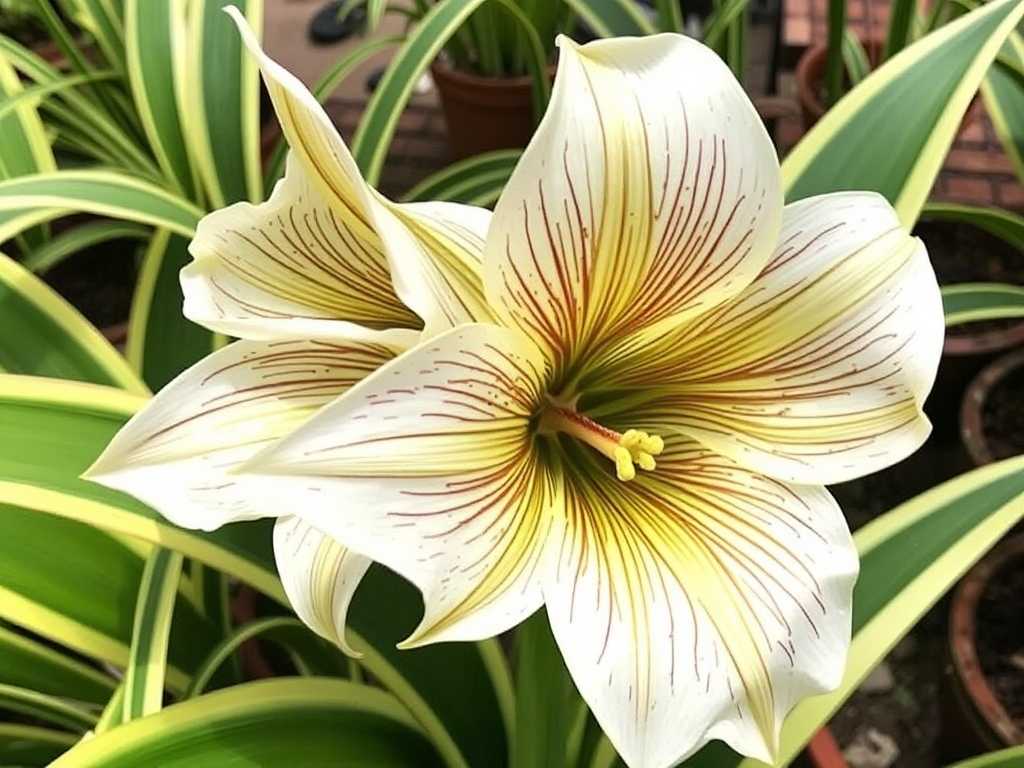
Single flowering hippeastrum varieties feature the classic trumpet-shaped flowers with six petals arranged in a single layer around the center. These traditional beauties include popular cultivars like 'Red Lion' with its vibrant crimson blooms and 'Apple Blossom' displaying delicate pink and white patterns. Single varieties typically produce stronger stems that can support their elegant flowers without staking.
Double flowering hippeastrum varieties create a dramatic display with multiple layers of petals, resembling peonies or garden roses. These luxurious flowers include stunning cultivars like 'Dancing Queen' with its red and white striped petals and 'Snow White' featuring pure white double blooms. The extra petal layers make these flowers heavier, often requiring additional stem support during their growth cycle.
The fundamental care requirements remain similar for both single and double hippeastrum varieties, though double-flowered types may need extra attention to stem support and nutrient requirements due to their more elaborate flower structures.
Optimal Planting Conditions
Proper planting sets the foundation for healthy hippeastrum growth. Begin with a well-draining potting mix, combining two parts loam, one part perlite, and one part compost. According to Royal Horticultural Society guidelines, the bulb should sit with its upper third exposed above the soil surface. This prevents bulb rot and encourages healthy development.
Choose containers that provide approximately 2 inches of space around the bulb. Terra cotta pots work exceptionally well as their porous nature helps prevent overwatering. Ensure each container has adequate drainage holes to protect against waterlogged soil conditions that can lead to bulb rot.
Watering Techniques for Healthy Growth
Mastering watering practices proves crucial for hippeastrum success. During active growth periods, water when the top inch of soil feels dry to the touch. Provide thorough watering until liquid drains from the bottom holes, then allow the soil to partially dry before watering again.
Reduce watering frequency significantly after flowering concludes and foliage begins yellowing. During dormancy, maintain just enough moisture to prevent the bulb from shriveling completely. Resume regular watering when you notice new growth emerging from the bulb's tip.
Light and Temperature Requirements
Hippeastrum plants thrive in bright, indirect light conditions. Position them near east or west-facing windows where they receive 4-6 hours of sunlight daily. Too much direct sun can scorch leaves, while insufficient light results in weak growth and limited flowering.
Maintain temperatures between 65-75°F during active growth periods. Cooler temperatures around 55°F help extend flower longevity once blooms appear. Avoid placing plants near heating vents, air conditioners, or drafty windows that cause sudden temperature fluctuations.
Fertilization Strategy
Feed your hippeastrum every two weeks during active growth using a balanced liquid fertilizer with equal NPK ratios. Switch to a bloom-boosting formula higher in phosphorus as flower buds begin forming. Discontinue fertilization when leaves start yellowing, signaling the plant's transition into dormancy.
Professional gardeners at Longwood Gardens recommend incorporating slow-release fertilizer into the soil during repotting to provide consistent nutrients throughout the growing season. This practice proves particularly beneficial for double varieties that require additional energy for their elaborate blooms.
Seasonal Care Calendar
Spring marks the active growth period for most hippeastrum plants. Increase watering frequency and begin regular fertilization as new growth appears. Rotate containers weekly to ensure even light exposure and symmetrical growth.
Summer care involves monitoring for common pests like spider mites and mealybugs. Wipe leaves regularly with damp cloth and provide adequate air circulation. Outdoor plants benefit from morning sun but require protection from intense afternoon heat.
Autumn signals the approach of dormancy. Gradually reduce watering and stop fertilization as leaves naturally yellow. Cut back foliage only after it has completely died back, allowing the bulb to absorb maximum nutrients for next season's growth.
Winter represents the flowering season for most hippeastrum varieties. Begin increased watering when flower buds appear and maintain consistent temperatures to support bloom development. Provide stake support for double varieties as their heavier blooms may cause stems to bend.
Common Problems and Solutions
Yellowing leaves often indicate overwatering or insufficient drainage. Check soil moisture levels and adjust watering practices accordingly. Ensure containers have proper drainage and consider repotting with fresh soil if root rot is suspected.
Lack of flowering typically results from inadequate dormancy periods or insufficient light exposure. Ensure your hippeastrum receives proper rest periods with reduced watering and cooler temperatures. Provide adequate bright light during active growth phases to support flower bud formation.
Pest management requires regular monitoring and prompt treatment. Isolate affected plants immediately and treat with insecticidal soap or neem oil applications. For severe infestations, systemic insecticides may prove necessary, though prevention through proper care remains the most effective strategy.
Frequently Asked Questions
Why won't my hippeastrum bloom after successful previous flowering? This common issue typically relates to insufficient dormancy periods or inadequate nutrition. Ensure your plant receives proper rest with reduced watering for 8-10 weeks. Implement regular fertilization during active growth and provide bright light conditions to support flower bud development.
How do I encourage my double hippeastrum to produce stronger stems? Double varieties benefit from higher light levels during growth phases and balanced nutrition. Use stakes for support when flowers appear, and consider supplementing with calcium-rich fertilizers to strengthen cell walls. Ensure consistent watering practices to prevent stress that can lead to weak stem development.
Can I force my hippeastrum to bloom at specific times? With proper planning, you can schedule hippeastrum blooms for specific occasions. Begin dormancy 10-12 weeks before desired bloom time by reducing watering and moving to cooler conditions. Resume regular care when you want growth to restart, with flowers typically appearing 6-8 weeks after breaking dormancy.
Successful hippeastrum cultivation requires understanding each variety's specific needs while mastering fundamental care techniques. Consistent attention to watering, light exposure, and seasonal requirements will reward you with spectacular blooms year after year. Whether growing single or double varieties, these stunning plants bring exceptional beauty to any indoor or outdoor garden space when provided with proper growing conditions and maintenance practices.