bluename
 How to Care for Big-Flowered and Small-Flowered Pansies? Core Care Methods
Are your pansies struggling to bloom despite your best efforts? Do you find yourself confused about whether big-flowered and small-flowered varieties need different care approaches? Many gardeners face these exact challenges when trying to maintain healthy, vibrant pansies throughout the growing season. Understanding the core care methods for both big-flowered and small-flowered pansies can transform your gardening experience and ensure spectacular blooms from spring through fall.
Understanding Pansy Varieties
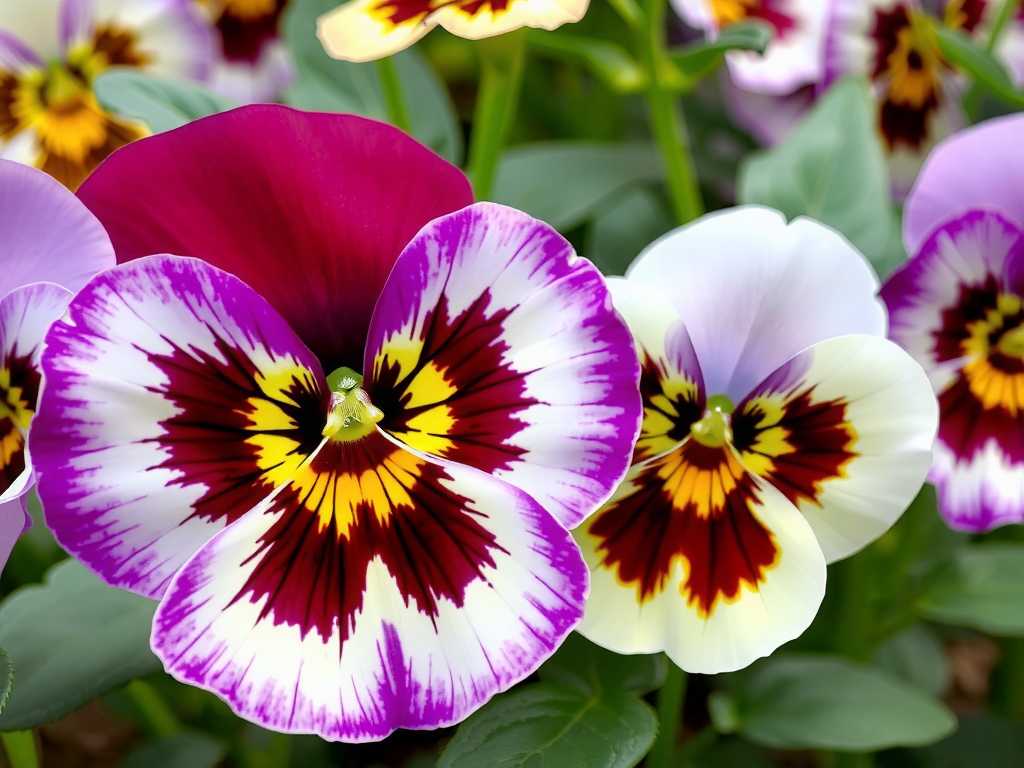
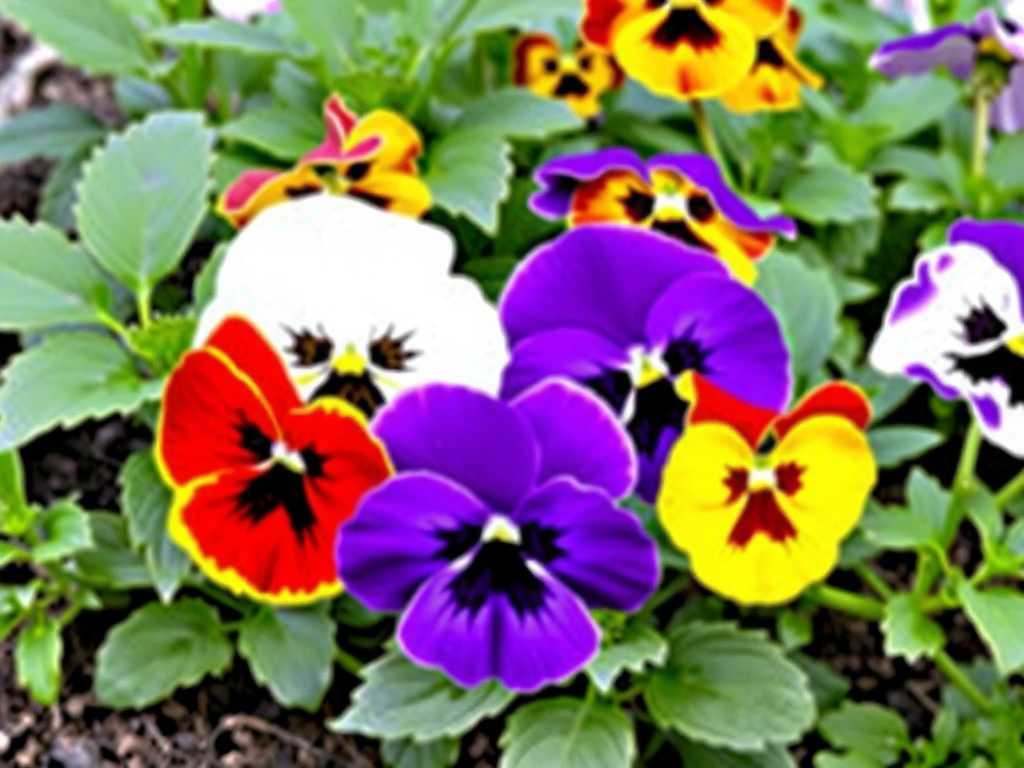
Big-flowered pansies typically produce blooms measuring 3-4 inches across, creating bold visual statements in containers and garden beds. These dramatic flowers often feature striking face patterns and vibrant colors that command attention. Small-flowered varieties, sometimes called violas, generally produce abundant 1-2 inch blooms that create a carpet of color. Though individually smaller, they compensate with incredible flower production.
Both types belong to the Viola family and share similar growth habits, but their flower size differences do translate to some distinct care requirements. Recognizing these subtle differences will help you provide optimal care for whichever variety you choose to grow.
Essential Planting Fundamentals
Successful pansy care begins with proper planting techniques. These charming flowers thrive in cool weather, making early spring and fall the ideal planting times. Select a location that receives morning sun but enjoys afternoon shade, particularly in warmer climates. This balance helps prolong blooming while preventing heat stress.
Prepare well-draining soil enriched with organic compost. Pansies prefer slightly acidic to neutral soil with a pH between 5.4 and 6.2. Space plants according to their mature size—big-flowered varieties typically need 8-10 inches between plants, while small-flowered types can be spaced 6-8 inches apart. Proper spacing ensures adequate air circulation, which helps prevent fungal diseases.
Watering Strategies for Optimal Growth
Consistent moisture represents the cornerstone of healthy pansy development. These plants prefer evenly moist soil but cannot tolerate waterlogged conditions. Implement a watering routine that provides approximately 1 inch of water weekly, adjusting based on rainfall and temperature conditions.
Big-flowered pansies often require more precise moisture management, as stress can directly impact bloom size and quality. Small-flowered varieties tend to be somewhat more drought-tolerant once established but still perform best with consistent moisture. Water early in the day to allow foliage to dry completely before evening, reducing disease risk.
Nutrition and Fertilization Techniques
Proper feeding significantly impacts both flower size and quantity. Begin with a balanced, slow-release fertilizer at planting time. As plants establish, transition to a bloom-boosting fertilizer higher in phosphorus to support flower production.
Big-flowered varieties benefit from slightly higher fertilizer rates to support their substantial blooms. Apply a water-soluble fertilizer every 2-3 weeks during active growth periods. Small-flowered pansies respond well to consistent but lighter feeding schedules. Many experienced gardeners recommend alternating between root-focused and bloom-focused fertilizers throughout the season.
Deadheading and Maintenance Practices
Regular deadheading represents one of the most effective ways to extend your pansy's blooming period. For big-flowered varieties, remove spent blooms by pinching the stem just above the first set of leaves. This practice prevents seed formation and encourages the plant to produce new flowers rather than directing energy toward seed development.
Small-flowered pansies can be tedious to deadhead individually due to their abundant blooms. Instead, use clean scissors or shears to trim back the entire plant by about one-third every few weeks. This approach rejuvenates the plant and stimulates fresh growth and flowering. Always disinfect your tools between plants to prevent disease transmission.
Seasonal Care Considerations
Pansies thrive in cool conditions but require different approaches as seasons change. In spring, protect young plants from late frosts using garden fabric or cloches. As temperatures warm, ensure adequate moisture and provide afternoon shade to extend blooming.
For fall plantings, focus on establishing strong root systems before winter. In regions with mild winters, pansies may continue blooming intermittently. Apply a protective mulch layer after the ground freezes to prevent winter damage. The National Gardening Association recommends using pine straw or shredded leaves for optimal winter protection.
Pest and Disease Management
Healthy pansies occasionally face challenges from pests like aphids, slugs, and spider mites. Regular inspection helps catch infestations early. For minor issues, a strong water spray often dislodges pests effectively. More significant problems may require horticultural soap or neem oil applications.
Common diseases include powdery mildew, root rot, and leaf spot. Proper spacing, adequate air circulation, and avoiding overhead watering significantly reduce disease incidence. Dr. Evelyn Washington, plant pathologist at the Royal Horticultural Society, emphasizes that "prevention through proper cultural practices remains the most effective disease management strategy for pansies."
Can I grow big-flowered and small-flowered pansies together in the same container? Absolutely! These varieties complement each other beautifully in mixed plantings. The large blooms create focal points while smaller flowers fill spaces and spill over edges. Ensure your container has adequate drainage and increase fertilization slightly to support both plants' needs.
Why are my big-flowered pansies producing smaller blooms than expected? This commonly results from inconsistent watering, insufficient sunlight, or nutrient deficiencies. Ensure plants receive at least 4-6 hours of morning sun and maintain consistent soil moisture. Try supplementing with a bloom-enhancing fertilizer higher in phosphorus to support larger flower development.
How can I encourage more blooms on my small-flowered pansies? Regular trimming represents the most effective method to boost flowering. Every 3-4 weeks, use clean shears to remove about one-third of the growth. Follow this with application of a balanced liquid fertilizer. This practice stimulates new growth branches, each capable of producing additional flowers.
Whether you're growing the dramatic large-flowered varieties or the abundant small-flowered types, success lies in understanding their subtle differences while mastering their shared requirements. Consistent moisture, appropriate nutrition, and regular maintenance form the foundation of vibrant pansy displays. By implementing these core care methods, you'll enjoy months of colorful blooms that enhance your garden's beauty and bring continuous delight throughout the growing season.