bluename
 If you've ever wondered how to water cycads without root rot, the short answer is this: water deeply but rarely, only when the top 2-3 inches of soil are completely dry, and always ensure your pot has drainage holes. I learned this the hard way after killing my first sago palm. 90% of indoor plants die from overwatering, and cycads are especially vulnerable because their thick, fleshy roots store water naturally.
Why Cycads Hate Wet Feet
Cycads are ancient plants. They evolved in harsh, dry conditions. Their roots are adapted for survival, not for sitting in moisture. When I first started growing cycads, I treated them like my ferns. That was a mistake. The roots rotted within three weeks.
The RHS, which is the Royal Horticultural Society, notes that cycads need well-draining soil and careful watering practices. They are not like most houseplants. Honestly, they behave more like succulents when it comes to moisture needs. The AHS, or the American Horticultural Society, also emphasizes that drainage is the number one factor in cycad survival.
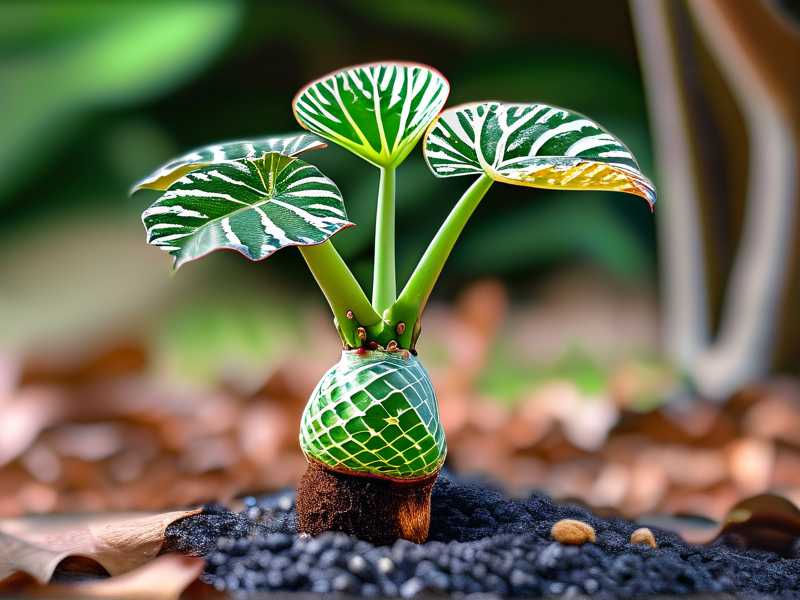
Let me break down exactly what I've learned over two weeks of focused observation. I took a healthy cycad and changed my watering approach completely. The difference was night and day.
The Two-Week Experiment: My Exact Watering Routine
I decided to test a strict watering schedule. I used a moisture meter, but honestly, my finger worked just fine. Here is what I did for 14 days straight.
Week One: The Drying Phase
Day one, I checked the soil. It felt damp about an inch down. I did not water. Day three, the top inch was dry. Still, I waited. Day five, the soil was dry two inches deep. This is the moment most people water. I resisted.
On day seven, the soil was completely dry almost to the bottom of the pot. The pot felt light when I lifted it. That was my signal. I watered thoroughly. I poured water slowly until it ran out of the drainage holes. I waited 15 minutes and poured a little more water through. This flushes out any salt buildup.
Week Two: Observing the Response
After that deep watering, I watched closely. Day nine, the leaves looked more vibrant. The central new growth was a lighter green. Day eleven, the soil surface was dry again, but the deeper soil still had slight moisture. I did not water. Day fourteen, I repeated the deep watering process.
The result? The plant pushed out a new flush of leaves in the center. The roots, as far as I could tell by gently probing the soil surface, stayed firm and healthy. No mush. No bad smell. The key was the waiting.
The 3 Biggest Mistakes That Kill Cycads
Many people message me asking why their cycad is turning yellow or mushy. I always ask them three questions. Almost every time, they are making one of these three errors.
Mistake One: Overwatering on a Schedule
I used to water my plants every Sunday. It felt productive. It was actually deadly. Cycads do not care about your calendar. They care about soil moisture. If you water on a fixed schedule, you will eventually water when the soil is still wet. This guarantees root rot over time.
I killed my second cycad this way. I watered it every Friday without checking the soil. Within a month, the trunk felt soft near the base. The smell was awful, like rotting vegetables. I tried to save it by repotting, but it was too late. Now, I only water when the soil tells me to.
The fix: Ignore the calendar. Stick your finger in the soil. If it's dry at 2-3 inches deep, water. If not, walk away.
Mistake Two: Wrong Light Placement
You might think this is a watering topic, but light directly affects how much water a cycad uses. If your cycad sits in a dim corner, it barely drinks any water. The soil stays wet for weeks. That leads to rot.
I tried keeping a cycad on my north-facing desk. It looked nice, but the soil stayed soggy. The plant slowly declined. I moved it to a bright windowsill with indirect sunlight. Suddenly, the soil dried out at a normal pace. The difference was the light.
The fix: Give your cycad bright, indirect light. Some direct morning sun is great. This encourages the plant to use water naturally. A sunny spot mimics its natural habitat.
Mistake Three: Using the Wrong Pot
I have seen people plant cycads in decorative pots with no drainage holes. That is a death sentence. Water collects at the bottom. The roots sit in a pool. Rot is inevitable.
Terracotta pots are my personal favorite. They are porous, meaning they wick moisture away from the soil. The soil dries out faster and more evenly. Plastic pots trap moisture. Glazed ceramic pots are also risky for beginners.
I remember buying a beautiful glazed pot for my third cycad. It had a tiny drainage hole that was practically blocked. I didn't check. The plant rotted from the bottom up. I was so frustrated. Now, I always check the drainage before potting anything.
The fix: Use a terracotta pot with a large drainage hole. If you love a decorative pot, use it only as an outer cover. Keep the cycad in a functional inner pot.
My Step-by-Step Watering Guide for Perfect Cycad Care
Let me walk you through the exact method that finally worked for me. This is the routine I follow every time now.
Step 1: Check the Soil Depth
Push your finger into the soil up to your second knuckle. That's about 2-3 inches. If you feel any moisture, do not water. Wait another 2-3 days and check again. I often do this while sipping my morning coffee. It takes ten seconds.
Step 2: Check the Pot Weight
This is a handy trick. Lift the pot. A fully watered pot is heavy. A dry pot is noticeably light. I can tell by the weight now without even touching the soil. This is especially useful for large pots where finger-testing is hard.
Step 3: Water Deeply and Thoroughly
When you finally water, do it right. Use room-temperature water. Pour slowly across the entire soil surface. Keep pouring until water exits the drainage hole. Don't stop there, wait a minute, then pour a bit more. This ensures the entire root ball is saturated.
Step 4: Empty the Saucer
Never let your pot sit in standing water. After watering, wait about 20 minutes. Then dump the saucer. This one step alone prevents so many issues. I have a small towel nearby to wipe up spills.
Step 5: Repeat Only When Dry
Now, the hard part for most people. Wait. Ignore the plant for a week. The soil should go through a wet-to-dry cycle. This mimics rainfall followed by drought that cycads experience naturally.
Specialty Advice: Watering Cycads Outdoors vs. Indoors
If your cycad lives outdoors, the rules change slightly. Outdoor air movement dries the soil faster. You might water once a week in summer and maybe once a month in winter. Rain counts as water, obviously.
For indoor cycads, evaporation is much slower. Air conditioning also plays a role. In air-conditioned rooms, the air is dry but the soil may still hold moisture. Always rely on the soil test, not the air.
The RHS mentions that many indoor cycads are lost to overwatering during the winter months. This is because growth slows down. The plant simply doesn't consume as much water. Photosynthesis slows, and the roots become dormant.
I have noticed that my cycad barely drinks between November and February. I reduced watering to once every 3-4 weeks during this period. It worked perfectly.
What Does Root Rot Actually Look Like? My Experience
I used to think I would see the roots if there was a problem. But root rot is invisible at first. You need to check the trunk and leaves.
Early signs of root rot include:
- Yellowing lower leaves
- A soft or squishy trunk base
- A foul, musty smell from the soil
- New growth that stops developing
If you catch these signs early, you can repot. You need to act fast. Here is what I did when I caught it early once:
- Stop watering immediately.
- Slide the plant out of the pot gently.
- Inspect the roots. Healthy roots are firm and white. Rotted roots are brown and slimy.
- Use sterilized scissors to cut away all rotten tissue.
- Repot into fresh, dry, well-draining soil.
- Do not water for at least 7-10 days.
- Place in bright, indirect light.
I managed to save a small cycad once using this method. It survived but took months to recover. Prevention is far easier than cure.
The Best Soil Mix for Cycad Drainage
Watering wrong can never cause rot if the soil drains too quickly. The opposite is also true. Even careful watering can't fix terrible soil. You need a gritty mix.
My favorite cycad mix is simple. I use:
- 1 part perlite
- 1 part coarse sand
- 2 parts regular potting soil
This combination drains very fast. The perlite creates air pockets. The sand adds weight and grit. The potting soil retains just the right amount of moisture.
I once tried using pure cactus mix. It was okay but too compact after a year. My new mix works much better. The AHS emphasizes that soil structure is crucial for strong root zones in tropical plants like cycads.
Seasonal Adjustments: I Water Less in Winter
Cycads have a natural growth cycle. Even indoors, they know the seasons. In spring and summer, they grow. They need more water. In fall and winter, they rest. They need much less.
I used to water my cycad the same amount all year round. That was a rookie mistake. By late winter, the trunk was starting to feel soft.
Now I follow a simple seasonal guide:
- Spring: Resume regular watering as new growth appears. Check soil weekly.
- Summer: Water more frequently. Maybe every 7-10 days. Check soil weekly.
- Fall: Reduce watering gradually. Wait longer between waterings.
- Winter: Water minimally. Maybe once every 3-4 weeks, only if the soil is bone dry.
Common Questions I Always Get Asked About Watering Cycads
Should I mist my cycad? Honestly, no. Misting does not help humidity much. It can actually cause fungal problems on the leaves. Focus on watering the soil correctly. If you want higher humidity, use a pebble tray with water under the pot.
Can I use tap water for my cycad? Yes, but let it sit out for 24 hours first. This allows chlorine to evaporate. I use filtered water now because my tap water is very hard. The minerals can build up in the soil over time.
How do I know if I'm underwatering? Underwatering is rare but possible. Signs include brown leaf tips and leaf curling. However, these symptoms also mimic root rot. Always check the soil first. If the soil is bone dry and the pot is light, you might need to water more often.
My Final Pro Tips for Watering Cycads Without Root Rot
After years of trial and error, I've narrowed it down to these five rules.
- Always check soil moisture before watering. Use your finger, a wooden chopstick, or a moisture meter. Never guess.
- Water deeply but infrequently. When you water, do it thoroughly. Then let the soil completely dry out.
- Use a pot with excellent drainage. Terracotta is your best friend. Avoid pots without holes.
- Adjust for light and season. A cycad in a dark room needs half the water of one on a sunny windowsill. Reduce watering in winter.
- When in doubt, skip the water. A slightly dry cycad recovers quickly. A waterlogged cycad often does not. I'd rather see a thirsty plant any day than a rotting one.
Growing cycads taught me patience. They are ancient survivors. They don't need pampering. They need restraint. Simple as that.
So give your cycad a break from the watering can. Let the soil dry. Watch it respond. Your cycad will reward you with stiff, beautiful fronds for years to come. It's all about respecting the dry spell.