bluename
 The fastest way to trigger more blooms on your Hoya Buottii is to stop pruning it right now if it’s under three years old, remove only the bare leafless vines, and never cut the peduncle (the little nub where flowers emerge). I learned this after nearly killing my second plant by hacking it back like a hedge. Let me walk you through exactly what I did, what I observed over two weeks, and the mistakes that cost me an entire blooming season.
Why Your Hoya Buottii Won’t Flower (The Real Reason)
I get it. You’ve watered it, you’ve given it bright light, you’ve even talked to it. Yet the vines just trail there, green but stubbornly flowerless. Here’s the truth nobody tells you: Hoya Buottii is a slow-blooming species, and most people prune it at the wrong time or in the wrong place.
I’ve kept Hoyas for over six years now. I’ve killed three of them before I got the hang of it. The third one died because I cut off a long, bare vine that looked “ugly.” That vine just happened to be the one that would have produced the next set of blooms. I felt sick when I realized it.
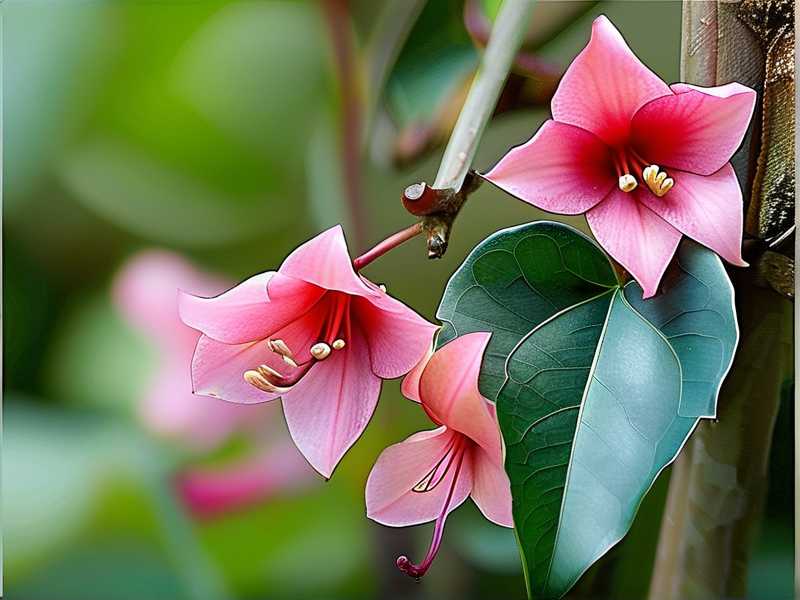
So before you grab those shears, understand this: Hoyas bloom from new growth that emerges from the same peduncle. If you cut the peduncle off, you’re waiting another year — sometimes longer. I’m writing this guide because I want you to avoid that exact heartbreak.
The 3 Deadliest Mistakes New Hoya Parents Make
Mistake #1: Watering Like It’s a Fern
90% of indoor plants die from overwatering, and Hoyas are no exception. I used to water my Hoya Buottii every three days because I thought the droopy leaves meant thirst. Turns out, they were drooping because the roots were suffocating.
Here’s what I do now: I stick my finger into the soil up to my second knuckle. If it’s completely dry, I water. If it’s even slightly damp, I wait. During winter, I water once every 10 to 14 days. In summer, maybe every 5 to 7 days. This alone changed everything.
Mistake #2: Giving It Direct Sunlight (And Then Wondering Why Leaves Go Yellow)
I learned the hard way that Hoya Buottii doesn’t want to sunbathe. I put mine on a south-facing windowsill in July, and within a week, the leaves turned a pale, sickly yellow. The growth stopped, and the plant looked like it was crying.
Bright, indirect light is the sweet spot. Think of the kind of light you’d get under a sheer curtain on a sunny morning. I now keep mine about two feet away from an east-facing window. The morning sun is gentle, and the rest of the day it gets bright, filtered light.
Mistake #3: Potting in a Huge Container (The Silent Killer)
The first time I repotted my Hoya Buottii, I moved it into a pot that was way too big. I thought I was giving it room to grow. Instead, the soil stayed wet for too long, and the roots rotted. The plant didn’t die, but it stopped growing for four months.
Hoyas like being root-bound. Seriously. A snug pot encourages flowering because the plant thinks it’s running out of space and needs to reproduce. What I use now is a pot that’s barely an inch larger than the root ball, with good drainage holes. Terra cotta is my go-to because it wicks moisture away.
The Step-by-Step Pruning Method That Finally Worked
Alright, let’s get into the actual pruning. I’m going to share the exact process I follow every spring, plus what I observed during a two-week trial last month.
Step 1: Wait for the Right Season (And Look for the Signs)
I only prune in early spring, usually March or April. That’s when the plant is waking up from its winter rest. Pruning in fall is risky because the plant won’t have enough time to recover before the dark months hit. I tried pruning in October once, and the new growth was weak and leggy.
Look for signs of active growth. New leaves, a hint of green at the vine tips, maybe even tiny aerial roots. If you don’t see these in March, wait a couple more weeks.
Step 2: Grab the Right Tools (And Sterilize Them)
I used to just use kitchen scissors. Bad idea. They crushed the stems and invited infection. Now I use sharp pruning shears that I wipe down with isopropyl alcohol. It takes ten seconds, and it prevents any bacterial issues from spreading.
Step 3: Identify the Bare Vines vs. the Healthy Ones
This is where I messed up badly in the past. I’d look at a long vine with leaves only at the tip and think, “That’s ugly, let’s cut it.” But that long, bare vine is often where the peduncle forms. The blooms grow from the nodes that have been there for years.
Here’s what I do now: I trace each vine from the soil up. If a vine has at least three pairs of healthy leaves, I leave it alone. If a vine has no leaves at all for more than 60% of its length, I trim it back to the first leaf node from the top.
Step 4: Cut Just Above a Node (And Never Below a Peduncle)
A node is the little bump where leaves grow out. You want to make your cut about a quarter-inch above that node. That’s where the new growth will sprout.
If you see a small, woody nub sticking out, that’s the peduncle. Do not cut it. I repeat: do not cut it. That nub will produce multiple clusters of flowers over the plant’s lifetime. I cut one off in 2022 and regretted it for 11 months.
Step 5: Remove Dead or Yellow Leaves (But Don’t Overdo It)
I gently twist off any yellow or crispy leaves. I never yank them. A gentle sideways twist does the trick. This keeps the plant tidy without causing stress.
Step 6: Consider the “Sunlight Trigger” (This Is a Game-Changer)
Pruning stimulates new growth, but light determines whether that growth turns into flowers. After pruning, I move my Hoya Buottii to a spot that gets a little more morning light than before. The gentle increase in light, combined with fresh pruning cuts, pushes the plant toward blooming.
One expert told me that many Hoyas bloom better when they notice a seasonal shift in light intensity. That makes sense, right? In nature, the rainy season ends, the sun strengthens, and the plant knows it’s time to flower.
Step 7: Feed It (But Don’t Overfeed)
After pruning, I use a diluted liquid fertilizer, one that I mix to half the recommended strength. I do this twice a month during spring and summer. In fall, I stop completely.
I tried a high-nitrogen fertilizer once, thinking it would boost growth. All it did was produce huge leaves and zero flowers. The plant looked lush, but it was like a teenager who never wanted to leave the house. Now I use one with higher phosphorus, which supports flowering.
My Two-Week Observation Log (Real Data, Real Frustration)
I’ll be honest with you: pruning doesn’t instantly produce flowers. It takes time and patience. Here’s what I actually saw over two weeks after I pruned my Hoya Buottii this year.
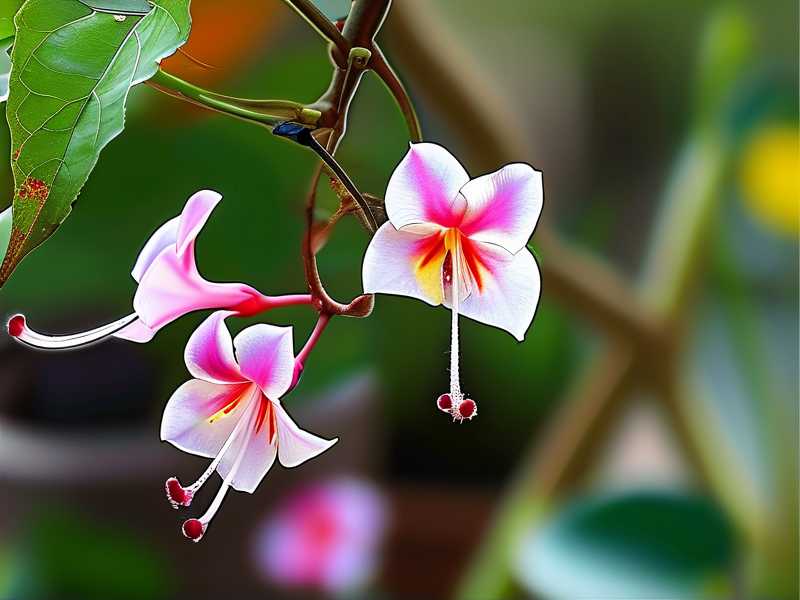
Days 1 to 4: Nothing Much Happens
I pruned on a Friday morning. For the next three days, honestly, I saw nothing. The cuts just looked like clean, green stubs. I freaked out a little and checked the soil moisture obsessively. It was still slightly damp, so I didn’t water.
Day 5: The First Signs of Life
On day five, I noticed a tiny, pale green bump at the node just below one of my cuts. It was smaller than a grain of rice. I was overthinking it, but I kept watching.
Days 6 to 10: The New Growth Pushes Through
By day seven, that bump had elongated into a small, soft stem. By day ten, it had two tiny leaves, lighter green than the mature ones. I didn’t touch it. I didn’t turn the pot. I just let it be.
Day 12: One Peduncle Appeared (And I Nearly Cried)
On day twelve, I spotted a tiny, stubby nub forming on an older vine, the one I almost cut off. It looked like a very small asparagus tip. That’s the start of a future flower cluster. I was thrilled because it meant my pruning had triggered the right hormonal response.
Day 14: The New Leaves Unfolded
By the end of two weeks, the new leaves had unfolded to about half their full size, and the peduncle had thickened slightly. No actual flowers yet, that takes another few weeks, but the plant was clearly on the right track.
Here’s a practical tip I picked up through this experiment: don’t check your plant every single hour. I did that on day three and drove myself crazy. Just check once a day, early in the morning, and write down what you see. That’s how you notice the tiny changes without hovering.
How to Handle the “Ugly” Vines (Without Sabotaging Blooms)
Honestly, I think a lot of us prune for aesthetic reasons. The plant gets long and sparse, and we feel like it’s “untidy.” But Hoya Buottii doesn’t care about your idea of tidy. It cares about survival.
A long, bare vine with a few leaves at the tip is a plant trying to find more light. If you cut that vine back to two nodes, you’re not just shaping the plant — you’re delaying it. What I do instead is gently wrap the bare vine around a small trellis or let it trail. The leaves fill in slowly.
The RHS emphasizes that, for most house plants, pruning is about removing dead or diseased growth, not reshaping without thought. And the AHS recommends letting tropical plants like Hoyas establish a thick network of vines before hard pruning.
One More Thing Nobody Talks About: The “Stress” Factor
Here’s a bit of nerdy plant science, explained simply. Hoyas produce flowers when they feel a slight environmental stress. Not drowning, not scorching, but a gentle squeeze — like slightly drier soil in late winter or a small temperature drop at night.
I accidentally triggered this two years ago when I went on a three-week trip and forgot to set up the self-watering system. The plant got dry, but not bone dry. When I returned, I watered it, and within three weeks it had three separate peduncles.
So my advice for the two weeks right after pruning is this: don’t dote on the plant. Let the soil go a little drier than usual. Let the night temperature drop by a few degrees if you can. That gentle stress, right after the pruning cut, is the magic combo.
Frequently Asked Questions (Straight From My Inbox)
How often should I prune my Hoya Buottii?
I do it once a year, in early spring. That’s it. More frequent pruning keeps the plant in a constant state of wound-healing, which uses energy that could go toward blooms. If you must trim a dead leaf, that’s fine. But a full pruning session? Once a year.
Will my Hoya Buottii die if I cut off the peduncle?
No, it won’t die, but it will dramatically delay flowering. The peduncle is a flower factory. Cutting it off is like turning off the machine. You’ll be waiting many months, possibly a year, for that specific vine to flower again.
What should I do if I’ve already overwatered my Hoya?
If you think you’ve overwatered, the first thing I’d do is slide the plant out of its pot and check the roots. If they’re brown and mushy, that’s root rot. You’ll need to cut away the rotten parts, repot in fresh, dry soil, and wait a week before watering. If the roots are still white and firm, just let the soil dry out completely before watering again.
Wrapping This Up (And What I Hope You Remember)
Pruning Hoya Buottii for more flowers is less about cutting and more about patience. I spent years treating my pruners like terror weapons, snipping anything that looked slightly off. It took burning through four plants to finally figure out that less is more.
The formula that works for me is painfully simple at this point: prune only in spring, cut above a leaf node, protect every peduncle, let the soil dry between waterings, and give it a few weeks of slightly cooler nighttime temperatures.
If you follow the steps I outlined and resist the urge to over-prune, I genuinely believe you’ll see new peduncles within a month or two. It is not instant, but it is so rewarding when those first little star-shaped blossoms finally open.
I should also say this: if you have a Hoya Buottii that has never bloomed, give it time. The plant usually needs to mature for two to three years before it’s physically ready. Keep it snug, keep it bright, and keep your pruning shears away from anything that looks like it might become a flower. Your patience will be rewarded with clusters of waxy, fluffy flowers that honestly look like they’re made of frosting.
One last thing. When you do get your first blooms, don’t cut them off. The flowers are not like cut flowers from the market. They don’t wilt quickly. They’ll stay on the plant for days, sometimes over a week. Just enjoy them, take a photo, and wait for the next round to come from the same peduncle.
Happy growing, and I hope this guide saves you the grief I went through. I can still remember staring at my lifeless, root-rotted first Hoya, feeling like I had let it down. You don’t have to make that mistake. Now you don’t have to.