bluename
 How to Water Ferns Without Root Rot (Pro Tips)
Let me be direct with you: the answer is to water deeply but infrequently, check the soil with your finger before every watering, and only water when the top inch feels dry. That's the whole secret. I killed four ferns before I figured this out. And here's the part nobody tells you: 90% of indoor plants die from overwatering, not underwatering. Ferns are especially dramatic about it.
I remember the first Boston fern I ever bought. It was lush and green at the store. I brought it home and watered it every two days because I thought that's what "loves moisture" meant. Within three weeks, the fronds turned yellow and the soil smelled awful. That's root rot. The roots were drowning in soggy soil with no oxygen. I had no idea I was the problem.

So if you're here because your fern looks sad, soggy, or yet another one is turning brown at the base, I wrote this guide for you. I'll share exactly what I learned from killing plants, what I do now, and how you can water your fern the right way.
Why Ferns Get Root Rot So Easily
Ferns naturally grow on forest floors. They're used to dappled light and moist, well-draining soil. That last part is critical. Moist, not soggy. In nature, rain filters through the canopy and drains away. The soil stays damp but never waterlogged. Our homes are completely different. We put ferns in pots with poor drainage and then water them like they're thirsty every day. That's the mismatch.
When you water too often, the soil stays saturated. The roots can't breathe. Anaerobic bacteria start multiplying. The roots literally rot. Once that happens, the plant can't take up water anymore. So it wilts. You see wilting and think "oh, it needs more water." You water again. And that's how you kill a fern with kindness.
There's a quote from the RHS that stuck with me: "More houseplants are killed by overwatering than under-watering." They're absolutely right. I wish I'd read that before my first fern funeral.
Another thing I learned the hard way: ferns in terracotta pots dry out faster than plastic ones. But they also avoid root rot better because the pots breathe. I'll cover pots in a minute, but keep that in your head.
The 3 Fatal Mistakes Every Beginner Makes
I want to save you from the pain I went through. So here are the three mistakes that killed my ferns, and probably yours too.
Mistake #1: Watering on a Schedule
This is the big one. "I water every Monday and Thursday." Why? Because someone on a forum said so. That's not how plants work. Your fern doesn't know what day it is. It only cares about moisture levels.
I used to water my maidenhair fern every evening after work. It was a ritual. And every evening I was slowly drowning it. The pot had no drainage holes. The water had nowhere to go. The roots sat in wet mud for weeks. By the time the fronds started browning, the root system was mush.
The fix is simple: stop scheduling. Use your finger. Stick it an inch into the soil. If it feels damp, wait. If it feels dry, water. That's the entire method. It sounds too simple, but it works.
Mistake #2: Giving Ferns the Wrong Light
I know this is a watering guide, but hear me out. Light plays a huge role in how fast the soil dries out. If you put your fern in a dark corner, the water won't evaporate quickly. The soil stays wet longer. And wet soil leads to root rot even if you're watering correctly.
I used to put my ferns on a bookshelf far from any window. I thought "ferns like shade, right?" They do like indirect light. But my bookshelf was almost pitch black. The fern was in a constant state of damp. Roots were rotting while the fronds were reaching for light that didn't exist.
I moved it near a north-east window with bright, indirect light. The soil dried out at a healthy pace. The fern started pushing out new fronds within two weeks. Same watering routine, but the light changed everything.
Mistake #3: Using the Wrong Pot
Another lesson I paid for. I bought a beautiful ceramic pot with no drainage hole. It looked great on my shelf. It slowly killed my staghorn fern. Water pooled at the bottom, invisible. I couldn't see it because the pot was opaque. And the roots were sitting in that hidden pool for over a month.
The AHS suggests that drainage is the single most important factor in container gardening. I couldn't agree more. You need a pot with drainage holes. No exceptions. I also recommend a plastic nursery pot inside a decorative outer pot. That way, you can lift the inner pot and check moisture from below. Or just tip the whole thing after watering and let excess water drain away.
If your pot doesn't have drainage, fix that today. Drill a hole if you have to. Seriously. Your fern's life depends on it.
What I Learned After Killing 5 Ferns
Let me tell you about my slow, painful education. I started with a Boston fern. Dead. Then a maidenhair. Dead. Then a staghorn. Dead. Then a rabbit's foot fern that I somehow resurrected. And a bird's nest fern that I got right.
The rabbit's foot fern was my turning point. I noticed that the fuzzy rhizomes on top of the soil were turning brown and mushy. That's a classic sign of overwatering. I repotted it into a coarse, airy mix with orchid bark and perlite. I added a layer of pebbles at the bottom of the pot for extra drainage. And I changed my watering habit entirely.
I started checking the soil with my finger every day. I stopped watering on a fixed schedule. I only watered when the top inch felt dry to the touch. And I watered slowly, until water ran out of the drainage holes. Then I let it drain completely. No more saucer water sitting overnight.
The transformation took about two weeks. At first, the fern still looked rough. Old fronds kept browning. But after ten days, I noticed new fiddleheads curling up at the base. That was the signal. The plant finally had healthy roots. I almost cried. Okay, I did cry a little.
Here's what I want you to take from this story: the plant will bounce back if you fix the root zone. But you have to be patient for about two weeks. During that time, check the soil daily. Resist the temptation to water. Just let the roots recover.
My Step-by-Step Fern Watering Routine
Now let me give you my exact routine. I've used this on Boston ferns, maidenhair, bird's nest, and staghorn ferns. It works. But you have to adjust the frequency to your home's temperature and humidity.
Step 1: Check the Soil Before Everything
Every morning, I grab my fern's pot and stick my index finger about an inch into the soil. If it feels moist, I skip watering. If it feels barely damp or dry, I move to step two.
You can also lift the pot. If it feels light, the soil is dry. If it's heavy, there's still water in there. I do both checks. Finger first, then weight. It takes ten seconds.
Step 2: Water Deeply and Slowly
When the soil is dry enough, I water. Not a splash. Not a sprinkle. I water deeply and slowly until water flows out of the drainage holes. For a six-inch pot, that's usually a cup or two of water, poured over several minutes.
I let it soak in, pour a bit more, let it soak, and pour again. This way, the water reaches the bottom of the root ball instead of just wetting the top inch.
Step 3: Drain Thoroughly
This step is non-negotiable. After watering, I let the pot sit in the sink for fifteen minutes. All the excess water drips out. Then I dry the bottom of the pot with a towel and return it to its saucer.
The saucer should never have standing water. Ever. If your fern is sitting in a puddle, you've already started the countdown to root rot. I know I keep repeating this, but it's the most important thing.
Step 4: Adjust for the Season
In winter, my ferns need water once a week at most. In summer, maybe every three to four days. The heating and cooling in my house changes the drying speed. So I adjust. You should too. That's why the "check with your finger" method never fails.
Step 5: Watch the Plant's Response
After two weeks of this routine, your fern should show new growth. The old brown fronds might die back, and that's okay. You're not reviving the dead fronds; you're saving the roots. Cut away the brown parts with clean scissors. Let the new fronds take over.
The Best Soil Mix for Ferns
I need to talk about soil because it goes hand in hand with watering. Regular potting mix is too dense. It holds too much water and suffocates fern roots. I tried it, and my ferns hated it.
My current mix is one part peat moss or coco coir, one part perlite, one part orchid bark. The perlite creates air pockets. The bark adds drainage. The peat or coir retains just enough moisture. It's a balanced ecosystem for roots.
If you don't want to mix your own, look for a mix labeled "African violet" or "epiphyte" mix. They're usually light and airy enough. Or just add twenty percent perlite to any normal potting soil. That alone helps a lot.
The RHS recommends coarse material like perlite or grit to improve drainage in houseplant compost. I read that and realized my instinct was right. Sure, I killed a bunch of ferns first, but now I know.
How to Save an Already Dying Fern
Let's say your fern already has yellow fronds and mushy soil. Don't panic. I've been there. You can save it, but you need to act fast.
First, remove the plant from the pot. Gently shake off the soil and inspect the roots. Healthy roots are firm and white or light brown. Rotted roots are dark, mushy, and fall apart when you touch them.
Cut off all the rotted roots with sterilized scissors. If the root system is destroyed, there's not much you can do. But if even a quarter of the roots are healthy, the fern has a chance.
Repot it into fresh, well-draining mix. Use a pot with drainage holes. Water lightly, just to moisten the new soil. Then place the fern in bright, indirect light. Don't water again until the top inch is dry. For a recovering fern, that might be five to seven days.
My recovering rabbit's foot fern took two weeks to show new growth. The bird's nest fern took three. I was patient, and both eventually came back. One mistake I made during that period was misting the soil. Misting the fronds is fine. Misting the soil just prolongs the wetness. Don't do it.
Watering Ferns by Species: What Actually Changes
Not all ferns are the same. I learned this the hard way. Here's the rundown on the common ones.
Boston Fern
This guy wants even moisture. It's a tropical plant, so dry soil makes the fronds go crisp. But soggy roots kill it. The sweet spot is checking the top inch every other day. Water when it feels dry. This is the fern I killed first, and it still haunts me. Give it bright, indirect light and high humidity, and it becomes resilient.
Maidenhair Fern
The diva of the fern world. Maidenhair ferns collapse if you sneeze near them. I killed mine by watering it with tap water that was too hard. They prefer filtered or rainwater. And they hate sitting in wet soil even more than other ferns.
I got a second one and used bottled filtered water. I watered only when the top half-inch was dry. It survived for a year and a half. Then I went on vacation, left it with a neighbor who watered it every day, and it died. Again. My point is: these ferns are sensitive, but the rules are the same. Check the soil. Don't schedule.
Staghorn Fern
This is a mounted fern, not a potted one. The watering rule changes slightly. I water mine by soaking it in a sink of room-temperature water for ten minutes once a week. Then I let it drain completely. In between, I mist the fronds occasionally. The mount dries out fast, so root rot is less of an issue. But if you have a staghorn in a pot, stick to the finger method.
Bird's Nest Fern
This one forgives mistakes. It's more succulent-like, with thick leaves that store water. I water mine every ten to fourteen days. The soil dries out almost completely between waterings. That's fine. It's the easiest fern for beginners. If you're new to ferns, I'd start with this one.
Why Humidity Matters More Than You Think
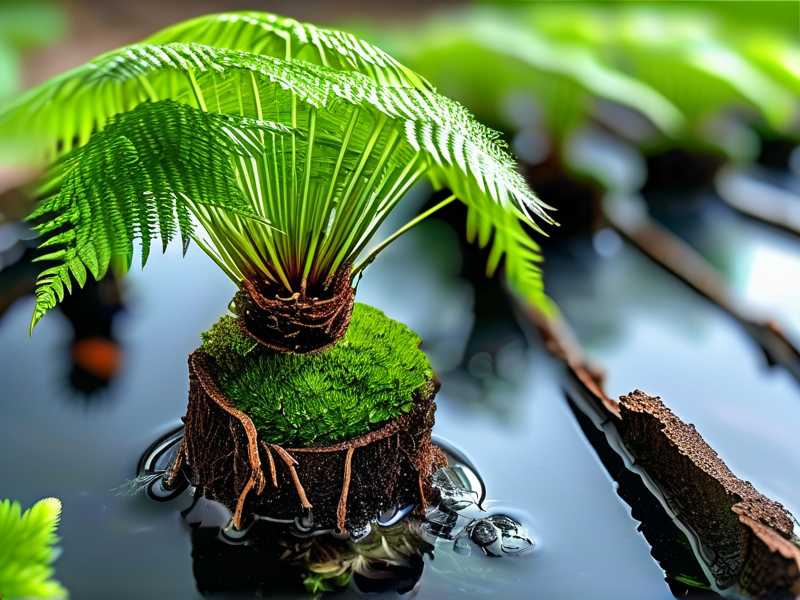
Ferns come from tropical rainforests. They love humidity. A bathroom with a shower running is an ideal spot. But if you water more to compensate for dry air, you're making the root rot problem worse.
The right way is to increase humidity around the plant without drenching the roots. Use a humidifier. Or set the pot on a tray of wet pebbles. The evaporating water creates a humid microclimate. Just make sure the pot isn't sitting in the water. I made that mistake. The pebbles are there to lift the pot above the water line.
I keep my fern collection on a humidity tray in my bedroom. It works well. And I water the ferns less because the air keeps their fronds happy. The root zone stays balanced.
How Long Should Ferns Go Between Waterings?
This is honestly the most common question I get. And the answer is: it depends. In my home, in a bright room with average humidity, my Boston fern needs water every five to six days in summer and every nine to ten days in winter. My bird's nest fern goes two weeks without water in winter.
But those are my numbers, for my growing conditions. Your numbers will be different. The only way to know is to check your own soil. I can't stress this enough. Stop following generic watering schedules. Start trusting your own finger.
There's a trick I use now: I keep a moisture tracker in my phone. Every day, I note whether the soil felt wet, moist, or dry. After two weeks, I can see the pattern for each fern. This tells me when to water without having to guess. That data-driven approach works for me.
The Bottom Watering Alternative
Some fern keepers swear by bottom watering. You fill a tray with water and let the pot soak it up from below. This keeps the top of the soil dry, which discourages fungus gnats and prevents stem rot.
I tried this for a few weeks. The results were good for my maidenhair fern, which hates having its roots disturbed. But I noticed the top layer of soil stayed bone dry, and the salt buildup from fertilizer accumulated in the soil. I fixed the salt issue by flushing the pot with plain water once a month, watering from the top and letting it drain.
Bottom watering is a solid method, but you have to be careful not to leave the pot sitting in water for too long. I limit it to fifteen minutes. Then I drain the tray. If you leave it for hours, the roots are sitting in saturated soil again. That defeats the purpose.
Signs You're Overwatering a Fern
Let me list the warning signs so you can catch it early.
First, the fronds turn yellow or pale green. This looks like starvation, and it kind of is. The roots are rotting, so the plant can't take up nutrients. Second, the base of the fronds turn brown or black. This is called "bud rot" and it's often caused by water pooling in the crown of the fern. When you water from above, make sure you don't leave water sitting in the center of the plant.
Third, the soil has a sour or swampy smell. Healthy soil doesn't smell bad. If you catch a whiff of rotten eggs, that's a red flag. Fourth, fungus gnats appear. These little flies breed in moist soil. Seeing them in large numbers means your soil has been wet for too long.
The counterintuitive part is that underwatering symptoms look almost identical. Drooping fronds, browning tips, and leaf drop. The difference is the soil condition. If the soil is bone dry, you're underwatering. If the soil is cold and soggy, you're overwatering. Check the soil first, always.
Is Morning or Evening Watering Better?
For ferns, I prefer morning. Here's why. Watering in the morning gives the soil time to dry out during the day. The plant uses water as it photosynthesizes, and the evaporation rate is higher. By evening, the soil has returned to a balanced moisture level.
Watering at night means the soil stays wet for the entire night. That's ten to twelve hours of extra wetness. And wet soil overnight encourages fungal growth. I've made this mistake too. I watered my ferns before bed because I forgot in the morning. Within a week, I saw a white fuzzy mold on the surface of the soil. I changed my routine after that.
So, set a timer. Make it a habit to water in the morning. If you can't, then afternoon is fine. Just avoid late evening watering.
The "Finger Test" vs. Moisture Meters
I've tried those two-pronged moisture meters. They're cheap, and they can give wildly inconsistent readings. But some are great. My cheap one kept showing "wet" even in soil that I knew was dry. I calibrated it against the finger test and found it was off by a factor of two.
The finger test is more reliable because you can feel the texture of the soil, not just the conductivity. You can tell if the soil is sponge-like and damp, or if it's compacted and dry. No meter can tell you that.
If you want to, get a wooden chopstick. Stick it into the soil for a minute. Pull it out. If it looks dry, the soil is dry. If it looks moist, wait. This works for deeper pots where your finger doesn't reach. I use this method for my large Boston fern in a tall pot.
What About Fertilizing at the Same Time?
Let me keep this simple. Do not fertilize a fern that's recovering from overwatering. The roots are already damaged, and the salts in fertilizer can burn them further. Wait until the plant shows new growth, then apply a diluted liquid fertilizer at half strength once a month during the growing season.
I once fertilized a sick fern in a panic, thinking it would help. It didn't. The damaged roots couldn't process the nutrients, and the fertilizer just accumulated in the soil. The plant got worse. I learned to let the plant recover first.
Cheat Sheet: How to Water Ferns Without Root Rot
Here's my quick list that you can screenshot.
Check the top inch of soil with your finger before every watering. Water only when it's dry. Use a pot with drainage holes. Always. Water deeply until it drains out the bottom. Let the pot drain completely for fifteen minutes. Increase humidity around the plant with a pebble tray or humidifier. Keep the soil mix light and airy with at least twenty percent perlite. Water in the morning, not at night. And if in doubt, wait a day.
Those nine tips are what I wish someone had told me before I bought my first fern. Instead, I had to learn through four dead plants and countless sad fronds. But now, I have a thriving collection. My Boston fern has fronds over three feet long. My bird's nest fern is enormous. And my maidenhair is still moody, but alive. That's a success story.
FAQ: Your Fern Watering Questions, Answered
Q1: How do I know if my fern is getting too much water or too little?
Stick your finger into the soil, one inch deep. If the soil is dark and clings to your finger, it's too wet. If it's pale and falls off, it's too dry. Beyond that, look at the fronds. Yellowing from the base upward often means overwatering. Brown tips on an otherwise green plant can mean underwatering. But soil check is the definitive answer.
Q2: Can a fern recover from root rot if I repot it?
Yes, if there's still some healthy root tissue. I saved my rabbit's foot fern this way. Gently remove all the mushy black roots with sterilized scissors. Repot in a fresh, well-draining mix. Wait two weeks before resuming a normal watering schedule. If all the roots are mush and the rhizome is brown, unfortunately, the plant is done.
Q3: Should I mist my fern every day?
Misting raises humidity around the fronds for a short time. It's fine, but it doesn't replace proper root care. And be careful not to mist so heavily that water runs into the soil. Use a spray bottle set to a fine mist, and do it in the morning so the leaves dry by evening. Wet leaves overnight can invite fungal spots on some species. I mist lightly a few times a week, and rely on my humidifier for the rest.
One last thought. Ferns are not hard to keep alive. They just ask for one thing: attention. Look at the soil, not the calendar. Feel the weight of the pot. Notice when the fronds start to change. That observational habit will save you more plants than any product i could recommend.
I know I killed five ferns before I got it right. You don't have to kill even one if you start with these tips. And if you already have a dying fern in your living room, give it one more chance. Repot it, check the roots, and water with intention. It might surprise you. Mine did.