bluename
How to Grow Trilliums from Bulbs: A Practical Guide for Home Gardeners
I still remember the first time I killed a trillium. I planted the rhizome too deep, watered it like a tomato, and watched it rot within three weeks. That mistake cost me forty dollars and taught me something important: trilliums are not difficult, but they are particular. Learning how to grow trilliums from bulbs (technically rhizomes) comes down to mimicking the forest floor they evolved in. Get that right, and these spring woodland gems will reward you for decades. The RHS notes that trilliums are long-lived perennials when sited correctly, and my own experience backs that up.
Trilliums are slow growers. Patience matters more than skill here. A single rhizome may take two or three seasons to settle before it flowers reliably. That's normal. Don't panic and dig it up to "check."
Understanding Trillium Bulbs Before You Plant
What you buy is usually a rhizome, not a true bulb. Think of it as a thick underground stem with roots attached. It stores energy for next year's growth. Handle it gently.
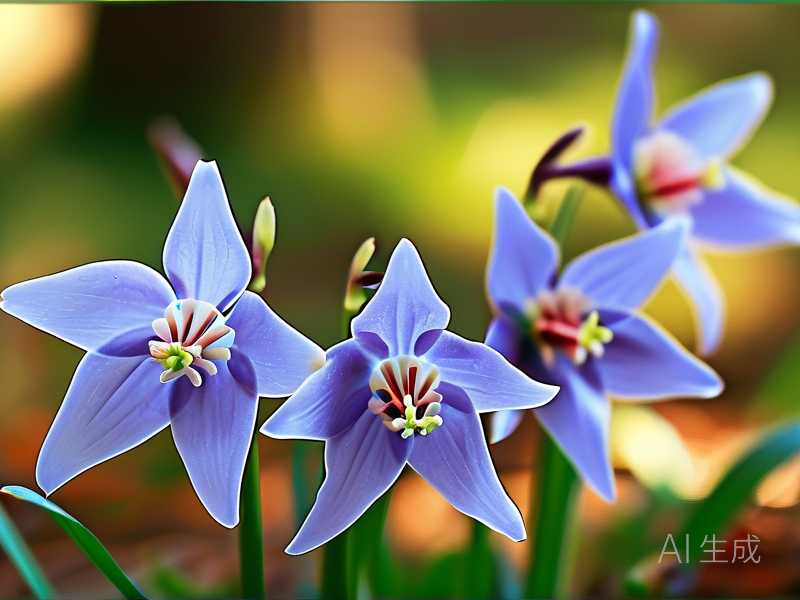
You'll find trilliums sold as dry rhizomes in late winter or as potted plants in spring. I've tried both. Potted plants establish faster, but dry rhizomes are cheaper and give you more variety.
A quick note on sourcing: buy from reputable nurseries, never from wild-dug sellers. Many trillium species are protected. Trillium grandiflorum and Trillium luteum are the easiest for beginners.
Light Requirements: Getting the Shade Balance Right
Trilliums want dappled shade. Not deep gloom, not full sun. Think of the light under a deciduous tree in early spring before leaves fully open.
Here's what I do: I site mine where they get bright morning sun and shade from midday onward. In my Zone 6 garden, that's about four hours of gentle light.
Too much sun scorches the leaves. They go pale, then crispy at the edges. I learned that the hard way during a heat wave two summers ago.
Too little light is subtler. Plants grow but refuse to bloom. If your trillium produces leaves but no flower for two springs running, it's probably too dark. Move it.
The AHS recommends filtered light for woodland species, and that matches what I've seen. Dappled is the sweet spot.
A Two-Week Observation I Ran Myself
Last spring I moved three rhizomes from full shade to partial morning sun. Here's what happened over two weeks:
- Week one: no visible change, slight leaf lift.
- Week two: deeper green color, stronger stems.
Not dramatic, but telling. The plants were happier. By the next season, two of the three flowered. The shaded one still hasn't.
Watering Trilliums: The Most Common Mistake
Plain truth: 90% of indoor plants die from overwatering. Trilliums aren't houseplants, but the same principle applies—wet feet kill them faster than drought.
Water when the top inch of soil feels dry. In spring, that might mean twice a week. In summer dormancy, barely at all.
Trilliums go dormant in summer. The foliage yellows and dies back. That's not a problem—it's their natural cycle. Stop watering once the leaves fade. I made the mistake of watering through dormancy once, and the rhizome rotted solid.
Prevent waterlogging by planting on a slight mound or adding grit to the soil. Good drainage beats frequent watering every time.
Soil and Repotting: What Actually Works
Trilliums want humus-rich, well-draining soil. My go-to mix:
- Two parts leaf mold or compost
- One part garden soil
- One part coarse grit or perlite
If you're growing in pots, choose deep containers. Rhizomes need vertical room. A shallow bowl won't cut it.
Repot only when the rhizome crowds the container—usually every three to four years. Do it in late summer during dormancy. I tried repotting in spring once and set the plant back a full season. Don't do that.
Fertilizing: Less Is Genuinely More
Feed lightly in early spring as growth emerges. A diluted balanced fertilizer or a handful of leaf compost is plenty.
Don't fertilize during dormancy. Don't fertilize in late summer. It encourages soft growth that winter kills.
I use half-strength liquid feed once in March, then stop. That's it for the year. More isn't better here.
Seasonal Care Through the Year
Spring
This is peak growth. Keep soil consistently moist but never soggy. Remove any damaged foliage. Apply light fertilizer. New rhizomes can be planted now if you have potted stock.
Summer
Foliage dies back. Reduce watering sharply. Keep pots in shade. Good airflow prevents fungal issues. I move my pots under a shrub for the dormant months.
Autumn
Clean up dead foliage. Top-dress with compost. This is the best time to divide or move rhizomes. Reduce watering as growth slows.
Winter
Mulch pots and garden beds with leaves. Trilliums need cold dormancy, so don't bring them indoors. In containers, insulate against hard freezes. I wrap my pots in burlap in Zone 5 winters.
Common Problems and Fixes
Yellowing leaves in spring usually mean soggy soil. Let things dry slightly. Fungal spots come from poor airflow—thin the planting.
Slugs are the worst pest in my garden. I use copper tape around pots and hand-pick at dusk. It's unglamorous but effective.
Root rot is the big killer. If a rhizome feels mushy, it's gone. Prevent it with drainage, not treatment.
Three Beginner Mistakes I See Constantly
- Overwatering. Trilliums aren't bog plants. Let the soil breathe.
- Wrong light. Deep shade means no flowers. Too much sun means scorched leaves.
- Wrong pot. Shallow containers cramp rhizomes. Go deep.
I killed my first three trilliums through a combination of all three. Now I plant deeper than people think, water less than feels natural, and use tall pots. They thrive on a little neglect.
FAQ
How long until my trillium flowers? Usually two to three years from a rhizome. Potted plants may bloom the first spring.
Can I grow trilliums in pots permanently? Yes, but repot every three to four years and use deep containers.
Why did my trillium not come back? Excessive moisture during dormancy is the usual culprit. Check drainage and cut summer watering.
Trilliums ask for patience and the right conditions—not fuss. Get the basics right and they'll outlive most things in your garden.