bluename
If your Hoya kerrii is growing like crazy but refuses to bloom, you're probably missing one key step: pruning at the right time. I learned this the hard way after babying a sweetheart plant for three years with zero flowers. The fix wasn't more fertilizer or a bigger pot. It was a pair of clean snips and good timing. In this guide, I'll walk you through exactly how to prune Hoya kerrii for more flowers, step by step, using the same routine that finally pushed my plant into bloom.
Why Your Hoya Kerrii Won't Flower (And How Pruning Fixes It)
Hoya kerrii, the sweetheart plant, is loved for its thick heart-shaped leaves. It's a slow grower, pretty forgiving, and honestly one of the easier houseplants out there.
But here's the thing: flowers don't just happen. A healthy plant can sit happy for years and never bloom if it's never pruned.
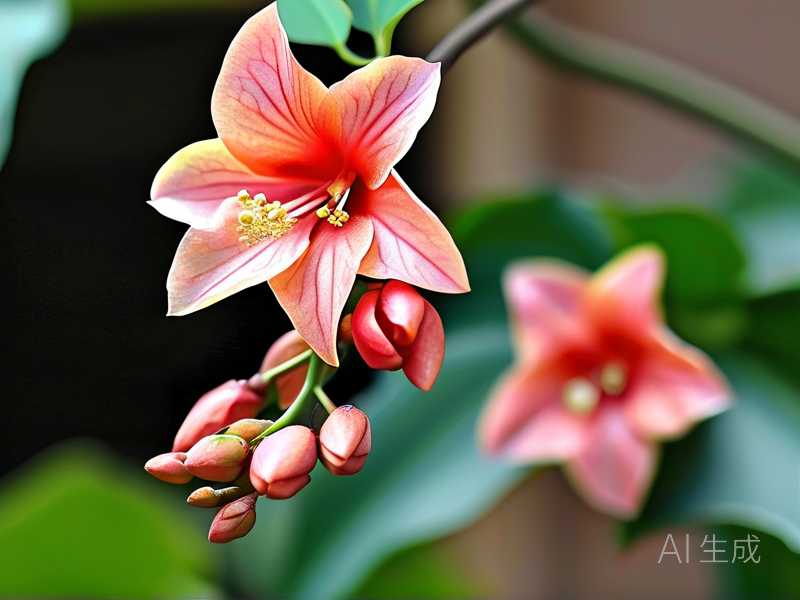
Pruning does two jobs. First, it pushes the plant to branch out, which means more growing tips. And hoya flowers form on short stalks called peduncles that grow from those tips and from older wood. Second, pruning clears out weak, crowded growth so energy goes into flower production instead of random vines.
I'm not going to pretend pruning is a magic switch. Light, water, and patience still matter. But without pruning, you're basically leaving blooms to chance.
The Royal Horticultural Society (RHS) notes that hoyas flower best when given bright, filtered light and room to develop mature growth. Pruning supports that by shaping a fuller plant with more bloom points.
When to Prune Hoya Kerrii for the Best Results
Timing matters more than most people think. Prune too late in the year and you cut off the wood that would've flowered.
The sweet spot is early spring, right as new growth starts. That gives the plant a full season to push out new tips that can mature and flower.
Here's my rough rule: prune when you see the first fresh leaves unfurling after winter. For most of us in the US, Canada, UK, and Australia, that's late February through April.
Avoid heavy pruning in late summer or fall. You'll remove developing peduncles and set flowering back a year. Light cleanup is fine anytime, but save the real shaping for spring.
Step-by-Step: How I Prune My Hoya Kerrii
This is the exact routine I use. It takes maybe 15 minutes and doesn't require special tools.
Step 1: Gather Your Tools
You need clean, sharp pruning shears or scissors. I wipe mine with rubbing alcohol before every use. Dirty blades spread disease, and hoyas are prone to stem rot if a cut gets infected.
Have a small dish of cinnamon powder handy too. I dip fresh cuts in it as a natural anti-fungal. It's an old trick and it works.
Step 2: Inspect Before You Cut
Look at the whole plant first. Find the long, leggy vines with bare stretches. Those are your main targets.
Also look for tiny nubs along the stems. Those are old peduncles where flowers grew before. Never cut those off, ever. They rebloom from the same spot year after year.
I made this mistake once. I cut back a whole vine full of old bloom spurs because it looked "messy." That plant didn't flower again for two seasons.
Step 3: Make Your Cuts
Cut just above a leaf node (the little bump where leaves attach). Use a clean, angled cut. Aim to remove about one-third of the leggy growth, no more.
For a fuller plant, pinch off the very tip of soft new vines. This forces side shoots. More side shoots equals more potential flower points down the road.
Step 4: Clean Up
Remove any dead, yellowing, or crossing stems. Open up the center a bit so light and air reach the middle of the plant.
Step 5: Aftercare
Don't water for a few days after pruning. Fresh cuts can rot if the soil stays wet. Keep the plant in its usual bright spot and let it recover.
That's it. Simple, right? The hard part is patience.
Two-Week Observation: What I Actually Saw
I pruned my main Hoya kerrii on a Sunday in early March. Here's what happened over the next 14 days.
Days 1 to 3: Nothing obvious. The plant looked a little shocked, honestly. A couple of lower leaves yellowed slightly, which is normal after stress.
Days 4 to 7: New growth started pushing from the nodes below my cuts. Tiny pale green buds appeared. This is the payoff of pruning right at a node.
Days 8 to 14: Those buds opened into small new leaves and, importantly, new vine tips. I counted six new growth points on a plant that had been putting out one sad vine all winter.
No flowers in two weeks, of course. That's not how hoyas work. But the branching I saw by day 14 is exactly what sets up blooms weeks or months later.
One caveat: keep humidity steady during recovery. My first attempt dried out too fast and the new tips stalled. Now I group the plant with others or pop a pebble tray nearby.
Light: The Make-or-Break Factor for Flowers
Pruning alone won't do it if light is wrong. This is where tons of people go off track.
Hoya kerrii wants bright, indirect light. An east-facing window is ideal. A few hours of gentle morning sun is great; harsh afternoon sun will scorch those thick leaves.
Too little light and you get a plant that survives but never blooms. It'll grow spindly and pale. I've been there. My first sweetheart plant lived in a dim corner for two years and produced exactly zero flowers.
The American Horticultural Society (AHS) recommends bright indirect light for most hoya species, especially during the growing season. That matches what I've seen: the plants near my brightest window flower, the rest don't.
If your space is dim, a simple LED grow light for 10 to 12 hours a day makes a real difference. I added one to my north-facing shelf and the difference in growth was obvious within a month.
Watering: Where Most People Kill Their Hoya
Let's be blunt: 90% of indoor plants die from overwatering. Hoya kerrii is no exception. In fact, it's more sensitive to soggy soil than most.
Hoyas are epiphytes. In the wild they grow on trees, not in soil. Their roots need air. Sitting in wet compost suffocates them fast.
My rule: water thoroughly, then let the top half of the soil dry out before watering again. In summer that might mean every 10 days. In winter, every 3 to 4 weeks.
Signs you're overwatering: yellowing lower leaves, mushy stems, a pot that feels heavy for days. Any of those, stop watering and check the roots.
I once lost a beautiful large-leaf hoya to root rot because I "watered on schedule" instead of checking the soil. Schedule-based watering is a trap. Stick a finger in the pot instead.
Use a pot with drainage holes. Always. And never let it sit in a saucer of standing water.
Soil and Repotting: Getting the Foundation Right
Hoya kerrii needs airy, fast-draining mix. Regular potting soil holds too much moisture.
My go-to blend: two parts orchid bark, one part perlite, one part regular potting mix. It drains fast and still holds a little moisture. Some people add a handful of coco coir too, which is fine.
Repot only every two to three years, and only when roots crowd the pot. Hoyas actually bloom better when slightly root-bound. That surprised me when I first learned it, but it's true.
When you do repot, choose a pot just one size up. A too-large pot holds excess wet soil around the roots and invites rot. Terracotta is a great choice because it breathes.
Fertilizing for Flowers, Not Just Leaves
A common mistake is feeding for leaf growth and wondering why there are no blooms.
Use a balanced liquid fertilizer diluted to half strength during spring and summer. Once buds appear, switch to a bloom-boosting feed higher in phosphorus. I feed every three to four weeks, no more.
Stop fertilizing entirely in fall and winter. The plant is resting. Feeding then just pushes weak growth.
Don't fertilize a freshly pruned or repotted plant for at least two to three weeks. Let it settle first. I learned that after burning the roots of a freshly potted cutting with too-strong feed.
Seasonal Care Through the Year
Spring: Wake-Up and Prune
This is prime time. Prune in early spring, resume watering as growth picks up, and start light feeding. If the plant needs repotting, do it now. Watch for new peduncles forming.
Summer: Guard Against Heat and Sun
Water more often but still let soil dry between waterings. Keep the plant out of harsh afternoon sun. Good airflow matters; stuffy rooms invite pests.
Fall: Wind Down
Cut back on fertilizer and watering. Move the plant closer to your brightest window before light fades. Clean up dead leaves and check for pests before winter.
Winter: Rest and Protect
Keep it warm (above 55°F / 13°C), water sparingly, and stop feeding. Drafty windowsills are bad news. I move mine to a warm, bright spot away from cold glass.
Three Mistakes That Kill New Growers
Mistake 1: Overwatering. It's the number one killer, full stop. When in doubt, wait a few more days.
Mistake 2: Wrong light. Dim corners and blazing direct sun both fail. Bright, indirect is the target.
Mistake 3: Wrong pot. No drainage, or a pot that's way too big, traps moisture and rots roots. Use a modest pot with holes.
I killed my second hoya by combining all three at once. Oversized decorative pot, no drainage, dim corner, weekly watering. It was doomed from day one.
Common Problems and Fixes
Yellow leaves: usually overwatering. Check soil moisture and root health. Mushy roots mean rot; trim them and repot in fresh, dry mix.
Brown crispy edges: often too much direct sun or dry air. Move it back from the window and raise humidity.
No flowers: usually a light or pruning problem. More bright indirect light, plus spring pruning, fixes most cases.
Pests: mealybugs and aphids love hoyas. Wipe them off with a cotton swab dipped in rubbing alcohol and repeat weekly until gone.
FAQ
Can I propagate the cuttings I remove? Yes, hoya kerrii propagates easily from stem cuttings with at least two nodes. Root them in water or perlite. Just know that a single leaf cutting will grow roots but rarely becomes a full plant.
Will pruning hurt my plant? Not if you prune in spring and remove no more than a third of the growth. Clean cuts and clean tools keep it safe.
How long until I see flowers after pruning? It varies. Some plants bloom within a few months; others take a full season. Mature plants with good light and steady care flower fastest.
Pruning Hoya kerrii isn't complicated. Cut in early spring, leave the old bloom spurs alone, keep the light bright, and don't drown it. My own plant taught me that patience plus a sharp pair of snips beats any fancy fertilizer. Give it a season, watch those new tips grow, and you'll be rewarded.