bluename
 How to Grow Mandevillas in Hot Climates (Full Guide)
I killed three mandevillas before I figured out what I was doing wrong. The first one crisped up in a week. The second rotted at the base. The third just sat there, sulking, refusing to bloom. If you're gardening in a hot climate and want that gorgeous tropical vine look without the heartbreak, this guide is for you. I've spent the last few years testing mandevillas in triple-digit summer heat, and I've finally landed on a routine that works. Let me save you the trial and error.
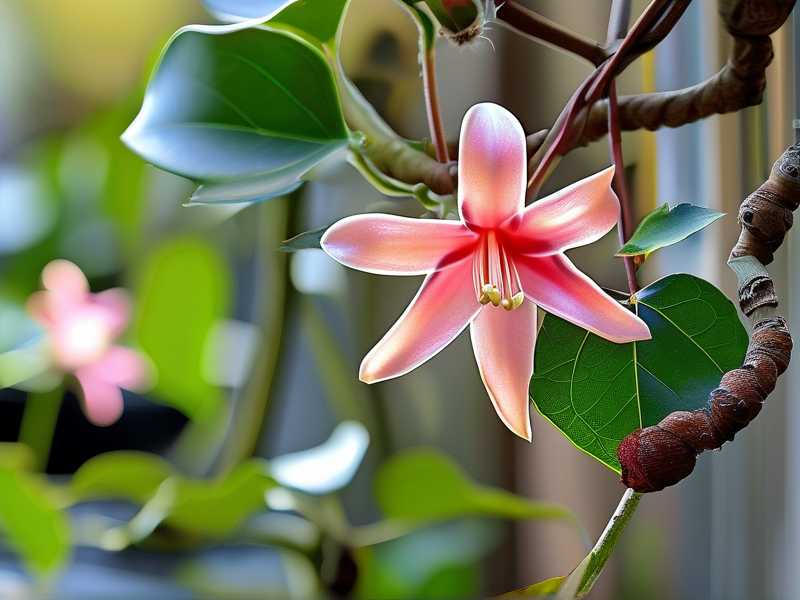
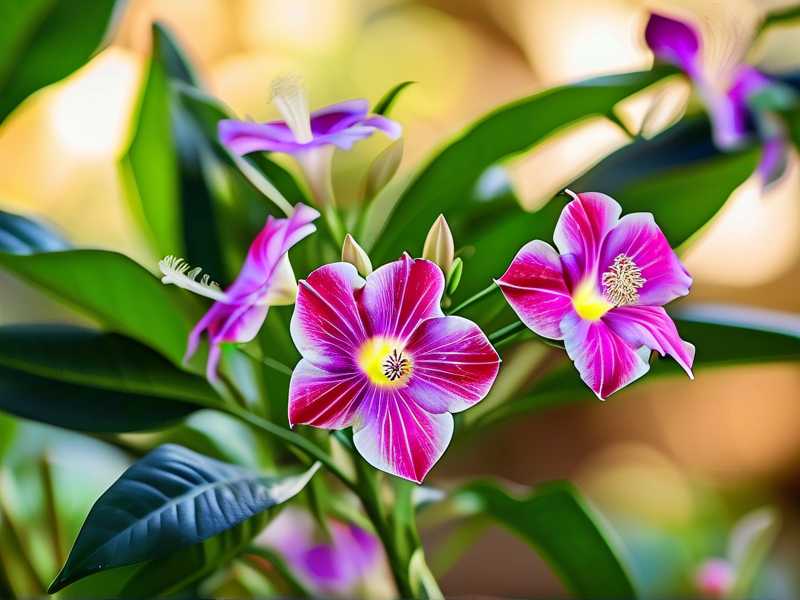
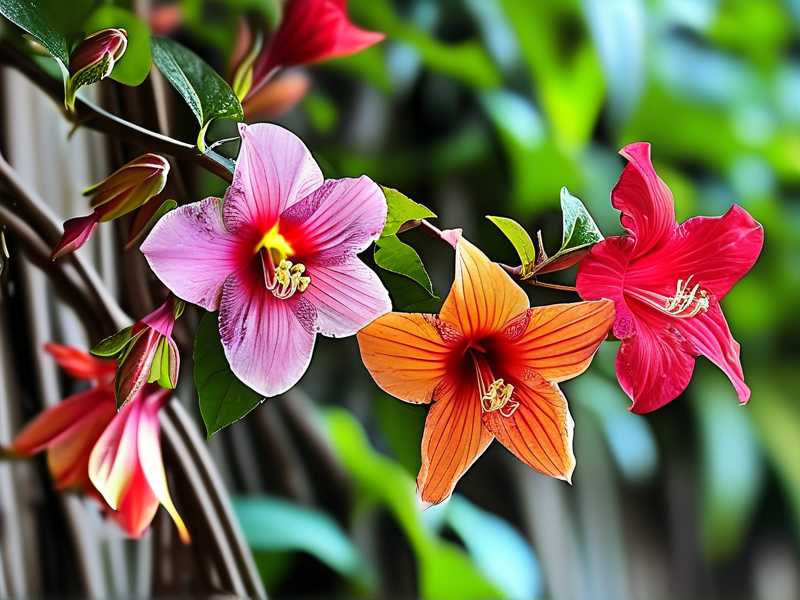
Mandevilla is a tropical climbing vine with glossy leaves and trumpet-shaped flowers that come in pink, red, white, and even yellow. It's a favorite for patios, pergolas, and balconies because it blooms hard from late spring through fall. The RHS notes it's tender and needs protection below 50°F (10°C), which matters a lot depending on where you live. In hot climates, the challenge isn't cold—it's scorching sun, dry air, and soil that dries out faster than you expect.
People often ask me if mandevilla is hard to grow. Honestly? It's not difficult once you understand its rhythm. The trouble is that most care guides are written for mild climates. Hot-climate gardening is a different game. Heat stress, sunscald, and rapid moisture loss change everything. So let me walk you through what actually works.
Light: The Sweet Spot Nobody Talks About
Mandevilla wants bright light. But "full sun" in Phoenix or Brisbane is not the same as full sun in Seattle or London.
In my experience, the sweet spot in hot climates is morning sun with filtered afternoon shade. I'm talking 4–6 hours of direct morning light, then dappled shade or a sheer curtain from 1 PM onward. When I gave one plant full afternoon sun in July, the leaves bleached to a pale yellow within four days. The flowers dropped. It looked miserable.
Too little light is just as bad. I tried keeping one on a north-facing porch, and it grew leggy stems with almost no blooms. The leaves stayed green but the plant just stretched toward whatever light it could find. Flowering basically stopped.
So here's my two-week observation test. I moved two identical mandevillas to different spots. Plant A got morning sun plus 40% shade cloth in the afternoon. Plant B got full all-day sun. After 14 days, Plant A had seven new flower buds and zero leaf scorch. Plant B had crispy edges on about a third of its leaves and only one sad bud. That told me everything I needed to know.
If you're in a hot climate, err on the side of protection. A little shade won't stop blooms. Too much sun will fry the whole thing.
Watering: Where 90% of Indoor Plants Die from Overwatering
I have to say this clearly because it's the number one killer: 90% of indoor plants die from overwatering. Mandevilla is no exception.
The problem is that mandevilla likes moisture but hates sitting in it. The roots need oxygen. When soil stays soggy, root rot sets in fast. I lost my second mandevilla exactly this way. I thought I was being attentive by watering every other day. Turns out I was drowning it.
Here's the rule I follow now: water deeply, then let the top inch or two of soil dry out before watering again. In hot climates during summer, that might mean watering every two to three days. In cooler months, it could be once a week or less.
Stick your finger in the soil. If it's damp at knuckle depth, wait. If it's dry, water until it runs out the drainage holes. Then stop. Don't let the pot sit in a saucer of water. I learned that one the hard way.
For indoor mandevillas, overwatering is even more dangerous because evaporation is slower. That's why I always tell people: when in doubt, wait another day. The plant will tell you if it's thirsty—the leaves droop slightly and lose that crisp look.
Soil and Repotting: Get This Right Early
Mandevilla needs well-draining soil. Period. If you use dense, moisture-retaining potting mix, you're setting yourself up for root rot.
My go-to mix is three parts high-quality potting soil, one part perlite, and one part orchid bark. That gives you drainage, aeration, and just enough moisture retention. I've also had good results mixing in a handful of coarse sand. The point is to create air pockets in the soil.
Pot choice matters more than people think. Terra cotta is excellent because it wicks moisture away from the roots. Plastic works too, but you have to be more careful with watering. Whatever you choose, make sure it has drainage holes. I once used a decorative ceramic pot without holes because it looked nice. That plant lasted three weeks.
Repot every one to two years, preferably in early spring before the growth spurt. Choose a pot one size larger—not two or three sizes up. An oversized pot holds too much wet soil around the roots and slows drying. I made that mistake with a fancy oversized planter and ended up with root rot within a month.
When repotting, gently loosen the root ball. Trim any brown or mushy roots with clean scissors. Then plant at the same depth it was before. Water lightly and keep it in bright, indirect light for a week while it settles.
Fertilizing: Less Is More
Mandevilla is a hungry bloomer, but that doesn't mean you should go heavy on fertilizer. I feed mine every two weeks during the growing season with a diluted liquid fertilizer—usually a balanced 10-10-10 or something slightly higher in phosphorus for blooms. I mix it at half the recommended strength. This "weakly weekly" approach keeps nutrients available without burning roots.
Stop fertilizing in late fall. The plant needs to slow down and prepare for winter. Feeding it during dormancy just stresses it out.
Never fertilize a dry plant. Water first, then feed. And don't fertilize if the plant is struggling with pests or disease—it can't use the nutrients and you'll just make things worse.
Season-by-Season Care for Hot Climates
Spring is when everything wakes up. I prune back any dead or leggy growth, repot if needed, and start fertilizing. This is also when I check for spider mites, which love the dry air. A strong blast of water on the undersides of leaves every few days keeps them at bay.
Summer is the danger zone. The sun is brutal, and the heat can hit 110°F in some places. I move potted mandevillas to a spot with afternoon shade. I water more frequently but always check the soil first. I also mulch the top of the pot with a thin layer of bark to slow evaporation. Ventilation matters too—good airflow prevents fungal issues. If you're in a really hot area, misting the leaves in the morning helps with humidity, but don't do it in the evening or you'll invite mildew.
Fall is transition time. Growth slows. I cut back on fertilizer to once a month, then stop entirely by mid-fall. I reduce watering as temperatures drop. I also trim any long, unruly vines to keep the plant tidy. This is the time to decide: will you overwinter indoors or let it go dormant outdoors? In hot climates like USDA zone 10 or 11, you might get away with leaving it outside with a frost blanket on cold nights. But if temps dip below 50°F, bring it in.
Winter is all about protection. Mandevilla goes semi-dormant. I stop fertilizing completely. I water sparingly—just enough to keep the soil from going bone dry. Indoors, I place the pot near a bright window but away from heating vents. Outdoors in warm climates, I cover the plant on cold nights. The AHS recommends treating it as a tender perennial and protecting it from frost. If you're in a cooler zone, treat it as an annual or bring it inside.
Common Pests and Problems (And How I Fix Them)
Yellow leaves usually mean overwatering or poor drainage. I check the soil first. If it's soggy, I stop watering and let it dry out. Sometimes I'll repot into fresh, dry mix if it's really bad.
Brown, crispy leaf edges are a sign of underwatering or too much direct sun. I move the plant to a shadier spot and water more consistently.
Root rot shows up as mushy stems and a foul smell. By the time you smell it, it's usually too late. I've saved one plant by cutting away the rotten roots, repotting in fresh dry mix, and watering minimally for two weeks. But honestly, prevention is the only real cure.
Spider mites are the most common pest in hot, dry climates. You'll see fine webbing and tiny specks on the undersides of leaves. I blast them with water, then treat with neem oil every five days for three rounds.
Aphids cluster on new growth. A strong spray of water knocks them off. Ladybugs help too if you can get them.
Three Mistakes That Kill Mandevillas
-
Overwatering. I can't say this enough. Soggy soil kills more mandevillas than anything else. Let the soil dry between waterings.
-
Wrong light. Full afternoon sun in a hot climate scorches leaves. Too little light stops blooms. Find that morning-sun-afternoon-shade balance.
-
Wrong pot. No drainage holes, oversized pots, or heavy soil mixes all contribute to root problems. Use a pot with holes, size up gradually, and mix in perlite or bark.
I once watched a neighbor's mandevilla die in a beautiful glazed pot with no drainage. She watered it every day because it looked dry on top. The roots were swimming. By the time she asked me what was wrong, the base was black and soft. That's the classic overwatering trap.
Frequently Asked Questions
Can mandevilla survive full sun in hot climates? It can survive, but it won't thrive. In extreme heat, full afternoon sun causes leaf scorch and flower drop. Give it morning sun and afternoon shade for the best results.
How often should I water mandevilla in summer? In hot climates, every two to three days is typical for outdoor pots. But always check the soil first. If the top inch is dry, water. If it's damp, wait.
Can I keep mandevilla indoors year-round? Yes, but it needs very bright light. A south or west window works if you have one. Just be careful with watering—indoor plants dry out slower, so you'll water less often than you would outdoors.
Mandevilla rewards you with months of color if you respect its basic needs. Don't overwater. Don't bake it in the afternoon sun. Use a pot that drains. Do those three things and you'll be ahead of most gardeners. I wish I'd known this before I killed my first three. Learn from my mistakes, and your mandevilla will thank you with a cascade of blooms.