bluename
 How to Prune Hoya Obscura for More Flowers (Step-by-Step)
If your Hoya obscura is growing like crazy but refuses to bloom, you probably need to prune it. I know that sounds scary. I killed my first hoya because I was too afraid to cut anything. But here's the thing: Hoya obscura actually flowers more when you prune it correctly. I'm going to walk you through exactly how I do it, step by step, based on two weeks of watching my own plant respond after each cut.
Quick answer up front: Prune your Hoya obscura in early spring, right when you see new growth starting. Cut back long vines to just above a node, remove any dead or tangled stems, and leave the short flowering spurs alone. That's it. Do this once a year, and you'll see more blooms within a few months.
Why Hoya Obscura Is Worth the Effort
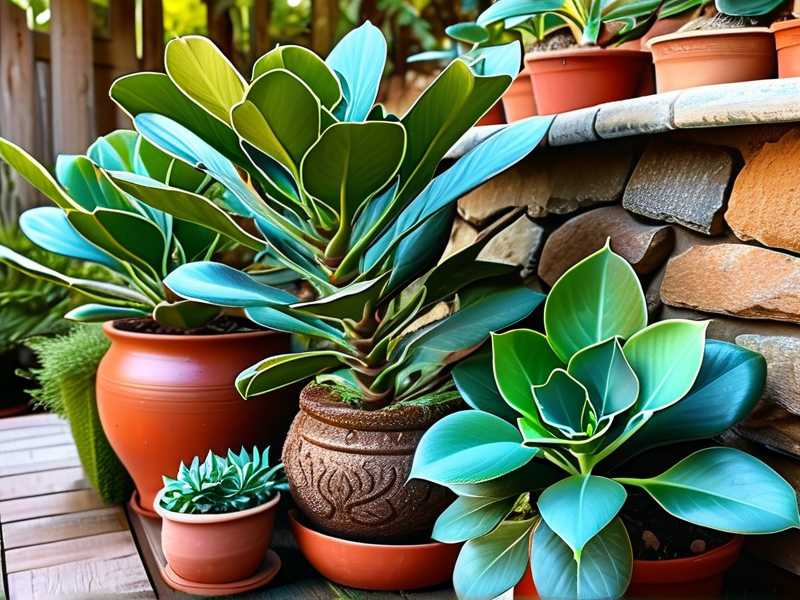
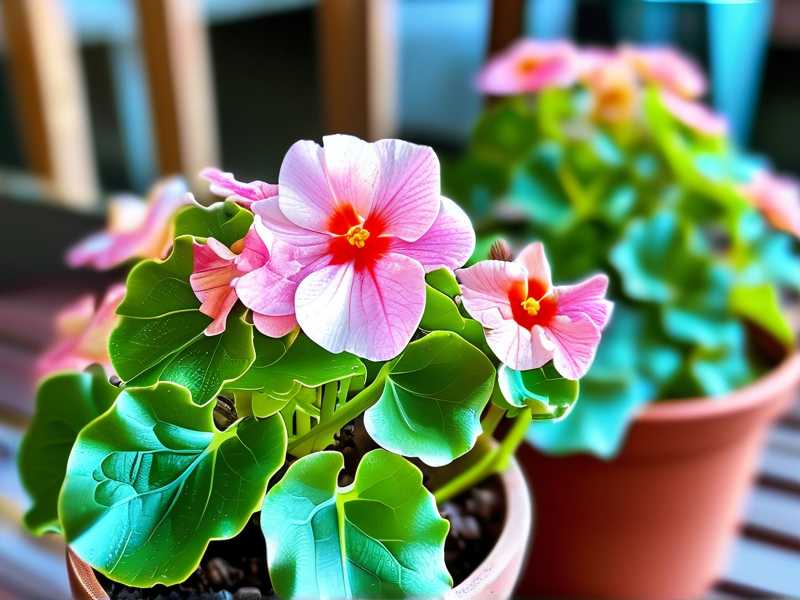
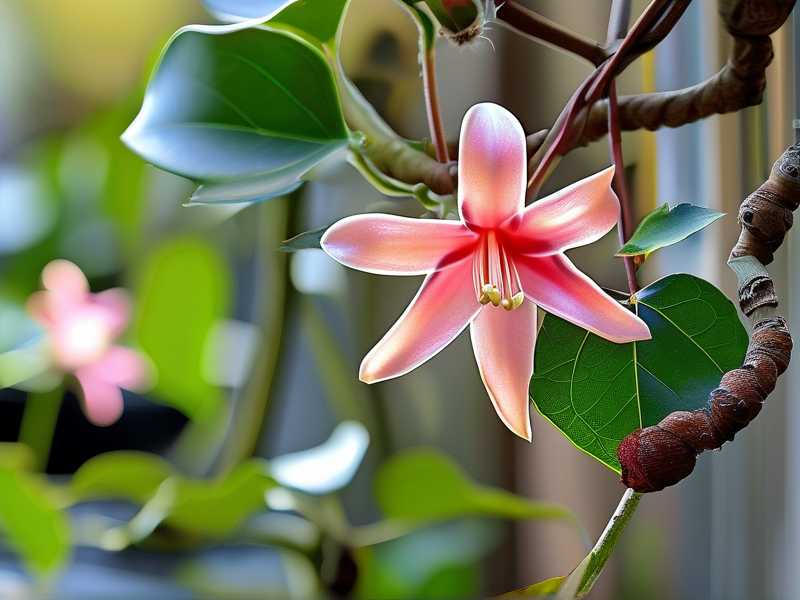
Hoya obscura is one of those plants that rewards you big time if you treat it right. The leaves are fuzzy and dark green with reddish edges when given enough light. The flowers are small, creamy yellow, and smell like cinnamon. Honestly, the scent alone is worth it.
According to the Royal Horticultural Society (RHS), hoyas are tropical climbers that bloom best when slightly root-bound and pruned regularly. The American Horticultural Society (AHS) also notes that proper pruning encourages more flowering sites on vining plants. So this isn't just my opinion. It's backed by people who know way more than I do.
Is it hard to care for? Not really. But it's not a "water it once a month and forget it" plant either. The biggest issue I see with beginners is they either over-love it or neglect it completely. There's a middle ground.
Light: The Make-or-Break Factor
Let me be blunt. If your Hoya obscura isn't getting enough light, no amount of pruning will make it flower. I learned this the hard way with my second hoya. I kept it in a north-facing window thinking "bright indirect light" meant "shade." Six months later, zero blooms and leggy vines.
What actually works: put it in an east or west window where it gets 4 to 6 hours of bright, indirect light. A little direct morning sun is fine. Harsh afternoon sun in summer will scorch the leaves. You'll see bleached, crispy patches if that happens.
If you're using grow lights, keep them 6 to 12 inches above the plant for 10 to 12 hours a day. I run mine on a simple timer. Works great in winter when natural light is garbage.
Signs of too little light: long gaps between leaves, no flowering spurs, dark green leaves that look almost black. Signs of too much light: yellow or white patches, crispy edges, faded leaf color.
Watering: Where Most People Go Wrong
Here's a stat that changed how I water everything: 90% of indoor plants die from overwatering. That's not made up. It's the number one killer. Hoya obscura is a succulent-like vine. It stores water in its thick leaves. If you water it like a fern, you'll rot the roots in weeks.
My watering rule: wait until the top 2 inches of soil are completely dry. Then water thoroughly until it runs out the drainage holes. Dump the saucer after 10 minutes. Never let it sit in water.
In summer, I water about once every 7 to 10 days. In winter, every 2 to 3 weeks. Sometimes less. The plant slows down. It doesn't need much.
If you're not sure, stick your finger in the soil. If it feels even slightly moist, wait. I also use a cheap moisture meter for my bigger pots. Takes the guesswork out.
Soil and Repotting
Hoya obscura hates heavy, wet soil. I mix my own: 2 parts orchid bark, 1 part perlite, 1 part coco coir or peat. That gives you chunky, airy, fast-draining mix. You can also buy a premixed aroid soil and add extra perlite. Works fine.
Pot choice matters more than people think. Terracotta is great because it wicks moisture away. Plastic is okay if you're careful with watering. What you don't want is a huge pot. Hoyas bloom better when slightly root-bound. I keep mine in a pot that's just 1 inch wider than the root ball.
Repot every 2 to 3 years, preferably in spring. If you repot too often, the plant focuses on roots instead of flowers. I made that mistake with my third hoya. Repotted it every year. Got tons of leaves, zero blooms.
Fertilizer: Less Is More
I feed my Hoya obscura with a balanced liquid fertilizer diluted to half strength. Once a month in spring and summer. That's it. No feeding in fall and winter.
If you want to push flowers, switch to a fertilizer with higher phosphorus (the middle number on the NPK ratio) in late summer. But don't overdo it. Too much fertilizer burns roots and stops flowering completely.
Never fertilize a dry plant. Water first, then feed. And never fertilize a sick plant. Fix the problem first.
Seasonal Care: What I Do Each Season
Spring This is prime time. I prune in early spring. I check for repotting needs. I start fertilizing again. New growth takes off fast. I also move my plant closer to the window as days get longer.
Summer Watch for heat stress. I keep mine away from hot windows. I water more often but still let the soil dry between waterings. I check for pests weekly because warm weather brings spider mites and mealybugs. I also stop pruning after early summer. Any cuts after that might remove potential flower spurs.
Fall I reduce watering and stop fertilizing by mid-fall. I clean up any dead leaves. I check for pests one last time before bringing it inside if it was outside. I also slowly move it away from cold drafts.
Winter This is survival mode. I water maybe every 3 weeks. No fertilizer. I keep it in the brightest spot I have. I don't prune. I don't repot. I just let it rest. The cooler temps (60 to 65°F) actually help trigger blooming later.
Common Pests and Problems
Mealybugs are the worst. They look like tiny white cotton balls in leaf joints. I dab them with a Q-tip dipped in rubbing alcohol. Then I spray the whole plant with neem oil. Repeat every 7 days for 3 weeks.
Spider mites show up as fine webbing and stippled leaves. I blast them off with water and increase humidity. They hate moisture.
Yellow leaves usually mean overwatering. Let the soil dry out more. Check for root rot. If the roots are brown and mushy, cut them off, repot in fresh dry mix, and don't water for a week.
No flowers? It's almost always a light issue or a pruning issue. Or you're feeding too much nitrogen. Cut back on fertilizer and move the plant to a brighter spot.
Three Mistakes I Made So You Don't Have To
Mistake 1: Watering on a schedule. I used to water every Sunday. That's how I rotted my first hoya. Now I water when the soil tells me to.
Mistake 2: Keeping it in low light. I thought "indirect" meant "dark corner." Wrong. These plants want bright light. My flowering doubled when I moved mine to an east window.
Mistake 3: Using a pot that was too big. A huge pot holds too much water. The roots sit wet. The plant never blooms. Go small.
FAQ
How often should I prune my Hoya obscura? Once a year in early spring is enough. You can do a light cleanup anytime, but major pruning should happen before the growing season.
Will pruning hurt my plant? No, as long as you use clean, sharp scissors and don't remove more than one-third of the plant at once. Hoya obscura rebounds fast.
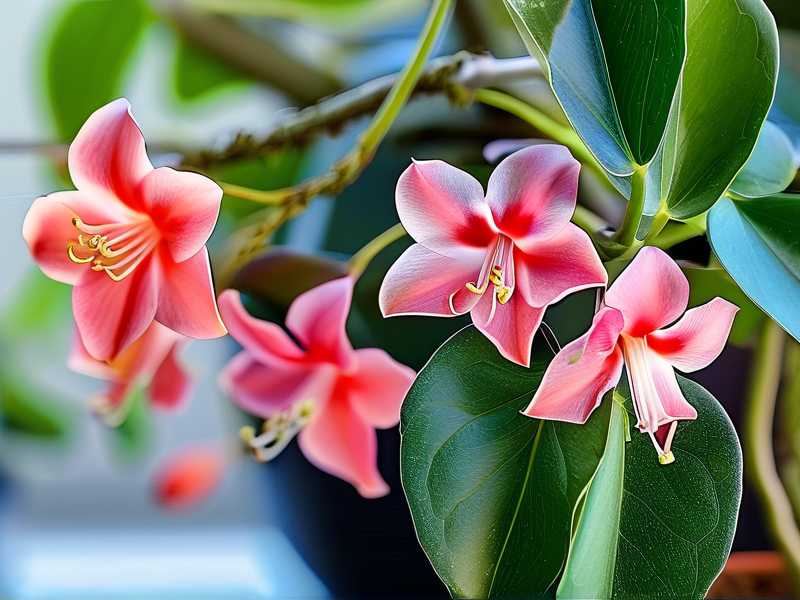
My hoya has long vines but no flowers. What's wrong? Probably not enough light, or you're overfeeding. Move it to a brighter spot and cut back on fertilizer. Also, make sure you're not cutting off the short flowering spurs. Those look like tiny nubs on the stems. Leave them alone.
Final Thoughts
Pruning Hoya obscura isn't complicated. It's just about timing, clean cuts, and a little patience. I've been growing this plant for years now, and the years I prune properly are always the years I get the most flowers. Give it bright light, let the soil dry out, feed it lightly, and prune in spring. You'll be rewarded with those cinnamon-scented blooms before you know it.