bluename
 How to Water Syngoniums Without Root Rot (Pro Tips)
I killed my first Syngonium in eleven days. It was a beautiful pink-veined cutting I bought at a farmers market, and I drowned it. That's the truth. Here's the short answer before you read anything else: water your Syngonium only when the top 1–2 inches of soil feel dry, use a pot with drainage holes, and never let the roots sit in standing water. That's it. That's 90% of the battle.
The other 10%? It depends on your home, your light, your pot, and the season. Stick with me and I'll walk you through how I finally figured out how to water Syngoniums without root rot — including the two additional plants I lost along the way.
Why Syngoniums Are So Easy to Love (and So Easy to Kill)
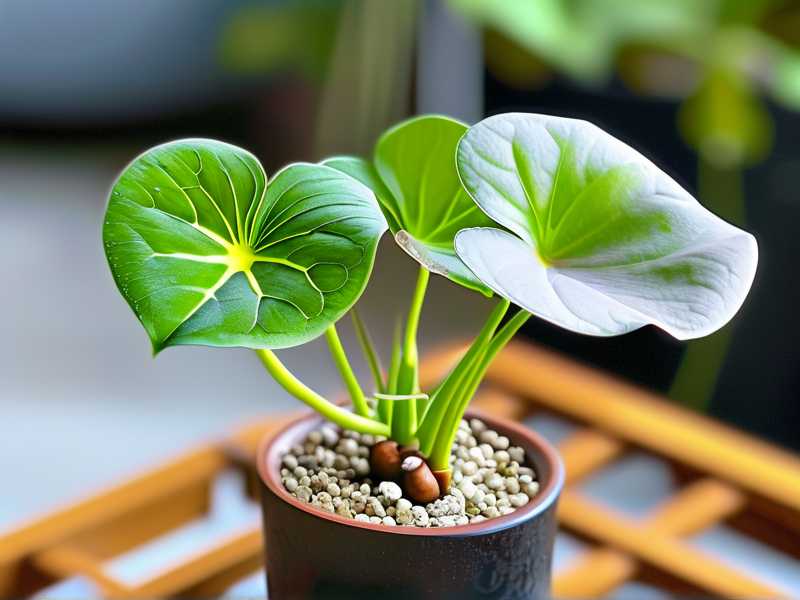
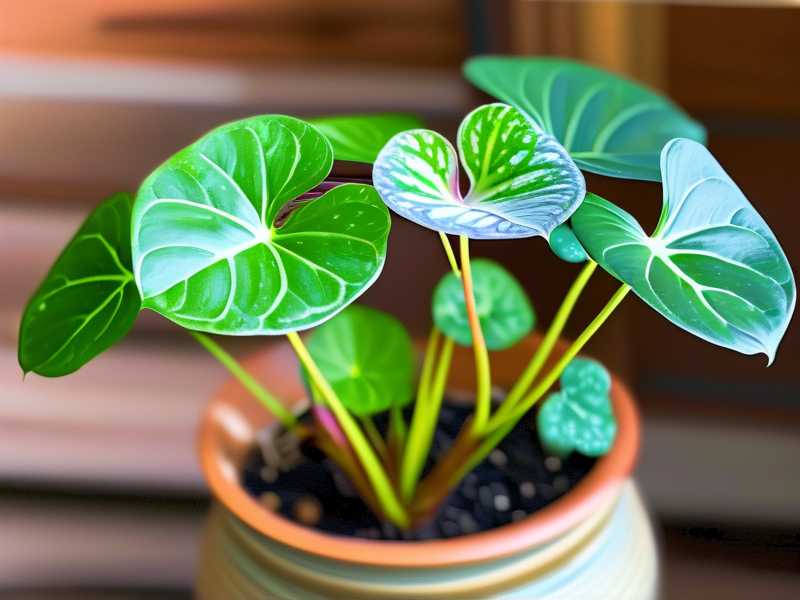
Syngonium podophyllum — arrowhead plant, arrowhead vine, goosefoot plant — is one of the most forgiving tropical houseplants out there. Until you overwater it. The leaves are arrow-shaped when young and start lobing as the plant matures. You'll find them in green, white, pink, and even near-black cultivars. They grow fast, tolerate average home humidity, and look fantastic trailing from a shelf or climbing a moss pole.
The Royal Horticultural Society notes that Syngoniums are grown for their foliage and thrive in bright, indirect light with moderate watering — a solid benchmark for home growers. The American Horticultural Society also puts tropical aroids squarely in the "moist but never soggy" category. Both organizations agree on one thing: drainage is non-negotiable.
And here's the stat nobody wants to hear: 90% of indoor plants die from overwatering. Not underwatering. Not pests. Overwatering. I've watched it happen to my own plants more times than I'd like to admit.
Light: The Quiet Partner to Every Watering Decision
Watering doesn't happen in a vacuum. It happens in whatever light your plant gets. Get the light wrong and your watering schedule falls apart.
Here's what I've learned after five years of growing these:
- Best light: Bright, indirect. A few feet back from an east or south-facing window is ideal. A sheer curtain between the plant and a west window also works.
- Tolerated light: Medium indirect. Growth slows, variegation fades a bit, and the soil dries much slower — meaning you should water less often.
- Bad light — too dark: Stems get leggy and thin, leaves stay small, and the soil stays wet for weeks. Root rot territory.
- Bad light — too strong: Direct afternoon sun scorches leaves. You'll see crispy brown patches and faded color. Move it back.
I tried putting a pink Syngonium right on a south-facing windowsill one July. By day four, the leaves looked like someone took a lighter to them. Lesson learned.
My Complete Syngonium Watering Routine
The Core Rule
Water when the top 1–2 inches of soil are dry. Push your finger in. If it feels cool and damp, wait. If it feels like a wrung-out sponge, water.
For a 6-inch pot, that usually works out to every 7–10 days in spring and summer. Every 12–16 days in fall and winter. But don't live by the calendar. Live by the soil.
How I Actually Water
I take the whole nursery pot to the sink. I run room-temperature water through the soil until it pours out the bottom. Then I let it drain for 10 minutes before putting it back in its cachepot. I never leave standing water in the saucer.
For my larger plants in decorative pots, I use the "lift test." If the pot feels light, it's dry. If it feels heavy, skip watering. Sounds obvious, but it saved me from killing my fourth Sygonium.
Signs You're Overwatering (This Is Root Rot Knocking)
- Yellowing lower leaves that feel soft, not crispy
- Soil that stays wet longer than 10 days
- Brown, mushy stems at the base
- A sour, musty smell from the pot
- Fungus gnats circling the soil
If you catch it early, stop watering entirely for two weeks. I mean it. Two weeks. I've rescued three plants this way. The leaves will look sad but the roots will recover. If the stem is already mushy, your only option is to cut above the rot, root the cutting in water, and start over.
Soil and Repotting: Where Root Rot Really Starts
You can be perfect at watering and still get root rot if your soil is wrong.
My Soil Mix
I use a chunky, airy mix:
- 40% potting soil
- 30% perlite
- 30% orchid bark
The bark holds moisture without compacting. The perlite keeps oxygen moving around the roots. I tried straight potting soil my first year. It turned into a dense brick within three months, and my Syngonium's roots suffocated.
Pot Choice Matters More Than You Think
- Always use a pot with drainage holes. Always.
- Terracotta dries faster — great if you tend to overwater.
- Plastic or glazed ceramic holds moisture longer. Fine if you're a light waterer.
- Size up only one inch at a time. A tiny plant in a huge pot is the fastest route to root rot. The soil around the roots stays wet because there are no roots to drink it.
When to Repot
Every 12–18 months, or when roots circle the bottom of the pot. Spring is best. I repot in early March before the growth spurt hits.
Fertilizing Without Making Things Worse
I feed with a balanced liquid fertilizer diluted to half strength. Once every four weeks in spring and summer. Nothing in fall and winter.
Here's the thing — never fertilize a dry plant. Water first, then feed. And never fertilize a plant that's already struggling with rot or pests. Fertilizer stresses sick roots.
I made this mistake with a recovering Syngonium in year two. Poured fertilizer into dry soil thinking it would "boost" recovery. The plant dropped four leaves in a week. Won't do that again.
Seasonal Care: What Changes and What Doesn't
Spring: Growth Restart
- Resume regular watering as new leaves emerge
- Start fertilizing at half strength
- Repot if needed — this is the best window
- Trim leggy stems to encourage bushiness
- Move closer to a bright window as light increases
Summer: Heat and Vigilance
- Check soil every 5–7 days — it dries faster
- Keep out of direct sun
- Watch for spider mites in dry heat
- Increase humidity with a pebble tray or group plants together
- Never let the pot sit in water after a heavy watering
Fall: Slow Down
- Reduce watering frequency as growth slows
- Stop fertilizing by mid-October
- Clean leaves with a damp cloth to remove dust
- Move away from cold windows at night
- Watch for yellowing leaves — normal if it's just the oldest ones
Winter: The Danger Zone
- Water sparingly — every 12–16 days, sometimes less
- No fertilizer at all
- Keep away from drafty windows and heating vents
- Room temperature water only — cold water shocks tropical roots
- Accept slower growth. Don't panic-water.
I lost my second Syngonium in January because I kept watering on my summer schedule. The soil never dried. By the time I noticed the yellow leaves, the root ball was brown mush.
The Three Mistakes That Kill Most Syngoniums
Let me be blunt about these:
1. Overwatering
This is the big one. 90% of indoor plants die from overwatering. Syngoniums are not swamp plants. They want moisture, not soup.
2. Wrong Light
Too dark means wet soil sits for weeks. Too bright means scorched leaves. Both lead to a stressed plant that's vulnerable to rot and pests.
3. Wrong Pot
No drainage holes. Too big. Sitting in a decorative cachepot with water at the bottom. I've done all three. Each one nearly killed a plant.
Pests and Problems: Quick Fixes
- Spider mites: Fine webbing, stippled leaves. Rinse with water, treat with neem oil.
- Mealybugs: White cottony clusters. Dab with alcohol, then treat.
- Fungus gnats: Sign of consistently wet soil. Let the top 2 inches dry out completely.
- Yellow leaves: Usually overwatering. Check soil moisture before anything else.
- Brown leaf tips: Usually low humidity or inconsistent watering.
- Root rot: Mushy stems, sour smell. Remove from pot, cut rot, repot in fresh dry mix, don't water for a week.
Two-Week Observation: What I Noticed When I Fixed My Watering
When I finally committed to the finger-test method, here's what happened over 14 days:
- Days 1–3: Nothing visible. I was anxious. I wanted to water. I didn't.
- Days 4–7: The soil dried properly for the first time in months. No gnats.
- Days 8–10: A new leaf unfurled on the pink Syngonium. First new growth in six weeks.
- Days 11–14: The yellowing on lower leaves stopped spreading. Two leaves that looked doomed actually recovered their color.
That two-week stretch taught me more than two years of guessing.
Frequently Asked Questions
How often should I water my Syngonium?
Every 7–10 days in warm months, every 12–16 days in cool months. But always check the soil first — the calendar doesn't know your home.
Can I water my Syngonium from the bottom?
Yes. Bottom watering encourages deeper roots and keeps the top of the soil dry, which helps prevent fungus gnats. Let it sit in a bowl of water for 20 minutes, then remove.
What does root rot look like on a Syngonium?
Brown, mushy stems at the base. Yellow leaves that feel soft. A sour smell. If you pull the plant out, healthy roots are white or tan and firm. Rotting roots are brown or black and fall apart when you touch them.
Final Thoughts From Someone Who's Killed More Than One
Syngoniums are tough plants. They forgive a lot. But they don't forgive wet feet. Get your soil chunky, your pot draining, and your finger in the dirt before you water. Do that and you'll have a plant that grows so fast you'll be trimming it every month. Trust me — I've been there, and it's a much better problem than root rot.