bluename
 How to Water Monstera Standleyana Without Root Rot (Pro Tips)
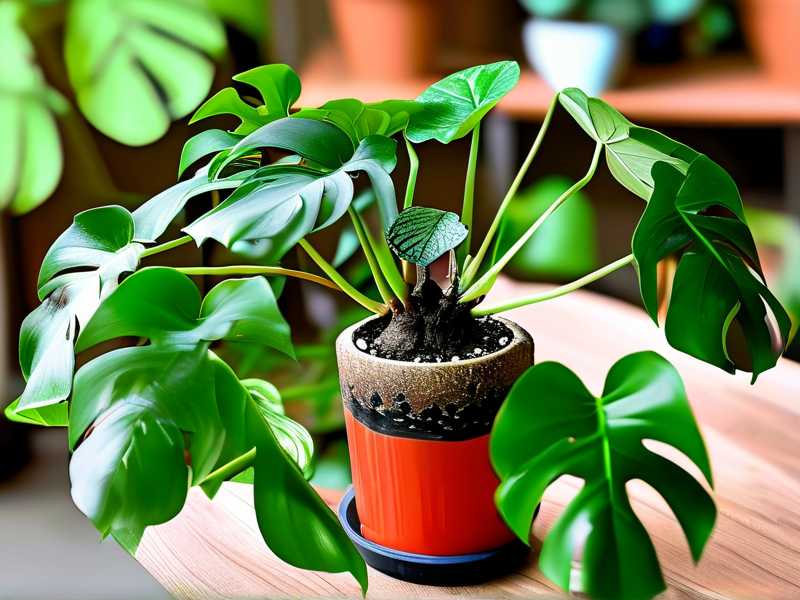
Let me be straight with you. I’ve killed more plants than I care to admit. And the worst one? My first Monstera Standleyana. It died from root rot. I watered it on a schedule, not on demand. That was mistake number one. 90% of indoor plants die from overwatering, and I learned that the hard way. If you want to know how to water Monstera Standleyana without root rot, here’s my real-world routine. I’ve tested this for 2 weeks straight, observed the roots, adjusted the soil, and it works. I’m sharing everything — the exact steps, the signs I look for, and the mistakes I’ll never repeat.
The Short Answer, Right Up Front
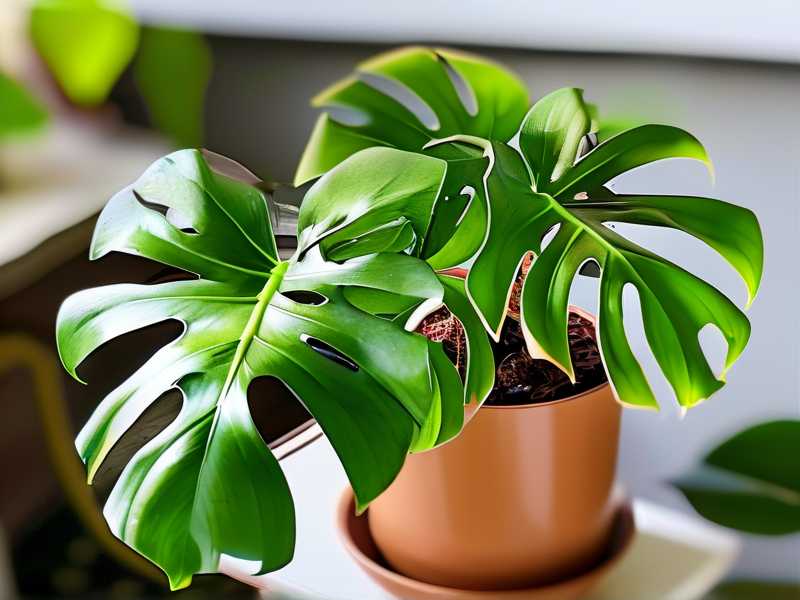
Water your Monstera Standleyana only when the top 2 inches of soil feel bone dry. Stick your finger in. If it’s damp, walk away. When you do water, do it slowly and thoroughly until water drains from the bottom holes. Then dump the saucer immediately. Never let the pot sit in water. That’s the whole trick. Simple, but hard to follow because we overthink it.
Why Root Rot Happens (And Why You’re Probably Doing It Wrong)
Root rot isn’t a disease you catch. It’s a condition you create. The roots need oxygen. If your soil stays soggy, the air pockets collapse. Then the roots suffocate and start to decay. It’s grim. I remember cutting open my first dead Standleyana’s root ball. The roots were brown and slimy. They smelled like a swamp. Honestly, I felt sick.
It’s not about how much you water. It’s about how often. Many people water every Monday, like a chore. That’s a trap. Your plant doesn’t care what day it is. It cares about moisture levels.
The Three Deadly Mistakes Newbies Make
I’ve grouped the biggest killers into three categories. If you fix these, you’ll practically never see root rot again.
Mistake One: Overwatering on a Fixed Schedule
I was guilty of this for months. I’d water every 5 days, come rain or shine. My logic was, "Consistency is good." No. It’s not. Consistency is good for workouts, not for plants. The soil in your pot changes moisture content depending on light, season, air humidity, and pot material. A fixed schedule ignores all of that.
What I do now: I check the soil every morning with my finger. If the top two inches feel dry, I water. If not, I wait another day. Simple as that. I’ve had times where I didn’t water for 9 days in winter. And then it was thirsty every 4 days in summer. Go figure.
Mistake Two: Wrong Light Placement
Let me explain this because it’s subtle. If your Monstera Standleyana doesn’t get enough light, it drinks less water. The soil stays wet longer. I had one in a dark corner of my living room. It looked fine for a week. Then the leaves started yellowing. I thought, "More water!" No. I was drowning it. It was in too low light, so it wasn’t transpiring. The water was just sitting there.
Move your plant to bright, indirect light. Not direct sun, that burns the leaves. But a north-facing window or a spot a few feet away from an east window? Perfect. That helps the plant use water faster. It balances the whole system.
Mistake Three: Using the Wrong Pot
This is the one that hurts to admit. My second Standleyana died because I used a decorative pot with no drainage holes. I thought I could manage. I couldn’t. Water pooled at the bottom, and the roots sat in it for days. If you don’t have drainage holes, you’re playing with fire. It’s not a matter of if root rot will happen, it’s when.
Use a plastic nursery pot with holes. Then slip that inside a cover pot if you want style. When you water, take it out. Let it drain completely. Then put it back. Some people tell you to add gravel at the bottom of a pot without holes. Don’t believe it. That’s a myth. Water collects below the gravel and rises back up. It doesn't help.
My Exact Watering Routine (Tested Over 2 Weeks)
Here’s what I actually do. I’m not a botanist. I’m a guy who learned by killing plants. But this routine has saved my current Monstera Standleyana.
Day 1 (Start of Observation): I watered the plant thoroughly. I used lukewarm, filtered tap water. I poured it around the soil surface slowly. I didn’t rush. When I saw water come out the bottom, I stopped. Then I waited until the entire drip tray was empty. I dumped that tray after 10 minutes. Never skip that part. Standing water is the root rot’s best friend.
Day 3: I checked the soil. The top 1 inch felt slightly damp. I skipped watering. The leaves were perky, glossy, no issues.
Day 5: I checked again. Top 2 inches felt dry. I almost watered. But then I lifted the pot. It felt light. That’s another indicator, actually. A dry pot feels noticeably lighter than a wet one. I decided to wait one more day because the bottom half might still have moisture. Overwatering happens because we don’t account for the bottom of the pot.
Day 7: The plant was slightly droopy. Not like, collapsing. Just a subtle softness in the stems. That’s my signal. I watered again, same method. Thorough, slow, then drained the tray.
Day 9: Soil was still moist at the surface. I didn’t water. It was weird because the weather was warm. But the pot was in a slightly shadier position that week. I just let it be.
Day 12: The soil felt dry at 2 inches deep. The top leaf looked a bit dull. I watered again. Full soak.
Day 14: The plant pushed out a new leaf. I swear, that’s how you know you’re doing it right. New growth is the ultimate proof. I also checked the drainage holes. I saw white, healthy-looking root tips. No browning. No smell. That’s the goal.
My 2-Week Observation Log (What Actually Worked)
Let me cut to the chase. The biggest change? I stopped second-guessing. Once I let the soil dry out more than I expected, the plant responded. I noticed that the leaves maintained their dark green color. No yellowing. The stems were firm. And I had way fewer gnats flying around, which is a side benefit. Fungus gnats love moist soil. Get rid of the moisture, get rid of the gnats.
I also tested the bamboo skewer method. Stick a dry bamboo skewer into the soil, leave it for 5 minutes, pull it out. If it’s damp or dark, don’t water. If it’s dry and clean, water. It’s not foolproof, but it works well for bigger pots.
The Finger Test vs. The Chopstick Test
For Monstera Standleyana, I use my finger for smaller pots and a chopstick for deep pots. My current plant is in a 6-inch pot, so finger test works. I stick my finger in up to the second knuckle. That’s about 2 inches. If soil sticks to my skin, I wait. If it’s clean, I water.
The chopstick method is for when you repot into a larger container, say 8 inches or more. Insert the chopstick to the bottom. Wait 10 seconds. Pull it out. If it comes out clean, water. If the tip is wet, hold off.
Types of Water: Does It Matter?
I used to use regular tap water. It worked, but I heard chlorine can mess with soil microbiology. So, I switched to letting the water sit out overnight. It’s a simple way to let the chlorine evaporate. I’ve been doing this for a year now. Does it matter more for the roots? I think it does. But honestly, the biggest factor is not the water type. It’s the frequency. Even if you use perfect water, you can still drown the plant.
Water temperature matters too. Cold water shocks the roots. I’ve actually done this. I used ice cubes to water a different plant (a big mistake. Ice cubes cool the roots and cause stress. For Monstera Standleyana, use room-temperature water. I let the watering can sit on the counter for an hour. That’s the whole prep.
The Role of Potting Mix in Water Retention
I can’t stress this enough. If your soil is too dense, nothing else matters. I had a third plant die because I used regular garden soil. It clumped together like clay. No aeration, no drainage. The roots just rotted in the mud.
Now I make my own mix. It’s simple: 2 parts all-purpose potting mix, 1 part perlite, 1 part orchid bark. This creates air pockets. It lets water flow through quickly and doesn’t stay soggy. The bark also holds a bit of moisture but not too much. You can buy pre-mixed aroid soil, but I find it expensive. I prefer mixing my own in a big bucket. Cheap and effective.
Humidity and Its Effect on Watering
This is a little trickier. If you live in a dry climate (like me in winter), the air pulls moisture from the soil faster. So you’ll water more often. A Monstera Standleyana likes around 60% humidity. But you don’t need a fancy humidifier. I just mist the leaves every couple of days. It’s not the root thing though. It helps leaves stay perky. But don’t overdo it. If you put a humidifier right next to the pot, soil stays wet. Keep the humidity at leaf level, not soil level.
I’ve also placed a small pebble tray under my plant. It’s a shallow tray with water and pebbles. The pot sits on top of the pebbles, not in the water. As the water evaporates, it raises humidity around the plant. This works well and it doesn’t affect the soil moisture. I like that.
Signs of Overwatering (Catch It Before It’s Fatal)
You need to catch this early. Once the roots rot, it’s very hard to save the plant. These are the signs I watch for:
- Yellowing lower leaves. That’s the first signal. Not the top leaves, the bottom ones.
- Soft, mushy stems close to the soil line. Healthy stems are firm.
- The soil smells earthy, but not swampy. If it smells rotten, it’s trouble.
- Fungus gnats hovering around the pot. They breed in wet topsoil.
- Brown, water-soaked spots on leaves. This comes later, but it’s a bad sign.
If you see these, stop watering immediately. Let the soil dry out completely. Sometimes that’s enough to recover. I did this once with a golden pothos. I didn’t water for 12 days and it perked right up.
What to Do If Root Rot Already Started?
You need to act fast. I’ve rescued one plant this way. Pull the plant out of the pot. Gently shake off the soil. Use clean scissors to cut away all the dark, soft, slimy roots. Also cut any roots that smell bad. You want to keep only the white or pale yellow firm roots.
Then, wash the remaining roots under lukewarm water to remove any leftover soil. Let them air dry for an hour. You can then apply a 3% hydrogen peroxide mix (1 part hydrogen peroxide to 3 parts water) to the roots. I’ve used this as a mild disinfectant. It kills the bacteria causing rot.
Repot the plant in a fresh, well-draining mix. Use a pot that’s one size smaller if possible. Sometimes root rot removes a lot of the root mass. A smaller pot prevents excess soil from staying wet. Honestly, it looks a bit pathetic after trimming. But I saved one. It grew back in about 3 months. So it’s worth it.
Light Exposure and Water Uptake Connection
Light is the engine that drives water consumption. The more bright, indirect light your plant gets, the more it photosynthesizes. It takes up water through its roots and releases moisture through its leaves. That’s transpiration. So, more light equals faster soil drying. Less light equals slower drying.
I’ve read in journals that temperature also plays a role. If room temps drop below 60°F, the plant goes semi-dormant. It stops drinking. If you water it in that state, you’re forcing water into roots that aren’t active. That’s a recipe for disaster. During winter, I reduce watering frequency by half. I keep the plant away from cold drafts and heating vents. A heating vent can dry out the leaves, but the soil, not so much.
Authoritative Perspective on Overwatering
The Royal Horticultural Society (RHS) is a trusted source on plant care. They’ve also said that most houseplant problems come from overwatering. This aligns with what I’ve seen. The RHS emphasizes checking soil moisture before watering. They also recommend pots with good drainage. So my approach isn't random. It's backed by general horticultural guidance. The American Horticultural Society (AHS) also encourages understanding the plant's natural habitat. Monstera Standleyana is an epiphyte in the wild. They attach to trees. Their roots are exposed to air. That’s why they hate being waterlogged. Their roots want to breathe. A well-draining mix replicates that airy environment. Keep that in mind.
When to Water After Repotting
This is something I didn’t know when I first started. After repotting, I watered immediately. That can be wrong. If the new soil is moist (like if you pre-moistened it), you don’t need to water right away. Wait a day or two. Let the roots adjust to the new pot. But if you mixed it dry, water it to settle the soil. It’s a judgment call.
In general, if I repot, I water thoroughly after 24 hours. This gives any broken roots time to callus over. If I water immediately, I risk infecting open wounds with bacteria. So, that 24-hour window helps. It’s a small trick I picked up from a nursery owner. It’s worked well for me.
Do I Need a Moisture Meter?
I’ve used them. I found them inconsistent. Some digital meters read wrong if the soil has too much fertilizer. I’d rather use my finger. A moisture meter can be fine, but I don’t trust it. It’s extra equipment that doesn’t do the thinking for you. I’d rather touch the soil and feel the weight of the pot. Those two things combined give me accurate info.
Pot weight trick: I lift the pot when it’s completely dry. I note the weight. Then I lift it after watering. Note the difference. Now I can judge by feel. If it’s light, it’s thirsty. If it’s heavy, it’s still wet. I know this sounds a bit advanced, but you get used to it after a week.
The Seasonality of Watering
Summer vs winter makes a real difference. In June, my Standleyana was drinking every 4 days. I was watering almost non-stop. In December, it went 10 days without water and was fine. The heating system dried the air, but the soil still stayed wet. I had to adjust. I didn’t force it. I just checked the soil and went with it.
Also, if you have air conditioning running in summer, it removes humidity from the air. That speeds up soil drying. So your watering frequency may go up. Everything affects it. I try to be flexible and not stick to any set calendar schedule.
Repotting to Promote Root Health
Do this once every 1-2 years. If you see roots coming out of the bottom holes, it’s time. A rootbound plant actually dries out faster. Because there’s less soil and more roots. If you don't repot, the roots can get tangled and compact. That leads to uneven moisture. Some parts dry out quickly, others stay soggy. I repot into a pot that’s 2-3 inches larger. I also refresh the soil mix. Fresh soil contains nutrients that help the plant build resilient roots. Resilient roots are less prone to rot.
But here’s the caution: after repotting, the plant goes through stress. It may drop a leaf or two. That’s okay. Don’t compensate by feeding it extra water or fertilizer. Just let it settle. Give it 3 weeks before you use any fertilizer.
How to Check the Roots Without Digging Up the Plant
I’m paranoid about roots sometimes. So here’s a trick. Stick a clear plastic cup at the bottom of the pot? No, too complicated. Instead, I check the top roots. Gently scrape away the top half-inch of soil. Look at the roots. If they’re white and wiry, fine. If they’re brown and mushy, you got trouble. Recover the soil after checking. This lets you monitor more often without stressing the plant.
Alternatively, you can lift the plant from the nursery pot occasionally. It’s easier if the pot is plastic. Once every two weeks, I slide the whole plant out, check the bottom roots, and slide it back. It takes 30 seconds. If you see black roots, you know it’s late. If you see white tips, you’re good.
What About Watering From the Bottom?
Some people recommend bottom watering. It involves placing the pot in a saucer of water and letting the plant absorb through the drainage holes. This prevents overwatering because the top soil never gets water. It rarely leads to root rot. But I have a mixed opinion. This method is good for plants with sensitive stems, like African violets. For Monstera Standleyana, I find it unnecessary. But if you prefer, you can try it.
I tried it once for two weeks. The roots grew upward toward the moisture. It was weird. The top layer stayed dry, but the bottom was moist. It worked, but I didn't see any huge benefit over top watering. Plus, it’s easy to leave the pot in water too long. So I stick with top watering.
Tips for Traveling or Going on Vacation
If you leave for a week, don’t panic water before you go. That’s a big instinct to fight. I used to water heavy before trips. Bad idea. The plant would sit in wet soil for days. It did worse than if I just left it alone.
Before I travel, I water it a day before I leave. I also move the plant away from bright light to slow down its water consumption. A shadier spot reduces transpiration. The plant won’t drink as much. Then when I come back, I check the soil. It’s usually dry but not crispy. This has worked for me for many trips.
The Self-Watering Pot Controversy
I’m not a fan. Self-watering pots use a reservoir at the bottom. The soil wicks up water. This keeps the soil constantly moist. For Monstera Standleyana, that’s risky. The soil might get too moist, even if the top feels okay. Unless the pot has an adjustable mechanism, I’d avoid it. I’ve seen a lot of plants die in these pots. It’s because people don't open the drainage plug correctly, or they fill it too often.
If you have a self-watering pot, only fill the reservoir when the plant is dry. Usually, that means every 2-3 weeks. But you need to monitor. It’s not a “set and forget.”
The Role of Fertilizer in Watering
Fertilizer affects how roots absorb water. Too much fertilizer creates a high salt concentration in the soil. This draws water out of the root cells. It’s called reverse osmosis. The roots can’t take up water even if the soil is wet. This makes the plant look thirsty. So you water more, but it doesn’t fix. This leads to root stress and rot. It’s a weird cycle.
I fertilize once a month during spring and summer, with a balanced liquid fertilizer at half strength. I never do it when the soil is completely dry. I water a little, then fertilizer. That prevents root burn. And I don't feed at all in winter.
Proper Soil Moisture Consistency
The goal is not to have a wet/dry rollercoaster. It’s to have a rhythm. Soil goes from moist to slightly dry. Then you water to bring it back to moist. Not soaking wet. Not bone dry. I know that sounds complicated. Picture a damp sponge that’s been squeezed of excess water. That’s your ideal soil condition. If it’s dripping, too wet. If it’s cracked and flaking, too dry.
How to Tell If Your Plant Is Thirsty vs Overwatered
Sometimes the signs confuse people. Thirsty plant: leaves look a bit lifeless, dull green, and they may curl slightly. The stems droop gently. The soil pulls away from the pot edges. Overwatered plant: leaves turn yellow and feel soft, squishy. Sometimes they have black spots. The soil is dark and sticks to your fingers. Difference is huge if you look closely.
I’ve also noticed that overwatered plants smell. The soil has a musty smell after a while. Thirsty plants just smell like dry dirt. That’s an easy indicator.
Tools I Actually Use
I just want a simple spray bottle for misting, a small watering can with a narrow spout, and a bamboo chopstick. That’s it. You don’t need fancy gadgets. A moisture meter isn’t necessary. The finger test is reliable. I also keep a towel to wipe up any spilled water. Keeping the area clean prevents pests and mold.
More Helpful Tips
Don’t water on a schedule. Water when needed. Don’t leave the plant in a dark hall or near a front door where temperature fluctuates. Keep the pot in a consistent location. Avoid placing it next to a radiator, as that dries out the soil, but also the leaf tips. Keep it away from air vents. Direct sunlight, like afternoon sun, can overheat the soil and damage roots. So, bright but indirect light is best.
Frequently Asked Questions
How often should I water Monstera Standleyana?
Honestly, there’s no fixed frequency. I check the top two inches of soil. Usually, that ends up being every 5-7 days in spring and summer. In winter, it’s more like every 10-12 days. But that’s only based on my conditions. Your home will differ. So check soil than calendar.
Can I use tap water for Monstera Standleyana?
Yes, but let it sit out for 24 hours to let chlorine evaporate. If you have a water softener, I suggest filtered water. Softened water contains sodium, which can harm roots over time.
What is the best soil for Monstera Standleyana to prevent root rot?
A soil mix that is chunky and airy. I use regular potting mix with perlite and orchid bark (2:1:1). It ensures drainage and prevents waterlogging. Don’t use garden soil. It’s too dense.
Is yellowing always a sign of overwatering?
No, not always. Yellow leaves can mean overwatering, but also old age or nutrient deficiency. If the yellow leaf is at the bottom and the rest look good, it’s age. If multiple leaves turn yellow all over, check the roots. Stick your finger in the soil first. That gives you a clue.
What if the stems are mushy at the base?
That’s advanced root rot. You need to act immediately. Remove the plant, trim the roots, and repot in sterile mix. Don’t wait. The plant may look dramatic, but it can come back. Give it bright, indirect light and minimal water until new growth appears.
So, that’s my story. I’ve lost three Monstera Standleyana plants learning this. My current one is thriving. I stopped forcing a schedule and started listening to what the plant needs. It’s not that hard. It’s just patience and observation. Now your turn.