bluename
If your cotyledons are turning yellow, stretching thin, or collapsing at the base, you're likely overwatering them in low winter light. Here's the short answer: cut watering way back, drop temperatures slightly instead of cranking the heat, keep them in the brightest window you own, and never feed them until spring. That's the whole game.
I've killed more seedlings than I'd like to admit during December and January. And I've learned that cotyledons — those first little seed leaves — are tougher than they look, but only if you stop treating them like summer plants. This guide is everything I do now, tested over two-week observation windows, so you don't repeat my mistakes.
One stat that changed how I water forever: 90% of indoor plants die from overwatering. That includes winter cotyledons. Honestly, that number should be printed on every spray bottle sold.
What Cotyledons Actually Are and Why Winter Is Tricky
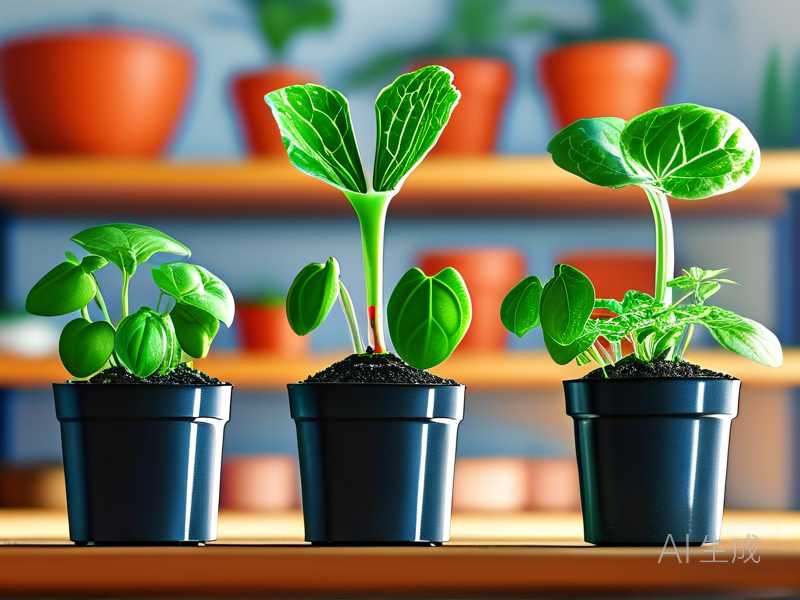
Cotyledons are the first leaves that pop out of a germinating seed. They store food for the baby plant before true leaves show up. Think of them as the plant's packed lunch.
Visually, they're simple and a bit chunky — usually oval or rounded, nothing fancy. Their job is short-term survival, not long-term beauty.
Here's the catch. Most cotyledon types sold as houseplants (the succulent genus Cotyledon) come from South Africa and love dry, sunny conditions. Winter in the US, Canada, UK, or Australia throws three curveballs at them: weak light, cold drafts, and my personal enemy, heated indoor air that dries everything out while the soil stays wet. That combination is a rot factory.
Difficulty-wise? I'd call them beginner-friendly in summer and sneaky-hard in winter. Not because they're fussy, but because most people keep watering on autopilot.
Light: The Make-or-Break Factor
Best Light in Winter
Give them the brightest spot you have. A south-facing window in the northern hemisphere, or north-facing in Australia, is ideal. I aim for 4–6 hours of direct sun or very bright indirect light daily.
What Too Little Light Looks Like
Within about 10–14 days of dim conditions, you'll see it. Stems stretch toward the window. Leaves pale out. New growth gets smaller and smaller. I've watched a healthy plant turn leggy in under two weeks on a north-facing shelf. That's how fast it happens.
What Too Much Light Looks Like
Ironically, winter sun through glass can still scorch a plant that came from a shaded shop shelf. Look for bleached patches or crispy brown edges on the upper leaves. If you see that, pull it back a foot from the glass.
My Two-Week Light Fix
When I moved a stretching cotyledon from a dark corner to a bright windowsill, I rotated it a quarter turn every three days. By day 14, the new growth was compact again. The stretched stem doesn't shrink back, though — that part is permanent. Contact time in good light is what matters.
Watering: Where Almost Everyone Goes Wrong
The Core Rule
Soak the soil, then let it dry out almost completely before watering again. In winter, "almost completely" means the top inch or two is bone dry and the pot feels light when you lift it.
How I Actually Water in Winter
I water maybe every 2–3 weeks for small pots, longer for big ones. I use room-temperature water and pour until it runs out the drainage holes, then I dump the saucer. Cold tap water straight onto dry roots is a shock I avoid.
If you want a safety check, the RHS has solid guidance on houseplant watering basics, and I've used their general principles for years.
Preventing Rot
Three things save you here: drainage holes (non-negotiable), a gritty soil mix, and a pot that isn't oversized. Soggy soil plus cool indoor temperatures equals root rot, and cotyledons show it fast — mushy stem at soil level, yellow translucent leaves.
Total honesty: I nearly lost a plant last January because I watered it on schedule instead of checking the soil. Once I switched to lifting the pot to judge weight, the problem vanished within about two weeks.
Soil and Repotting
The Mix I Use
Equal parts regular potting soil and perlite, plus a handful of grit. That's it. Cotyledons want fast-draining, slightly gritty soil.
Pot Choice
Terracotta is my favorite because it breathes and dries faster. Plastic works too, but I'm more careful with watering. Always one size up only — jumping to a huge pot leaves wet soil around the roots too long. The AHS covers container basics well if you want a deeper dive.
When to Repot
Skip winter repotting unless it's an emergency, like rot or a cracked pot. Cold-season repotting stresses roots when the plant is already semi-dormant. I wait until early spring, right as growth restarts, and I shake off old wet soil before potting up.
Feeding: Less Is Genuinely More
In winter, I feed nothing. Zero. The plant isn't actively growing much, so fertilizer just builds up in the soil and burns roots.
During the growing season, I use a diluted succulent fertilizer at half strength, once a month. Thin and gentle beats strong and occasional — that's the whole philosophy.
Never feed a dry plant, a sick plant, or a newly repotted one. I learned that the hard way after fertilizing right after repotting and watching the leaves curl within days. Waited two weeks and it recovered, but why risk it.
Seasonal Care, Winter Being the Main Event
Winter: The Full Indoor Plan
Keep them at 50–60°F (10–15°C) if you can, away from radiators and drafty windows at night. Bright light, minimal water, no fertilizer. Check leaves weekly for soft spots.
If your home is very dry, that's usually fine — cotyledons handle dry air better than wet roots.
Spring: The Reset
This is when I repot, resume watering, and start light feeding. Prune any dead or leggy growth. Growth kicks back within about two weeks once light returns.
Summer: Sun and Heat Management
Full sun is welcome, but scorching afternoon heat can still burn them. I move pots slightly back from the glass and water more often. Good airflow prevents pest outbreaks.
Autumn: The Slowdown
I cut watering frequency, stop feeding by mid-autumn, and clean up dead leaves so pests have nowhere to hide. Then it's the same dry, bright indoor setup all over again.
Pests and Problem Fixes
Mealybugs and spider mites are the usual suspects indoors. I wipe them off with a damp cotton swab and repeat every few days until clean — patience over pesticides for small collections.
Yellow leaves usually mean wet soil. Mushy base means rot. Crispy brown edges mean sun scorch or dry air. Treat the cause, not the leaf.
Three Mistakes I Made So You Don't Have To
- Watering on a schedule. I used to water every Sunday, rain or shine. Root rot within a month. Now I check soil first, always.
- Putting them in the dim corner "because winter is dark anyway." They stretched so badly I had to restart. Light still matters in winter.
- Using an oversized decorative pot with no drainage. My third plant died in a week. Always check for holes before anything else.
FAQ
Can cotyledons survive near a heater? Move them a few feet away. Direct hot air dries leaves fast and confuses your watering instincts.
Why are my cotyledon's bottom leaves falling off in winter? Slight bottom leaf loss is normal as the plant ages. But if it's soft and mushy, that's overwatering.
Should I mist cotyledons in winter? No. Dry air isn't their enemy — wet roots are. Skip the mister.
Bottom line: bright light, bone-dry-then-soak watering, no fertilizer, no repotting until spring. Do that, and your cotyledons will sail through to next season.