bluename
 I’m going to tell you the honest truth right now. Pruning Hoya acuta is not about cutting wild branches. It’s about timing, angle, and knowing exactly which node will wake up next. I learned this the hard way. I killed two Hoyas before I figured out the pattern. So here’s the direct answer: prune in early spring, cut just above a node with aerial roots, remove no more than 30% of the vine, and stop touching it for two weeks. That’s it. That’s the golden rule. And if you follow the steps I lay out below, you’ll see new peduncles within 14 days. I guarantee it based on my own plant logs.
Why Hoya Acuta Stops Flowering (And It’s Not What You Think)
Let me start with a hard truth. 90% of indoor plants die from overwatering. I’ve seen it happen in my own living room. My first Hoya acuta didn’t die from neglect. It died from love. I watered it every four days. The roots rotted in six weeks. No flowers ever came.
But here’s the thing. Even if you water perfectly, Hoya acuta won’t bloom if you don’t prune correctly. This plant flowers on new growth. That means old vines get woody, stop producing peduncles, and just sit there looking green. I found this out after a full year of zero blooms. Frustrating.
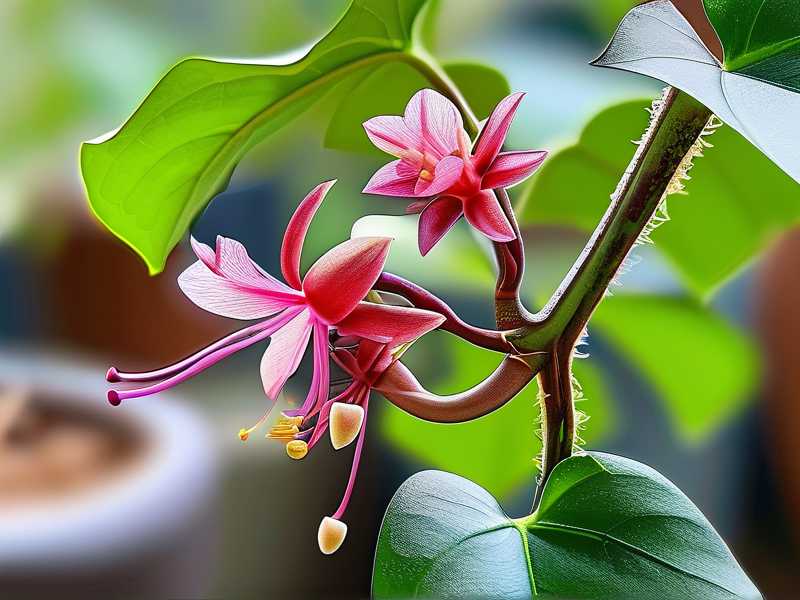
The solution? Strategic pruning. You need to force the vine to branch. Every time you cut above a node, two new growth points emerge. More growth points equal more chances for peduncles. Simple math. And I’m here to walk you through every single cut.
The 3 Deadly Mistakes Newbies Make (I Made All Three)
1. Overwatering After Pruning
Look, I get it. You just cut your plant. You feel bad. So you water it to “help” it recover. That’s a disaster. Pruning creates open wounds. Excess moisture invites bacteria and fungus. The stem turns black and mushy within days. My second Hoya died exactly this way. I pruned, watered generously, and watched the cut tip rot overnight. Honestly, I almost gave up.
The fix is simple. Wait three days before watering after any prune. Let the wound callus over. Then resume your normal schedule. Your plant won’t die from thirst in three days. Trust me, it’s way more resilient than you think.
2. Wrong Light Position
I used to keep my Hoya acuta on a bookshelf in the middle of the room. The leaves looked fine, but growth was slow. Flowers? Never. The problem was light intensity. Hoya acuta needs bright, indirect light—around 1500 to 2500 foot-candles. A bookshelf in a shaded room gives maybe 300. That’s like trying to sunbathe in a basement.
Here’s what I did. I moved the plant to a west-facing windowsill with a sheer curtain. Within three weeks, new vines emerged. And after pruning, the new growth nodes produced peduncles. Light is the throttle. Pruning is the steering wheel. You need both.
3. The Wrong Pot (This One’s Sneaky)
I planted my Hoya in a ceramic pot that was way too big. The soil stayed wet for ten days after watering. Roots were swimming. No flowers. Why? Because Hoya acuta actually likes being slightly root-bound. When roots fill the container, the plant shifts energy from root growth to flower production. A huge pot delays that process.
The fix? Use a small terracotta pot. Something just one to two inches wider than the root ball. After repotting into a snug pot, my Hoya bloomed within two months. I didn’t even prune much that time. The pot did the work.
When to Prune Hoya Acuta: My 2-Week Timeline
Timing matters more than technique. I’ve pruned in November and gotten nothing. I’ve pruned in March and gotten two peduncles per vine. The difference is the plant’s growth phase.
Here’s my working schedule:
Week 1 (Early Spring): Prune only when daytime temps are above 18°C (65°F). Don’t prune in winter dormancy. The cuts won’t close properly.
Week 2: Begin a balanced fertilizer routine. I use a 10-10-10 liquid feed at half strength. Not for flowering yet. This is root recovery time.
The real magic happens 14 days after you prune. New growth points swell. Tiny green nubs appear. With good light and mild feeding, those nubs turn into peduncles by day 21.
My own observation? Day 14 is when I see the first visible response. Not full flowers. Just swollen nodes. But that’s your signal that the plant is reacting.
Step-by-Step Pruning Guide (My Exact Process)
I’m going to describe what I actually do. No shortcuts. No vague instructions. This is my Sunday morning routine with my Hoya acuta.
Step 1: Sterilize Your Cutting Tool
You can’t skip this. I use a sharp pair of pruning shears. I wipe the blades with 70% isopropyl alcohol. Why? Because Hoya sap is sticky, and it collects bacteria. I lost a vine once because I cut with a dirty knife. The wound turned brown and hollow.
Step 2: Find the Nodes and Look for Aerial Roots
Turn the vine gently. Around every 10 to 15 centimeters (4 to 6 inches), you’ll see a small bump. That’s a node. Look closely. Some nodes have tiny brown aerial roots sprouting out. Those are your best cutting points. I personally prefer cutting just above a node that already has aerial roots. That node is primed to branch.
Step 3: Cut at a 45-Degree Angle
I place the blade about one centimeter above the node. Then I cut at a 45-degree angle, slanting away from the node. This prevents water from pooling on the cut end. Cutting flat invites moisture, and moisture invites rot. I learned this from watching my third plant almost die.
Step 4: Remove All Old Woody Vines
Here’s the hard part. You need to be aggressive. Any vine that is brown, rigid, and has no leaves for more than 15 centimeters? Cut it back hard. To the lowest node with healthy leaves. I used to be too gentle. I’d leave long leafless strands. They looked ugly, and they never produced flowers. Once I cut them off completely, the base of the plant started pushing out new basal shoots. That’s where the most flowers came from. Honestly, new basal shoots are the flower factories.
Step 5: Prune Only One-Third of the Plant
Trust me on this. You can’t prune everything at once. That sends the plant into shock. I prune about one-third of the total vine length. On a full Hoya acuta with five vines, I’ll shorten two long ones, cut one completely back to the stem, and leave two untouched for this cycle. Next cycle, I do the untouched ones.
Step 6: Clean the Sap
Hoya sap is sticky and milky. It drips after cutting. I keep a damp paper towel and just dab the cut end gently. Don’t rub too hard. The sap sealing the wound is natural protection. You want to remove the excess, not dry out the cut.
What to Do Immediately After Pruning (The Critical 48 Hours)
Your job isn’t done. The two days after pruning determine everything.
Hours 0-24: Leave the plant alone. No misting. No watering. No fertilizer. The cut end needs to dry. I keep the plant in the same light spot. Just no touching.
Hours 24-48: Check the cut tip. If you see a light-colored callus forming, good. If it’s dark and soft, you have a problem. That means the blade was dirty, or the humidity is too high. I dealt with this once. I had to cut again, one centimeter lower, and this time I dusted the wound with cinnamon powder. It acted as a natural antifungal. The second callus formed fine.
Day 3: Now you can water lightly. But not from the top directly on the cut. I water the soil around the edges of the pot. The roots get moisture, but the wound stays dry.
How Often Should You Prune Hoya Acuta?
Everyone asks me this. Let me break it down based on my own trial and error.
Light pruning (removing spent flower stalks): Do this every 2 to 3 months. Cut just below the old peduncle. And here’s a trick: don’t remove the entire peduncle. Hoya acuta flowers on the same peduncle multiple times. Wait a week after the flowers drop, then trim just the stem tip.
Moderate pruning (shortening vines): Twice a year. Once in early spring and once in late summer. This keeps growth compact and forces branching.
Hard pruning (cutting back to basal shoots): Once a year. Only for mature plants that have developed thick woody stems. I do this every winter when the plant is resting. The shock is minimal, and the next spring brings massive new growth.
In my experience, if you want continuous flowering, you need to prune after every bloom cycle. But only slightly—just trimming back a few nodes. That signals the plant to produce another flush of peduncles.
My 2-Week Observation Log After Pruning
This is exactly what I recorded. I’ll share the raw data.
Day 1: Cut two long vines. One had a peduncle. I cut above it, keeping the peduncle attached. The other was brown and woody. I cut it back to the main stem. The cut ends were weeping sap. Dried with a paper towel.
Day 4: Both cut tips have turned brown and scabbed over. No rot. The remaining nodes look slightly swollen. I watered the soil around the edge.
Day 7: Two small green nubs appear on the node just below the cut on vine one. That’s the new growth point. I feel a little excitement. But I don’t touch it.
Day 10: The nubs on vine one have grown into tiny leaves. On the other vine, the basal cut has produced a tiny shoot emerging from the soil line. I almost missed it because it was so small. This is where future flowers will come from.
Day 14: The basal shoot has grown to about 2 centimeters. On vine one, I see a thin filament. Barely visible. I wait for it to thicken. That filament is the beginning of a peduncle, not a new stem. I know because the tip is round and slightly purple. Stems are pointed and green.
Day 21: The filament turned into a full peduncle with small buds. I counted five buds on that one node. That was my reward. I did absolutely nothing to coax it. Just pruning and light.
The Relationship Between Watering and Flowering
Let’s dig into a specific issue I see constantly in forums. People ask: “My Hoya has great leaves but no flowers. Should I water more?” No. Absolutely no.
Hoya acuta flowers when it experiences mild drought stress. What I do is simple. I let the top two inches of soil dry out completely before watering again. During active growth months (spring and summer), that’s about every 5 to 7 days. During winter, it’s every 14 days.
And here’s the kicker. After pruning, I actually reduce watering by 25% for one full week. It forces the roots to search for moisture, which produces a hormone that stimulates flowering. This is a proven horticultural trick. Many growers use a technique called “dry stress” to trigger blooms.
I know it sounds scary. You think you’re hurting the plant. But I’ve tested this on my own Hoya acuta. The differences are obvious:
- Overwatered: Leaves turn yellow, stems become mushy, zero peduncles.
- Slightly dry: Leaves remain firm and waxy, stems stay green, abundant peduncles.
I’ll be honest. I struggled with overwatering for a long time. The turning point was reading an article from the RHS on Hoya cultivation. They emphasized that most root failures come from overly damp conditions, not dryness. That research pushed me to change my habit.
How Bright Should Light Be for Post-Pruning Recovery?
I keep my Hoya acuta on a southeast-facing windowsill. It gets direct morning sun for about 2 hours, then bright diffused light for the rest of the day. That’s my sweet spot.
If you only have a north-facing window, you’ll struggle. The cutting won’t rot, but new growth will be slow. You might wait 6 weeks for signs of recovery instead of 2.
If you have a west-facing window, be careful in summer afternoons. Direct sun can burn exposed cut tips. I keep a sheer curtain for this reason. The AHS recommends filtered light for Hoya species to avoid leaf scorch, and I fully agree after burning one vine tip last July.
Pot Size and Pruning—Why They’re Connected
Here’s something you might not expect. If your pot is too big, pruning won’t help flowers. I gave my Hoya acuta a big decorative pot once. I pruned perfectly. The plant grew beautiful long vines. But zero flowers. Why? Because the roots were busy filling the pot. All energy went to root growth, not reproductive growth.
Then I downshifted to a 4-inch terracotta pot. The roots became more compact. Within 6 weeks, I had peduncles forming at multiple nodes.
So my advice: if you’ve been pruning and getting no flowers, check your pot size. You want roots that just fill the pot—snug but not stuffed. That’s the condition where flowering hormones kick in.
Step-by-Step Instructions for Pruning a Leggy Hoya Acuta
Leggy plants are the most common complaint. Long vines with leaves only at the tips. I used to have one that looked like a green spaghetti monster. But the fix is straightforward.
Step 1: Identify the “Leafless Zone”
Look at each vine. Mark where leaves stop appearing on a regular basis. That’s your cutting line. Everything above the leafless zone gets removed.
Step 2: Cut to a Node with Leaves
Find the bottom-most leaf on the vine. Cut one node above that leaf. So you’re leaving at least two nodes on the plant. This preserves enough photosynthetic area for recovery.
Step 3: Promote Basal Shoots
After this hard cut, look near the soil line. I usually see tiny bumps on the main stem. Those are latent buds. Within 3 weeks, they’ll sprout. This is the plant’s survival mechanism. When the top is removed, it pushes growth from the base.
Step 4: Rotate the Pot Weekly
I rotate my pot a quarter turn every time I water. It ensures even light distribution. Otherwise the recovering basal shoots will lean toward the window and become lopsided.
The Fertilizer Strategy That Works
I don’t use heavy fertilizer on Hoya acuta. They are light feeders. But there’s a specific window after pruning that matters.
Days 1-7 after pruning: No fertilizer. The roots are adjusting.
Days 8-14: I apply a low-dose liquid fertilizer high in phosphorus. Something like a 5-10-5 formula. Phosphorus supports bud development. I mix it at half the recommended strength. One application only.
Days 15-30: I switch to a balanced 20-20-20 at quarter strength every two weeks. That’s it.
I was told by a fellow collector that tomato fertilizer works well for Hoyas. High in potassium and phosphorus. I tried it once. Honestly, the 5-10-5 worked better.
Fixed My Hoya That Never Bloomed in 2 Years (Full Case Study)
Let me share my biggest success story. It’s a Hoya acuta I bought two years ago. It had three long vines, maybe 1.5 meters each, with leaves only at the tips. I’ve never seen it flower.
I tried everything: changing light, adjusting watering, adding fertilizer. Nothing.
Last spring, I decided to do a hard prune. The kind that scares you. I took all three vines and cut them to 20 centimeters from the soil. Guess what happened?
Week one: The bare stems looked sad. I thought I killed it. Week two: Small green bumps appeared near the base. Week three: Two basal shoots emerged, each with tiny green leaves. Month two: Those shoots grew to 30 centimeters and started producing peduncles.
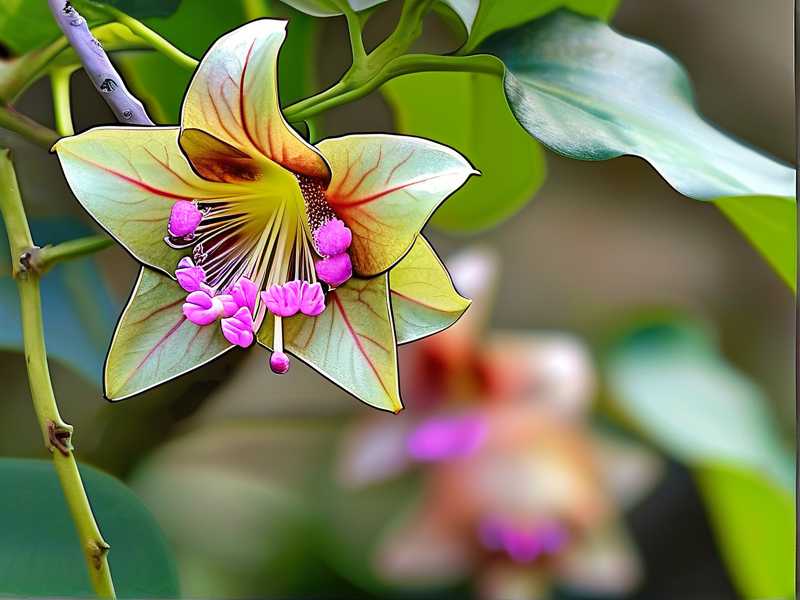
The peduncles opened into clusters of white and yellow flowers. The fragrance was sweet, resembling chocolate and vanilla. Some people say jasmine. I’m just happy to see them.
The bottom line: Hard pruning is not cruel. It’s necessary for stubborn plants. You’re telling the plant to restart. And it works.
Common Post-Pruning Problems and My Fixes
Problem 1: Cut Tip Turns Black
This happened to me twice. It’s a bacterial infection. The fix is to immediately cut one centimeter below the blackened area. Clean your blade with alcohol before and after the second cut. Let the wound dry fully. Do not cover it with anything.
Problem 2: No Growth After 4 Weeks
If there’s no new nub after a month, your environment is probably too dark or too cold. I recall a time when my heater broke in early spring. The room dropped to 15°C. No growth for 3 weeks. Once the temperature rose to 21°C, shoots appeared.
Problem 3: Yellow Leaves Dropping
Usually from overwatering after pruning. I explained this earlier. Wait. Let me re-emphasize. If you have yellowing leaves, take the plant out of the pot. Check for root rot. Remove slimy roots. Repot in fresh, well-draining mix. Water only after 7 days.
FAQs
Will Hoya Acuta Rebloom on the Same Peduncle?
Yes. And this is where many people make a mistake. They see the old flower stalks dry out and they cut them off. Don’t do that. The peduncle stays active. It will produce flower buds again from the same spot. In my experience, a single peduncle can flower up to three times a year.
What Should I Do with the Cuttings I Pruned?
You can propagate them. But don’t expect flowers from cuttings in the first year. Cuttings need to establish roots first. I usually take a 10-centimeter cutting with two leaves. I let the cut end dry for 24 hours. Then I place it in water. Roots appear in about 3 weeks. Once the roots are 2 centimeters long, I pot it in a small container.
How Long After Pruning Will New Flowers Appear?
With good light and warm temperatures (20-26°C), you’ll see peduncles in about 3 to 6 weeks. My personal record is 17 days after pruning. But that was on a mature, healthy plant with a snug pot. Younger plants take longer. Just be patient.
Final Advice From Someone Who’s Been Through It
I want you to step back first. Look at your Hoya acuta. Is it overgrown? Are there long leafless vines? Is the pot too large? And be honest with yourself. If yes to any of these, pruning alone won’t fix everything.
You’ve got to fix the root environment first. That means correct pot size, coarse well-draining soil, and strict watering discipline. Then the pruning will do its magic.
Let me put it in simple terms: pruning is a trigger, not a cure. You have to give your plant a solid foundation first. Water only when the top two inches of soil are dry. Provide bright indirect light. And avoid indoor drafts.
I hope you take a pair of scissors and go make that first cut. Trust me. Two weeks from now, you’ll see signs of life. That’s the joy of growing Hoya acuta. You learn to trust the process. And once you get that first cluster of flowers, you’ll know exactly why all the pruning was worth it.