bluename
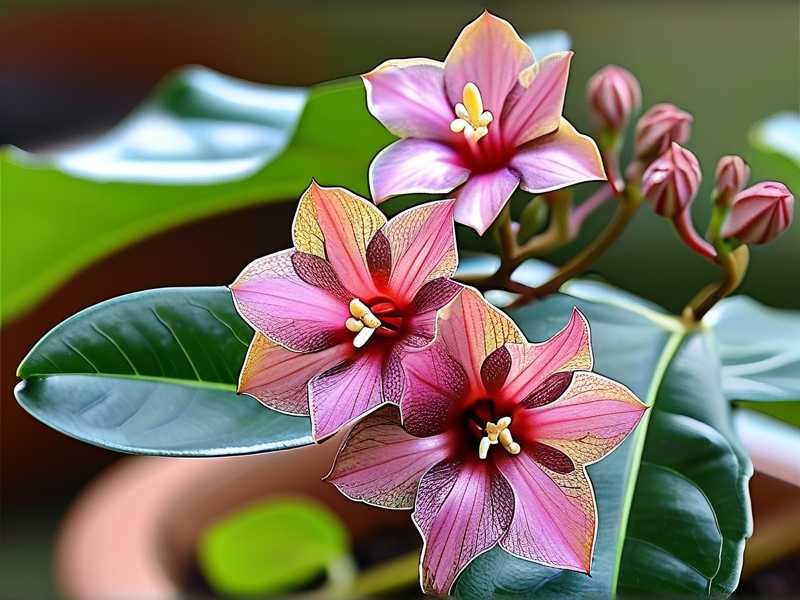
 How to Get Your Hoya Albida to Bloom More – Pruning Is Key
Straight to the point: During spring’s active growing season, snip off 1–2 pairs of leaves from the tip of every vine. Remove all yellowed, weak branches at the same time. Pair this with ample bright light, and you will spot new shoots sprouting within two weeks, laying solid groundwork for blooms.
As a plant lover who killed three Hoya plants before figuring out the tricks, I know exactly how it feels to stare at bare vines and sigh. My first Hoya Albida arrived lush and green, yet I hesitated to prune it. Over time, it grew sparse, all lower leaves dropped off, leaving nothing but bare stems. I learned later that 90% of Hoya Albida’s poor flowering stems from overlooked pruning and care details.
Here’s a vital truth you must remember: 90% of indoor plants die from overwatering. Hoya Albida, also widely known as Silver Splash Hoya or Albida Variegata, is extremely prone to root rot. Its fleshy roots and waxy leaves store water naturally; excess moisture will rot its roots rapidly. That’s how I lost my second plant. I watered whenever the topsoil appeared dry, unaware the deeper soil remained saturated. Two weeks later, leaves turned limp and yellow. When I pulled it out, the roots were completely black.
How to Prune Hoya Albida for More Flowers (Step-by-Step)
I’ve stumbled through every beginner pitfall, and they boil down to three common mistakes: ① Overwatering. I once stuck to a rigid once-weekly watering schedule, and still lost a plant in winter. I finally adopted this life-saving trick: stick your finger two knuckles deep into the soil, and water only once it dries out. This method saved my third Hoya.
② Improper lighting. Many people believe hoyas tolerate shade and place them in dim living room corners. This is wrong! For Hoya Albida to bloom, it needs bright indirect light, plus gentle direct morning or evening sunlight. The plant I kept on an east-facing windowsill produced three times more flowers than the one placed indoors.
③ Wrong pot size. I started with a large terracotta pot, which held too much damp soil that dried slowly, keeping roots perpetually moist. After switching to a smaller nursery pot with good drainage, new peduncles emerged quickly.
Why Pruning Boosts Flowering – Understand Its Blooming Cycle
Hoya Albida produces flower clusters exclusively from leaf axils on new growth. If you keep overly long, aged vines, nutrients get wasted sustaining old stems instead of generating new shoots. Pruning forces the plant to redirect nutrients toward dormant lateral buds, triggering fresh growth. More new branches equal more potential flowering sites.
The Royal Horticultural Society (RHS) confirms that moderate pruning significantly increases branching and flowering chances for Hoya species. My own cultivation observations back this up: two weeks after trimming, two axillary buds below each cut swell almost simultaneously, sprouting paired tiny leaves a week later. These new stems will become your flowering branches.
Additionally, resources from the American Horticultural Society (AHS) note that regular removal of aging branches improves airflow inside the plant and prevents disease. This matches my experience perfectly. After clearing crowded inner growth, scale insects stopped plaguing my foliage.
What You Need Before Pruning (Don’t Start Without Preparation)
Supplies are simple:
A sharp, clean pair of scissors or craft knife. Sharp cuts heal quickly; blunt blades crush plant tissue and raise infection risks. I once used ordinary kitchen scissors, which tore stems and caused that vine to wither – a costly lesson.
75% isopropyl alcohol pads. Wipe blades before and after pruning, especially if you’ve trimmed diseased plants, to avoid cross-contamination.
A small spray bottle (optional). You can mist cut surfaces with diluted carbendazim, though this is not mandatory; keeping wounds dry works just as well.
Important: Stop watering one week ahead of pruning. Slightly drier conditions make stems tougher, reduce sap bleeding from cuts, and lower the risk of rot.
Step 1: Identify What to Cut and What to Keep (The Most Critical Judgement)
Examine your Hoya Albida closely and separate branches into three categories:Branches to remove:
Fully woody, greyish bare stems with minimal leaves
Withered, yellow, limp branches
Inward-growing, crossing tangled stems that block light penetration
Branches to preserve:
Vibrant green, plump, glossy young vines
Stems bearing peduncles (old flower stalks). Never cut off peduncles! Hoyas rebloom repeatedly from existing stalks; trimming them eliminates future blossoms.
Optional branches (prune or retain based on your preference):Overly extended vines. Cut them back by 1/3 to 1/2 if you want a compact shape. Leave them intact for a trailing display on windowsills.
I once made the mistake of refusing to remove old bare stems, hoping they would bloom. Once heavily lignified, old vines lose most flowering ability and only consume nutrients.
Step 2: Cutting Position & Angle – Millimeters Make All the Difference
Locate the node – the slight bump where leaf stalks connect to the vine. Always cut 0.5–1 cm above a node. Cutting too close removes the dormant bud, leaving nowhere for new growth to emerge. Cutting too far above the node leaves an unsightly dead stub prone to dieback and infection.
Make a clean 45° angled cut. The slanted surface heals faster and prevents water from settling on the wound. Use a craft knife for thick stems to achieve a smooth cut. Leave only one dominant bud per node. If lateral buds look plump, cut just above outward-facing buds to encourage spreading growth and avoid overcrowding at the plant’s center.
Step 3: Care Right After Pruning – Break One Bad Habit
Do two things within 24 hours of trimming:
Skip misting the plant. Many gardeners spray foliage after pruning, but moist wounds invite bacteria for succulent-leaved plants like hoyas.
Move it to a well-ventilated spot with soft light. Avoid harsh direct sun and deep shade. I place mine on a north-facing windowsill for two days to let wounds scab over, then resume normal care.
Don’t discard healthy cuttings! Select robust segments roughly 10 cm long, remove the bottom two leaves, and insert them into damp vermiculite under bright indirect light. Roots develop within two weeks. I propagated three new plants this way and gifted one to a friend.
My 14-Day Observation Log After Pruning
Changes become visible day by day: Days 1–3: Pale yellow sap dries on cut surfaces – this is normal. No blackening or rot appears, and cut edges shrink slightly without sinking inward. Day 5: A tiny hard green bump emerges at the first node below the cut, easily mistaken for debris at first glance. Day 7: The bump expands to the size of a millet seed, shifting from pale green to vivid green. A second tiny bud appears on the node beneath it, signalling nutrient redistribution. Day 9: The first bud splits into two lobes, revealing emerging young leaves. This is when you can confirm new growth is active. Day 14: The first pair of variegated silver-marked leaves fully unfurl, slightly smaller than mature foliage. The second bud sprouts two needle-sized leaves. The whole plant looks firmer, as nutrients feed new shoots.
Post-Pruning Light & Water Adjustments Determine Future Blooms
Pruning alone isn’t enough. Care in the two weeks after trimming decides whether new shoots develop into flowering stems.Watering: Extend your watering cycle immediately after pruning. Instead of watering as soon as soil dries, wait an extra two days. Mild drought stress encourages roots to channel resources into new buds. Remember: hoyas thrive with a little neglect.
Fertilizing: Apply a diluted weak fertilizer on the seventh day after pruning. Choose high-phosphorus potassium feed such as Peters Professional 20-20-20 Bloom Booster or Miracle-Gro Flower Formula, mixed to half the recommended concentration. High phosphorus and potassium stimulate blooming; excess nitrogen fuels leafy growth with few flowers. Balancing this ratio took me lots of trial and error.
Lighting: New shoots demand ample light two weeks after trimming. I shift my plant to a west-facing windowsill behind sheer curtains for gentle afternoon sun. New leaves grow thicker with more defined silver variegation under sufficient light. Low light produces undersized, pale new foliage that loses its markings.
Three Non-Negotiable Rules – Better Under-Pruning Than Over-Pruning
From hard-earned experience, avoid these irreversible mistakes:
Never snip aged peduncles beside spent flowers. Hoyas rebloom from these stalks. I once trimmed a brown peduncle for tidiness, and no flowers grew there afterwards – I deeply regretted it.
Do not remove partially dormant aged branches prematurely. I once cleared all semi-weak stems, which disrupted transpiration. Roots generated masses of aerial roots within a week. Some of those retained seemingly lifeless stems sprouted new leaves after half a month.
Avoid pruning newly purchased plants immediately. I killed my second hoya by heavy trimming three days after it arrived. It was still acclimatizing, with unstable root systems. Losing too much foliage triggered severe wilting. Wait at least one month until consistent new growth appears before pruning. Few gardeners share this critical tip.
My Personal Tip for Multiple Flower Clusters in One Season
Most growers don’t know this secret: alongside pruning, temperature fluctuations encourage abundant blooms. Once new stems reach roughly 15 cm long, move the plant near a window overnight to create a nighttime temperature 5–8°C cooler than daytime temperatures. This temperature difference tricks Hoya Albida into producing more flower clusters. My plant can bear six umbels each blooming season thanks to this method. When buds form, I often check their growth late at night with a flashlight.
Frequently Asked Questions
Q: Why do vines wilt after pruning? A: This usually stems from infected cuts or watering too soon. Inspect stems for blackened wounds; if present, trim back to healthy tissue, pause watering for one week, and place the plant in strong ventilation to recover.
Q: My Hoya Albida grows long vines but never blooms. What’s wrong? A: You are likely making one of two mistakes: overfeeding nitrogen fertilizer – switch to high-phosphorus potassium feed – or insufficient light. Even with proper pruning, insufficient sunlight stops bud formation. Try positioning it where it receives two hours of gentle morning direct sunlight.
Q: When is the best pruning window? A: Early spring through early summer, when new growth begins. This active growth phase allows fast recovery after trimming. Pruning in autumn or winter during dormancy results in extremely slow wound healing, raising risks of dieback and cold damage.
At its core, pruning Hoya Albida is a way to communicate with your plant: redirect its energy toward fresh growth instead of sustaining aging vines. During those two weeks after trimming, watching dormant buds develop fills you with the same excitement as opening a mystery box. My Hoya Albida is now covered in developing buds, ready to open soon. I hope yours bursts into abundant blooms too. When pruning, if you are unsure about any cut, always err on the side of trimming less rather than cutting too aggressively. If you find this guide useful, share it with fellow hoya growers!