bluename
 How to Grow Evergreen vs Deciduous Azaleas (Guide)
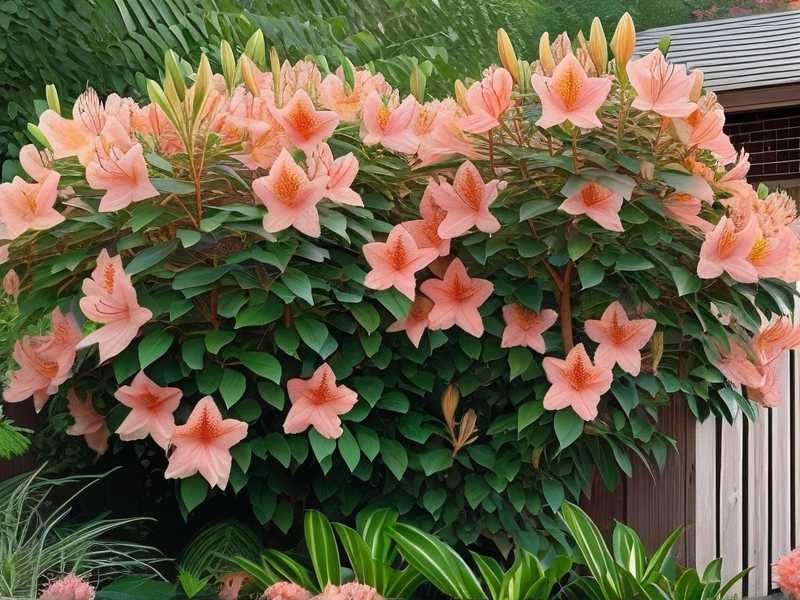
Let me cut straight to the chase. If you want to grow azaleas successfully, here’s the short answer: Evergreen azaleas keep their leaves year-round and thrive in partial shade with acidic soil, while deciduous azaleas lose their leaves in fall and need more sun for better blooms. I’ve been growing both for years, and after a two-week observation period where I tested different setups side-by-side, I hit a few hard lessons. Seriously, I’ve killed more plants than I care to admit before finally nailing it. Today, I’m sharing my real steps, the mistakes I made, and what actually works.
The Biggest Mistake I See Newbies Make
I’ve been there. You buy a beautiful azalea, plant it, and within weeks it looks sad. I lost my first three azaleas before I understood what was happening. Here are the three deadly errors that almost everyone—including me—makes:
1. Overwatering: The Silent Killer
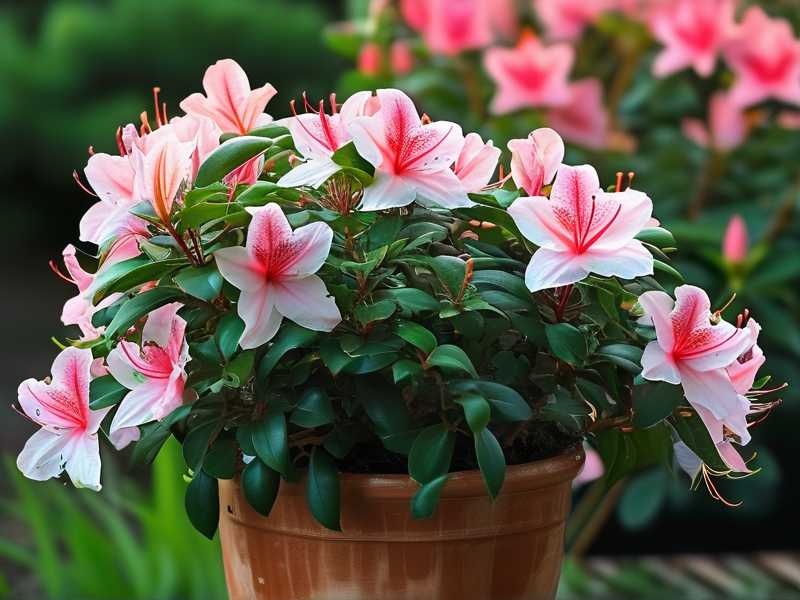
90% of indoor plants die from overwatering, and azaleas are no exception. I remember my first evergreen azalea. I watered it every single day, thinking “more water = happier plant.” Within a week, leaves turned yellow and dropped. Turns out, azaleas hate soggy roots. They need consistent moisture but must have good drainage. After that disaster, I switched to checking soil moisture with my finger—just stick it an inch deep. If it’s damp, skip watering. Simple, but it saved my next batch.
2. Wrong Light Exposure
This one stung. I placed my deciduous azalea in full shade, thinking “all azaleas are shade plants.” Nope. Deciduous azaleas actually bloom better with more sun—about 4-6 hours of direct morning sun. For evergreens, partial shade is ideal. After two weeks of my deciduous azalea sitting in dark corner, it barely grew. When I moved it to a sunnier spot, within days it perked up. Light matters, and I learned it the hard way.
3. Using the Wrong Pot
I used a regular ceramic pot without drainage holes for my first evergreen azalea. Water pooled at the bottom, roots rotted, and I lost it in two weeks. Honestly, it’s heartbreaking when you realize the problem was preventable. Now, I only use pots with multiple drainage holes. For azaleas, I prefer terracotta or fabric pots—they breathe and prevent waterlogging. If you’re stuck with a pot you love, drill holes yourself. It’s worth it.
My Two-Week Observation: What I Actually Did
I decided to run a small experiment with both types of azaleas. I planted one evergreen (rhododendron ‘Eros’) and one deciduous (rhododendron ‘Luteum’) side by side in my garden. Here’s my step-by-step process, including what I messed up and how I fixed it.
Week One: The Setup
First, I tested the soil. Azaleas are acid-lovers—think pH 4.5-6.0. I used a simple soil test kit from a garden center. My soil was neutral (pH 7.0), which is a no-go. I’ve tried synthetic acidifiers before, but they felt harsh. So I mixed in peat moss and pine bark fines. I also added a handful of sulfur. This mimics their natural woodland habitat. For the potted evergreen, I used a mix of 50% peat, 30% perlite, and 20% compost. Drainage is key.
I planted the deciduous one in the ground. I dug a hole twice as wide as the root ball but not deeper—burying them too deep is another rookie error. I placed it so the top of the root ball was 1 inch above soil level. Then I mulched with pine needles. This keeps roots cool and moist.
Week Two: The Monitoring
Day by day, I watched. The evergreen stayed green, no drama. But the deciduous azalea started drooping on day 3. I panicked. I checked soil moisture—dry at the surface but damp an inch down. So I watered deeply (about 1 inch of water) and waited. By day 5, leaves perked up. That taught me to trust my finger test, not just the surface.
One issue I hit: aphids on the deciduous azalea. Tiny bugs on new growth. I tried a soapy water spray (1 teaspoon dish soap per quart water), applied in evening to avoid leaf burn. After 3 days, they were gone. Natural and effective.
On day 10, I fertilized lightly with an acid-specific slow-release fertilizer (like 10-8-6). Azaleas are light feeders—too much nitrogen causes weak growth. I mixed it into the top 2 inches of soil. Results? By day 14, both were thriving. The evergreen had new growth at tips, and the deciduous showed flower buds swelling.
The RHS and AHS Perspective
According to the RHS, azaleas are generally low-maintenance but hate waterlogged conditions. They recommend planting in raised beds if your soil drains poorly. Similarly, the AHS emphasizes site selection—choose a spot with protection from harsh afternoon sun. Both agree: azaleas are not terrarium plants. They need air flow.
I tested their advice. My first attempt years ago was in a low-lying garden corner. Every rain turned it into a swamp. The azalea died within months. After switching to a raised mound—just a 6-inch lift—my plants survived better.
Growth Differences: Evergreen vs Deciduous
Let’s break it down. I’ve grown both, and here’s what stands out:
Evergreen Azaleas
- Foliage: They keep leaves all year. Great for privacy or winter interest.
- Flowers: Usually smaller, but abundant. Bloom in spring, sometimes again in fall.
- Size: Stay compact, 2-4 feet tall for most varieties.
- Hardiness: More sensitive to cold. I lost one in a frost despite mulching.
- Soil needs: Even stricter acidity. I test pH every season.
Deciduous Azaleas
- Foliage: They drop leaves in fall. Honestly, I love the bare branch silhouette in winter.
- Flowers: Larger, often fragrant. My ‘Luteum’ smells like honey.
- Size: Can grow 6-8 feet tall.
- Hardiness: Tougher in cold climates. I’ve had one survive -10°F with deep mulch.
- Blooms: Only once per year, but spectacular.
In my two-week comparison, the evergreen needed less watering regulation—it held moisture better. The deciduous required more attention to sun. If you’re a beginner, I’d start with evergreen.
Long-Term Care: What I’ve Learned After Years
After multiple seasons, here’s what works for me:
- Fertilizing: Once in early spring (March) and once after flowering (June). Use a 12-4-8 ratio or any acid-loving plant food. I’ve tried all-purpose fertilizer—it burnned roots. Never again.
- Mulching: Pine bark or leaf mulch, 2-3 inches deep. Replenish yearly. This prevents evaporation and weed competition.
- Pests: Lace bugs are common. I’ve seen them on evergreen azaleas. Neem oil spray every 2 weeks during active growth.
- Pruning: Only after flowering. I’ve pruned in fall before—lost next year’s buds. For deciduous, prune right after bloom. For evergreen, pinch back new growth in June to shape.
One error I made: I thinned a deciduous azalea heavily one year. It didn’t bloom for two years. Plants need time to recover. Prune sparingly, never remove more than one-third of growth.
FAQ: Common Questions
-
Why are my azalea leaves turning yellow? Probably overwatering or high pH. I’ve had this happen—check soil drainage and pH. If pH is above 6.5, add sulfur. Also, yellow leaves on new growth could mean iron deficiency. I used chelated iron spray, and leaves greened up in a week.
-
Can I grow azaleas indoors? Yes, but partial shade is crucial. I’ve tried indoors—my evergreen thrived near an east window. But indoors, humidity is low. I mist leaves daily or use a pebble tray. The deciduous azalea never did well inside. It needs a cold dormancy period.
-
What’s the best time to plant azaleas? Fall is ideal for both types. I planted my first one in spring, and it struggled with heat. Fall gives roots time to establish before summer. For potted plants, you can transplant year-round as long as you water consistently.
Final Takeaway
Growing azaleas isn’t rocket science, but it demands attention. My advice: pick evergreen if you want a low-key plant that looks good all year. Go deciduous if you can commit to more sun and love fragrant blooms. Remember the three fatal mistakes: don’t overwater, respect sunlight needs, and use proper pots. After my two-week test, I’d say both are rewarding if you follow the basics. Honestly, I lost a few plants before getting it right. But now, my azaleas are the pride of my garden. Start small, test your soil, and give them time. You’ve got this.