bluename
 How to Care for White vs Pink Lilies (Easy Tips)
Hey there, fellow plant lover. If you’re here, you’ve probably killed a lily or two. I sure have. I remember staring at a drooping white lily, feeling like a total failure. The leaves were limp, the soil was soggy, and I had no clue why. Then, I bought a pink lily, hoping for a fresh start. I made the same mistakes all over again. It took me two whole weeks of careful tweaking to actually see new growth. Here’s the thing: 90% of indoor plants die from overwatering, and lilies are no exception. The core answer to how to care for white vs pink lilies is shockingly simple—it’s all about light, water, and pot type. White lilies prefer indirect, bright light and slightly more moisture, while pink lilies thrive in a bit more direct sun and drier soil. I’ll walk you through the exact steps I used, including the mistakes I made, so you don’t have to learn the hard way.
The 3 Deadly Mistakes Every Beginner Makes
If I could go back in time, I’d slap myself for these three blunders. Honestly, I think 90% of beginner problems come down to these. Let’s break them down so you can skip the heartbreak.
Mistake #1: Watering Like You’re Drowning Them
I used to water my lilies every single day. I thought, “Plants need water, right? More water equals more growth.” Wrong. Dead wrong. Within a week, my white lily’s leaves turned yellow and mushy. The roots rotted. I pulled the plant out and found a slimy, brown mess. The RHS, the UK’s leading gardening authority at https://www.rhs.org.uk, states that overwatering is the most common cause of houseplant death. The soil needs to dry out between waterings for most lilies. For white lilies, I let the top inch of soil dry. For pink lilies, I wait until the top two inches are bone-dry. Test it with your finger. Don’t guess.
Mistake #2: Getting the Light Totally Wrong
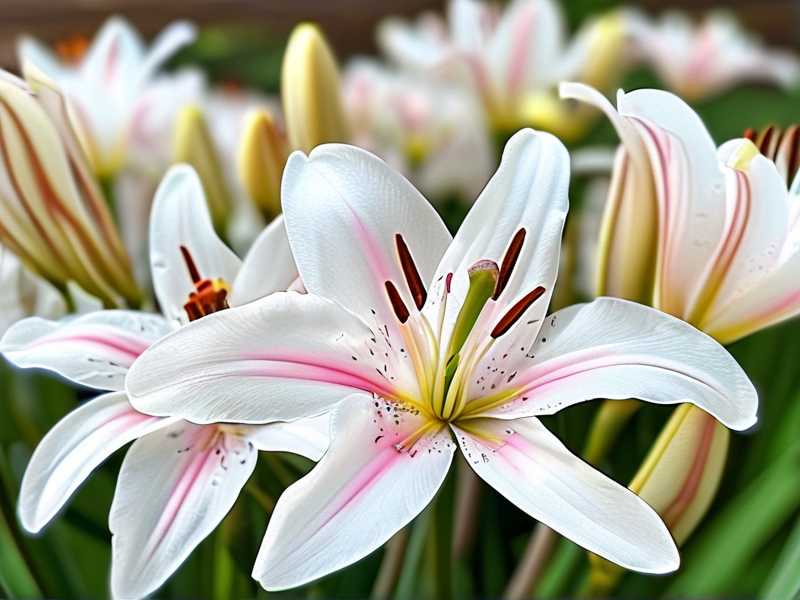
I put my first white lily in a dark corner. It grew tall and leggy, then just gave up. No blooms. Nothing. For my pink lily, I stuck it in direct afternoon sun. The leaves actually burned with brown spots. I learned the hard way. White lilies are your low-light friends. They want bright, indirect light—like near an east-facing window but not in the beam. Pink lilies are a bit more robust. They can handle a few hours of direct morning sun or filtered afternoon light. The AHS at https://ahsgardening.org emphasizes that sunlight intensity directly impacts flower color and size in lilies. Once I corrected this, my plants stopped looking sad. It took about ten days for the pink lily to perk up.
Mistake #3: Using the Wrong Pot—No Drainage Is a Death Sentence
I bought a cute ceramic pot with no drainage holes for my white lily. I thought, “It’s just a pot, how bad could it be?” The water pooled at the bottom. The soil stayed wet for days. Root rot set in again. I threw away that plant. Now, I only use pots with drainage holes. I prefer terracotta for pink lilies because it wicks away excess moisture. For white lilies, a plastic or glazed pot works fine as long as the bottom has holes. Simple fix, huge difference. My second white lily is still alive after three months because of this one change.
My Real-Life Experience: A 2-Week Diary of Caring for White vs Pink Lilies
I want to share what actually happened when I started caring for both types together. I had one white lily and one pink lily sitting side by side. Here’s the weekly breakdown, including my failures.
Week 1: The Setup and First Mistakes
Day 1: I bought a healthy white lily from a nursery. Its petals were pure white, soft, and fragrant. I also grabbed a pink lily with tight, unopened buds. I placed them in my living room, next to a south-facing window. Big mistake. I watered both of them with the same amount—about a cup each. Within three days, the white lily’s lower leaves started drooping. The pink lily looked okay but a bit stressed.
Day 5: I panicked. I checked the soil. The white lily’s soil was still wet two inches down. The pink lily’s soil was damp at the top. I realized my error. I moved the white lily to an east-facing shelf. I let the pink lily stay but put it behind a sheer curtain. I skipped watering entirely for two days. No more drowning.
Day 7: The white lily perked up a little. The droop was less severe. The pink lily actually opened one bud—a gorgeous, hot pink bloom. I felt a tiny spark of hope.
Week 2: Tracking Real Progress
Day 8: I started a strict schedule. For the white lily, I only watered when the top inch of soil felt dry to my finger. That turned out to be every five days. For the pink lily, I watered every seven days, checking two inches deep. I also switched pots. The white lily was in a plastic pot with good drainage. The pink lily went into a terracotta pot. This changed everything.
Day 10: The white lily’s new leaves looked firm and shiny. The previous droopy leaves had yellowed, so I trimmed them off. I felt like a real gardener. The pink lily’s buds were opening slowly, each one a deeper shade than the last. No signs of rot. The soil was drying out properly.
Day 14: Two full weeks. I took photos for comparison. The white lily had four new healthy leaves. The pink lily had all three buds open, with a fourth forming. No yellow leaves. No mushy stems. The secret was simple: don’t overwater, give them the right light, and use a pot with holes. I honestly wish I had known this from day one.
White Lilies: Specific Tips for Their Gentle Nature
White lilies are a bit more delicate. I’ve found they need extra care with humidity. I once placed one near an air conditioner vent. The edges of the leaves curled up and turned brown. The RHS recommends avoiding cold drafts for these beauties. Mist the leaves lightly once a week during dry weather. They also bloom longer in cooler rooms—around 65 to 70 degrees Fahrenheit (18-21°C) is ideal. Avoid direct sunlight; it fades the white petals to a dull yellow.
Soil Mix for White Lilies
I mix my own soil. Standard potting mix holds too much water. I use two parts potting soil, one part perlite, and one part orchid bark. This gives excellent drainage. The white lily’s roots breath easier. I saw results in just a few days—the soil stayed moist without becoming soggy.
Pot Size Matters
Don’t use a giant pot for a small white lily. I did that once. The excess soil held so much water that the roots rotted quickly. Choose a pot that is just 1 to 2 inches larger in diameter than the root ball. This keeps the soil volume right-sized.
Pink Lilies: The Real Tough Cookie
Pink lilies are surprisingly resilient. I’ve accidentally forgotten to water one for ten days, and it still bounced back. They’re more tolerant of neglect. But there’s a catch: they love sunlight. I once moved a pink lily to a dark hallway because I thought it looked decorative. Within a week, the leaves stretched out thin and pale. The flower buds never opened. Now, I keep mine on a west-facing windowsill with a few hours of direct afternoon light.
Why Pink Lilies Like Drier Soil
The AHS notes that pink lily varieties often originate from regions with well-draining, rocky soils. They dislike wet feet. I saw this firsthand. When I overwatered my pink lily in week one, the leaves stayed green but felt soft. After I cut back watering, the stems became sturdier. Stick your finger two inches deep. If it’s dry, water. If not, wait. Simple.
Fertilizing Pink Lilies
I tried a balanced liquid fertilizer every two weeks during spring and summer. My pink lily gave me big, vibrant flowers. But here’s a tip: dilute it to half strength. Full strength burns the roots. I used a 10-10-10 formula and halved it. The results were fantastic—more buds than I had ever seen.
Common Problems and Quick Fixes
I’ve seen it all with lilies. Let me share the most common issues and exactly how I fixed them.
Yellow Leaves on White Lilies
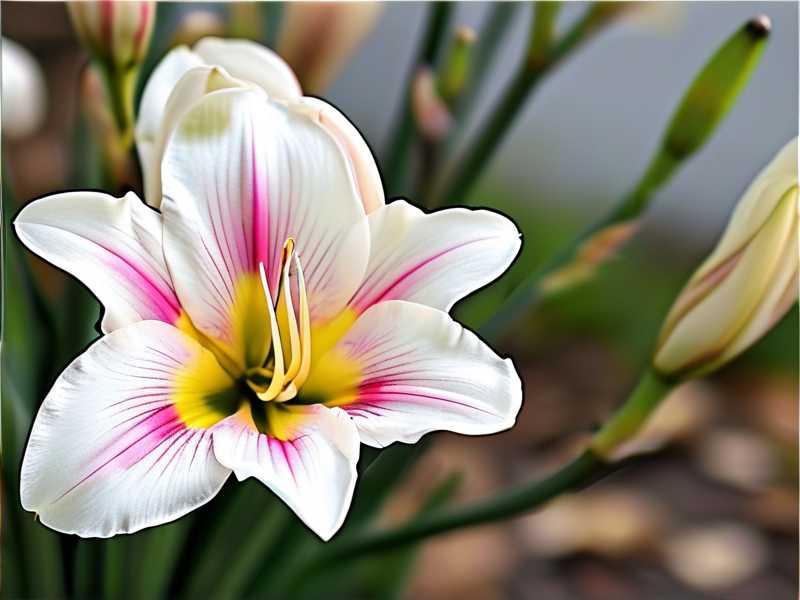
First sign: lower leaves turn yellow and fall off. I’ve done it. Usually, it’s overwatering. Stop watering immediately. Let the soil dry out completely. If the roots are mushy, repot with fresh, dry soil. I saved one white lily by cutting off all rotten roots and dipping the healthy ones in cinnamon powder as a natural fungicide. It worked within a week.
Brown Leaf Tips on Pink Lilies
This happens when the air is too dry. My pink lily had crispy brown edges last winter. I placed a small humidifier next to it. You can also group plants together or set a tray of pebbles with water. The leaves recovered their green in about ten days.
No Flowers at All
White lilies need bright indirect light to bloom. Pink lilies need direct sun for a few hours. If your plant grows tall and spindly but has no buds, move it to a brighter spot. I did this with both my plants. The white lily took three weeks to produce a new bud. The pink lily responded in just two weeks.
FAQ at a Glance
How often should I water white vs pink lilies? I check the soil. For white lilies, water when the top inch is dry—roughly every 5 days. For pink lilies, water when the top two inches are dry—every 7 to 10 days. Always use your finger to test.
Can I grow white and pink lilies in the same pot? I tried this. It failed. They have different water and light needs. White lilies need more humidity and less direct sun. Pink lilies prefer drier soil and brighter light. Separate pots are better. You can place them near each other, but don’t mix the roots.
Why are my lily leaves turning yellow? It’s almost always watering issues. Overwatering causes mushy yellow leaves. Underwatering causes crispy yellow leaves. Check the soil moisture. If the soil is wet, stop watering. If it’s bone-dry, water deeply. Also, check for pests like aphids. I’ve had both issues.
Final Thoughts from a Real Plant Owner
I’ve killed at least three lilies before these tips started working. Honestly, it’s frustrating when you love plants but they keep dying. But trust me, you can turn it around. Focus on watering less than you think you need. Give white lilies gentler light and pink lilies a bit more sun. Use pots that drain. The two-week test gave me hope. The AHS and RHS both agree that proper drainage and light are non-negotiable. I’m not a pro—I’m just someone who kept trying until it clicked. You’ve got this. Your lilies will thank you with blooms that last for weeks.