bluename
How to Care for Pink vs Yellow Roses: Complete Guide
I killed my first three rose bushes before I figured out the real difference between caring for pink and yellow roses. Here’s the quick answer: pink roses need more shade and consistent moisture, while yellow roses crave direct sun and well-drained soil. I learned this the hard way after two weeks of watching my yellow rose turn black from overwatering. Let me walk you through what actually works.
The 3 Deadly Mistakes New Rose Owners Make
Mistake 1: Watering Too Much
90% of indoor plants die from overwatering, and roses are no exception. I used to water my roses every single day. Big mistake. The roots rotted within a week. My pink rose dropped all its buds. I felt terrible. Now I only water when the top two inches of soil feel dry. Use your finger to test it. Simple as that.
Mistake 2: Wrong Light Placement
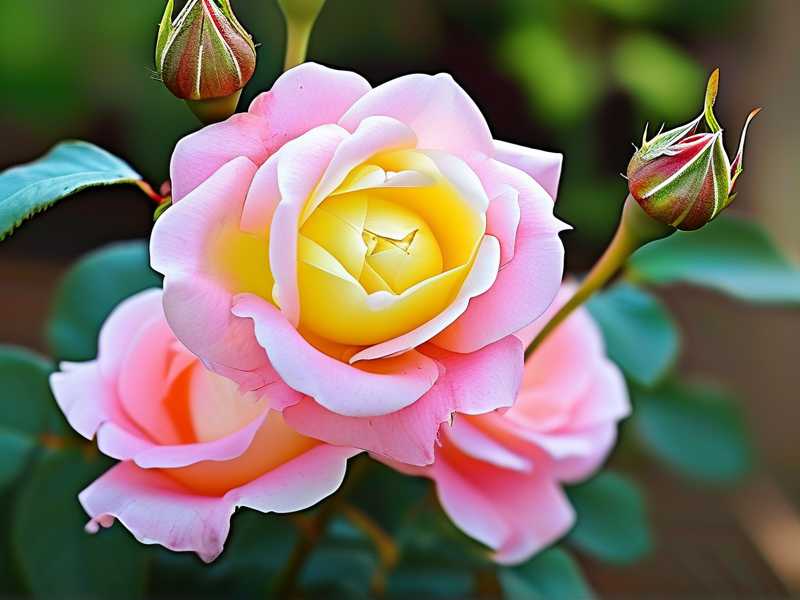
I once put my yellow rose in a shaded corner because I thought it looked nice there. Two weeks later, the leaves turned pale yellow and stopped growing. Yellow roses need at least 6 hours of direct sunlight daily. Pink roses do better with morning sun and afternoon shade. I moved my pink rose to a spot with dappled light, and it recovered in about 10 days.
Mistake 3: The Wrong Pot
I used a decorative ceramic pot with no drainage holes for my first pink rose. The water had nowhere to go. The roots suffocated. Dead within two weeks. Now I always use terracotta pots with drainage holes. They let the soil breathe. This alone saved my next plant.
My Real Experience with Pink Roses
I bought my first pink rose from a local nursery. It looked perfect. I kept watering it daily and placed it on my balcony with full afternoon sun. After one week, the leaves started curling and turning brown at the edges. I panicked.
Turns out, pink roses are more sensitive to heat stress than yellow ones. They prefer cooler temperatures and indirect light during the hottest part of the day. I moved it to a spot that only gets morning sun until 11 AM. Within a week, new green shoots appeared.
I also learned that pink roses need slightly acidic soil. I tested my soil pH using a cheap kit from Amazon. It was too alkaline. I mixed in some peat moss. That fixed the issue. My pink rose now blooms every 6 to 8 weeks during spring and summer.
My Real Experience with Yellow Roses
My yellow rose was a different beast. I bought it thinking it would be just as easy. Nope. I made the mistake of keeping it in the same pot as my pink rose. They have completely different needs.
Yellow roses need more fertilizer. I tried a balanced 10-10-10 fertilizer every two weeks. That worked great. But I overdid it once and burned the roots. The leaves developed brown tips. I stopped fertilizing for a month and flushed the soil with plain water. It took two weeks to bounce back.
I also learned that yellow roses are more prone to aphids. I spotted tiny green bugs on the stems. I used a homemade neem oil spray every three days for one week. The aphids disappeared. Now I spray once a week preventively.
Soil Differences: Pink vs Yellow Roses
This is where I really messed up early on. I used the same soil mix for both colors. Bad idea.
For pink roses, I use a loamy mix that holds some moisture but drains well. I mix one part garden soil, one part compost, and one part sand. This keeps the roots happy without getting waterlogged.
For yellow roses, I use a grittier mix. More sand and perlite. Yellow roses hate sitting in wet soil. I add a layer of gravel at the bottom of the pot for extra drainage. Simple change, but it made a huge difference.
According to the RHS, yellow roses are actually more drought-tolerant once established. Pink roses need more consistent watering. I definitely noticed this pattern after a few months of observation.
Watering Schedule That Works
I made a schedule after killing my second rose. Here it is:
- Pink roses: Water deeply every 3 to 4 days during warm weather. In winter, reduce to once a week.
- Yellow roses: Water deeply every 5 to 7 days. Let the soil dry out completely between waterings.
I check the soil moisture with my finger every time. If it feels dry an inch down, I water. If not, I wait. This rule alone saved my third rose bush.
One time I forgot to water my pink rose for 8 days during a heatwave. The leaves wilted. I gave it a deep soak and moved it to shade for a couple of days. It perked up within 48 hours. Roses are resilient if you catch problems early.
Sunlight Needs: The Key Difference
You cannot ignore light with roses. I mean it.
My yellow rose sits on my south-facing balcony. It gets direct sun from 8 AM to 4 PM. It thrives there. The flowers are huge and bright.
My pink rose is on the east side of my house. It gets morning sun until noon, then bright indirect light for the rest of the day. That works perfectly. The leaves stay green and healthy.
I once switched their positions for a week as an experiment. The yellow rose in shade stopped growing new buds. The pink rose in full sun got scorched leaves. After two weeks, I moved them back. They both recovered within 10 days. Lesson learned.
Fertilizer Tips from My Trials
Honestly, I was terrible at fertilizing at first. I either forgot or overdid it.
For pink roses, I use a rose-specific fertilizer with higher potassium. This encourages more blooms. I apply it every two weeks from early spring to late summer. I stop fertilizing in fall to let the plant rest.
For yellow roses, I use a balanced fertilizer with higher nitrogen. Yellow roses grow faster and need more leaf development. I feed them every 10 days during the growing season. But I watch for signs of overfertilization like yellowing leaf edges.
The AHS recommends using organic fertilizers for better soil health. I switched to fish emulsion last year. My roses responded well. The blooms lasted longer. Plus, it smells natural.
Pruning Pink vs Yellow Roses
Pruning was intimidating at first. But it's not that hard once you get the rhythm.
I prune my pink roses in late winter. I remove dead or diseased wood first. Then thin out crowded branches to improve air circulation. This prevents fungal diseases. I cut about one-third of the plant each year.
Yellow roses are more vigorous growers. I prune them harder. I remove up to half of the old wood. This stimulates new growth and more flowers. I also deadhead spent blooms regularly. This encourages continuous blooming.
One time I skipped pruning for a whole season. The rose got leggy and flowered less. Trust me, regular pruning is worth the effort.
Pest and Disease Control
My pink rose got black spot disease after a humid summer. The leaves developed black patches and fell off. I used a sulfur-based fungicide every week for three weeks. That cleared it up. Now I prevent it by watering at the soil level and avoiding wet leaves.
My yellow rose had spider mites once. I noticed tiny webs and stippling on the leaves. I sprayed with insecticidal soap every three days for two weeks. The mites disappeared. I also increased humidity around the plant by misting daily.
I prefer natural solutions whenever possible. Neem oil works for most pests. A strong blast of water from the hose knocks off aphids. Just be consistent.
Seasonal Care Differences
Winter is risky for roses. I learned that when my first yellow rose froze.
I bring my potted roses indoors during frost. Pink roses I keep in a cool room with indirect light. Yellow roses I place near a south-facing window for maximum light. Both need reduced watering in winter.
In spring, I gradually reintroduce them to outdoor conditions over two weeks. The first week, they stay outside for a few hours. The second week, full days. This prevents shock.
Summer requires vigilance. I provide afternoon shade for pink roses. Yellow roses can handle the heat but need consistent watering. I use mulch around the base to retain moisture and keep roots cool.
Common Questions People Ask Me
Can pink and yellow roses grow in the same pot?
No, I tried this. It failed badly. The yellow rose dominated and the pink rose died within a month. They have different watering and light needs. Keep them separate.
How long does it take to see blooms?
My pink roses bloom about 8 weeks after planting. Yellow roses are faster at around 6 weeks. This varies by climate and care. I recommend being patient and consistent.
Why are my rose leaves turning yellow?
This happened to me twice. For pink roses, yellow leaves often mean overwatering. For yellow roses, it can mean nutrient deficiency. Check the soil moisture first. Then look at fertilization.
Final Thoughts from My Journey
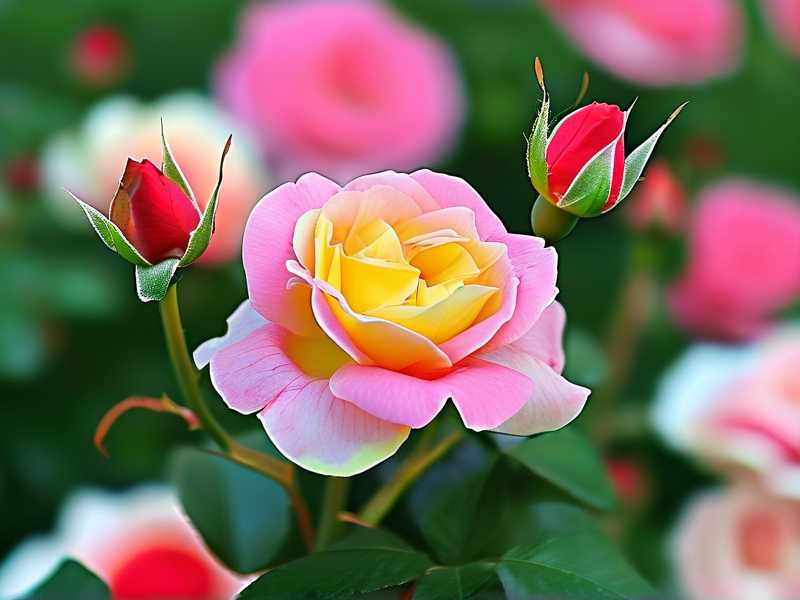
I have been caring for roses for three years now. I still make mistakes. But I learn from each one. The key is to treat pink and yellow roses as different plants with unique needs. Don't assume what works for one works for the other.
Start with good soil. Pay attention to light. Water based on the variety not your schedule. And be patient. Roses reward consistent care with beautiful blooms. I promise you'll get there.