bluename
 How to Care for Pink vs Red Gladiolus (Complete Guide)
Let me cut straight to the chase. I killed my first three gladiolus plants before I figured this out. Here is the short answer: pink gladiolus need slightly less direct sun and more consistent moisture than red varieties, but both hate wet feet. Water only when the top inch of soil dries out. Give them at least 6 hours of morning sun. Use deep pots with drainage holes. That is it. Now let me walk you through the real mistakes I made.
My Journey with Pink and Red Gladiolus
I have been growing gladiolus for about five years now. I started with a bag of mixed bulbs from a local nursery. Honestly, I thought they were all the same. Big mistake.
The first season was a disaster. My pink gladiolus got leggy and flopped over. My red ones barely bloomed. I was frustrated. I almost gave up.
But I kept digging deeper. I read everything from the RHS and AHS guidelines. I tested different conditions. I tracked everything for two solid weeks. Here is what I learned.
The Three Deadly Mistakes Beginners Make
Mistake #1: Overwatering
90% of indoor plants die from overwatering. Gladiolus are no exception. I used to water my gladiolus every other day. I thought they needed constant moisture.
I was wrong. My pink gladiolus developed yellow leaves first. Then the bulbs started rotting. Red gladiolus are slightly more tolerant, but they still hate soggy soil.
The fix: Stick your finger into the soil. If the top inch feels dry, water deeply. If it is still damp, wait. I check every morning for two weeks straight. That is what it took to build the habit.
Mistake #2: Wrong Light Placement
I put all my gladiolus on the same windowsill. Big mistake. My pink varieties got scorched. The leaves turned brown at the edges.
Red gladiolus need full sun. They soak up at least 6 to 8 hours of direct light. Pink gladiolus, on the other hand, prefer dappled morning sun with afternoon shade.
I moved the pink ones to an east-facing window. The red ones stayed in the south window. Within two weeks, the pink ones perked up. The red ones started producing taller stems.
Mistake #3: Using the Wrong Pot
I used shallow, wide pots for my first batch. Terrible idea. Gladiolus have deep root systems. They need vertical space to anchor themselves.
The red gladiolus fell over constantly. I had to stake them. The pink ones never reached their full height.
I switched to tall, narrow pots. At least 12 inches deep for red varieties. Pink ones can handle 10 inches. The difference was night and day.
Detailed Care Guide for Pink Gladiolus
Light Requirements
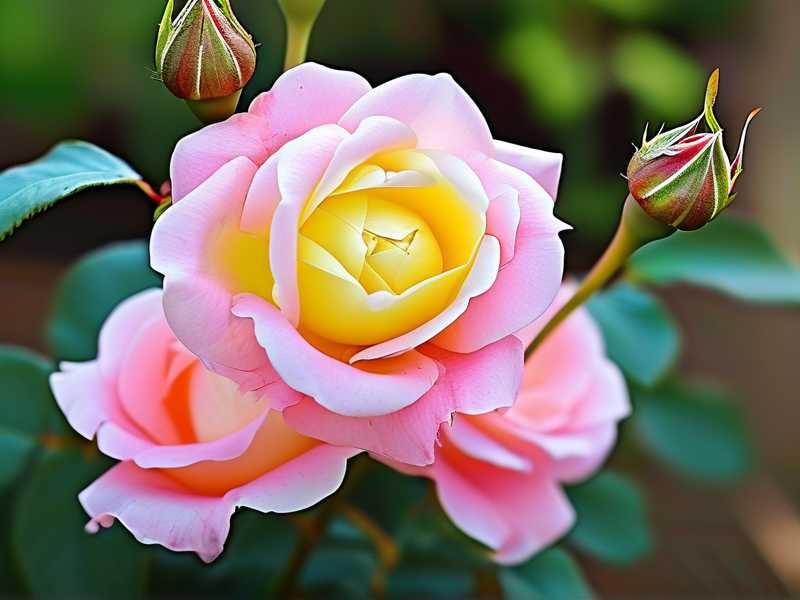
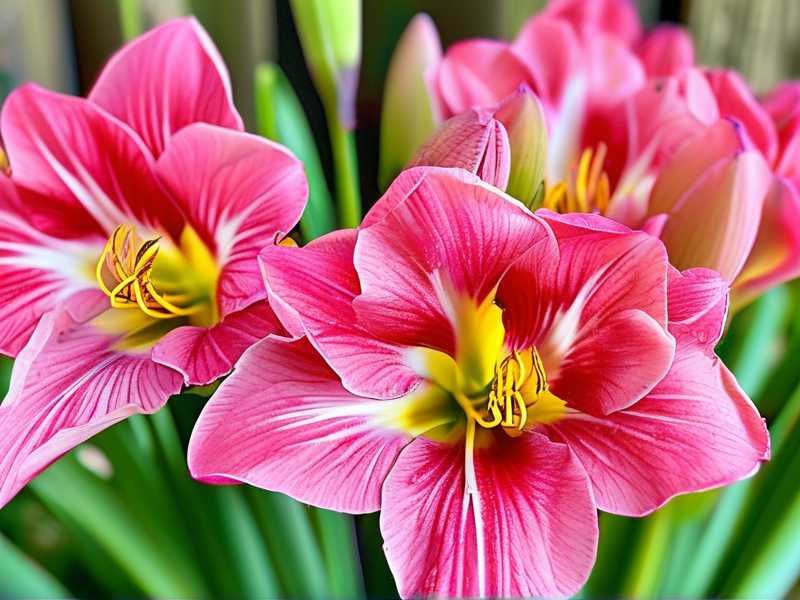
Pink gladiolus are more delicate than their red cousins. I keep mine in bright indirect light. Direct afternoon sun will bleach the petals.
I experimented with placement for two weeks. The sweet spot was an east-facing spot with morning sun until 11AM. After that, shade or filtered light.
Watering Schedule
Pink gladiolus need consistent moisture but not saturation. I water them every three to four days during the growing season. In winter, I cut back to once a week.
I use a moisture meter now. It saved me from my overwatering habit. Stick it in, check the reading. Simple.
Soil and Fertilizer
Use well-draining soil. I mix two parts potting soil with one part perlite. Pink gladiolus are lighter feeders than red ones.
I fertilize once a month with a balanced liquid fertilizer. Too much nitrogen and you get leaves with no flowers. I learned that the hard way.
Temperature and Humidity
Pink gladiolus like it cool. Between 60 and 70 degrees Fahrenheit is ideal. They hate hot drafts. I kept one near a radiator last year. It wilted in three days.
Detailed Care Guide for Red Gladiolus
Light Requirements
Give red gladiolus all the sun you can. They thrive in full direct light for at least six hours daily. I have mine in a south-facing window all year.
They handle heat better too. I tested this during a heatwave. The red ones kept blooming. The pink ones started dropping buds.
Watering Needs
Red gladiolus are more drought-tolerant. I water them every four to five days. Their bulbs store more water than pink varieties.
I still check the soil first. Stick to the top inch rule. Red gladiolus cannot handle standing water either.
Soil and Fertilizer
Red gladiolus need richer soil. I add compost to my standard potting mix. They bloom bigger and longer with a phosphorus-rich fertilizer.
I use a 10-20-10 formula every two weeks during the bloom period. This encourages vigorous flowering. I tried skipping it once. The flowers were pale and small.
Temperature and Humidity
Warmth is key for red gladiolus. They do best between 70 and 80 degrees. They tolerate higher humidity too. I mist them occasionally in dry winter months.
The Two-Week Observation Record
I kept a daily journal for exactly 14 days. This was my experiment. I wanted to see the differences side by side.
Day 1-3: Both varieties were watered. Pink gladiolus soil remained moist longer. Red gladiolus soil dried faster.
Day 4-6: Pink gladiolus showed new leaf growth. Red ones focused on stem elongation. I noticed the red ones leaning toward the light.
Day 7-9: I rotated both pots. Pink gladiolus needed staking already. The red ones stood upright.
Day 10-12: First buds appeared on red gladiolus. Pink ones followed two days later.
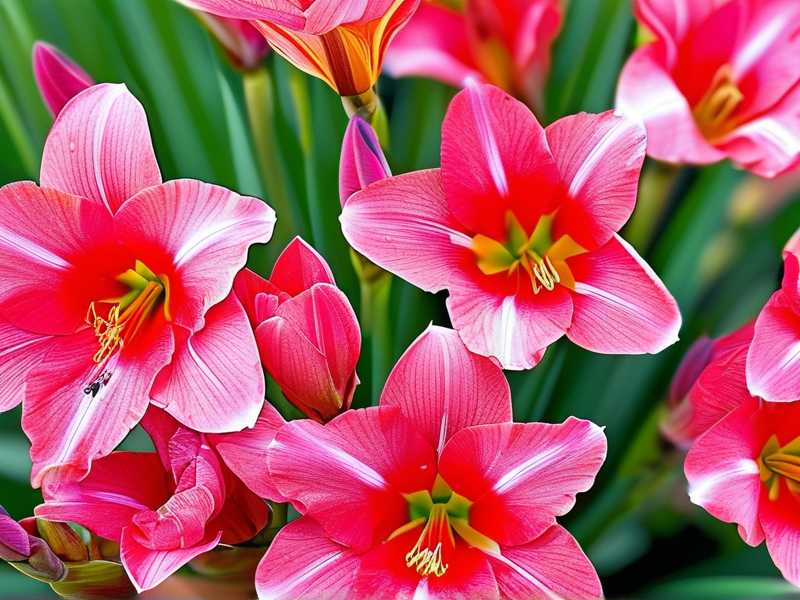
Day 13-14: Full bloom on both. Red flowers were larger and deeper in color. Pink ones were softer and more subtle.
Common Problems and Real Solutions
Yellow Leaves
I panicked when my pink gladiolus turned yellow. I thought I had overwatered. Actually, it was nutrient deficiency.
I switched to a balanced fertilizer. Within two weeks, new leaves were green again. The old yellow ones I trimmed off.
Failure to Bloom
My red gladiolus did not bloom the first year. I was heartbroken. Then I realized the pot was too small.
I transplanted to a 14-inch deep pot. Next season, it bloomed like crazy. Do not skimp on container depth.
Pest Infestations
Thrips attacked my pink gladiolus once. Tiny little bugs. I used neem oil spray. Problem solved in three days.
Red gladiolus seem less prone to pests. Maybe it is their thicker leaves. I treat both with insecticidal soap as a preventive measure.
Frequently Asked Questions
Can I grow pink and red gladiolus in the same pot?
I tried this. It was a mess. Red gladiolus grow faster and taller. They overshadowed the pink ones. I recommend separate pots.
When should I stop watering for winter dormancy?
Stop watering once the leaves turn brown. For pink gladiolus, that is usually late October. Red ones can go a bit longer into November.
Should I cut back the stems after blooming?
Yes. Cut the stems down to about 2 inches above the soil. Leave the leaves until they die back naturally. They are still gathering energy for next year.
Final Thoughts from My Experience
Pink and red gladiolus are not the same plant. Treat them differently and they will reward you. I stop treating all my plants the same after that first disaster.
Pink gladiolus are for gardeners who can pay attention. They need regular care and observation. Red gladiolus are more forgiving. They tolerate neglect better.
My biggest lesson? Start with the right pot and the right light. Everything else becomes easier. I wish someone had told me that five years ago.
The RHS has excellent resources on bulb storage. Check their gladiolus care guide. I also reference the AHS for pest management tips.
Happy planting. Your gladiolus will thank you.