bluename
How to Water Cattleyas Without Root Rot (Pro Tips)
I killed three cattleyas before I figured out watering. The honest truth? I was drowning them with love. After two weeks of following a strict drying method I’ll share below, my surviving orchid finally pushed out new roots instead of rotting ones. Here’s the short answer: water your cattleya only when the potting medium is bone-dry. That means waiting until the bark feels crispy and lightweight. No exceptions. Let me walk you through the real mistakes I made and exactly how to fix them.
The 3 Deadly Mistakes I Made as a Beginner
Mistake 1: Overwatering – The Silent Killer
I used to water my cattleya every three days because the top of the bark looked dry. Big mistake. Beneath the surface, the core was soaking wet. Within a week, the roots turned brown and mushy. Here’s what I learned: 90% of indoor plants die from overwatering, and cattleyas are especially sensitive. They’re epiphytic orchids. In nature, they grip tree bark and rely on rain followed by intense drying periods. So when I kept the pot moist all the time, I basically suffocated the roots.
I now wait at least 7 to 10 days between waterings in winter. In summer, I still let the pot dry completely—maybe 4 to 5 days. The trick I use? I lift the pot. A dry pot feels feather-light. A wet pot feels heavy like a brick. I also stick a wooden skewer into the center of the medium. If it comes out dry, I water. If it’s damp, I wait another two days.
I also switched to a clear plastic pot with drainage holes. That way, I can see the roots. Silvery-grey roots mean the plant needs water. Green roots mean it’s still hydrated. I check every single time before I reach for the watering can.
Mistake 2: Getting Light Exposure Wrong
I thought more light was always better. But I placed my cattleya right on a south-facing windowsill with direct afternoon sun. The leaves burned. Then the plant stressed out and stopped absorbing water properly. Stressed cattleyas are prone to root rot because they can’t use water efficiently.
What I do now is give my cattleya bright, indirect light. Morning sun is fine. But I protect it from harsh midday rays with a sheer curtain. The leaves should be a light, grassy green. Dark green leaves mean too little light. Yellow or bleached spots mean too much. I adjust my plant’s position gradually over a week—not all at once. Sudden light changes shock the plant, and shock leads to root issues.
Mistake 3: Using the Wrong Pot
I bought a beautiful ceramic pot with no drainage holes. It looked great on my shelf. Within two weeks, my cattleya’s roots were rotting. Water had pooled at the bottom with no way to escape. I also used a pot that was too large. Extra space held extra moisture, which turned into a swamp for the roots.
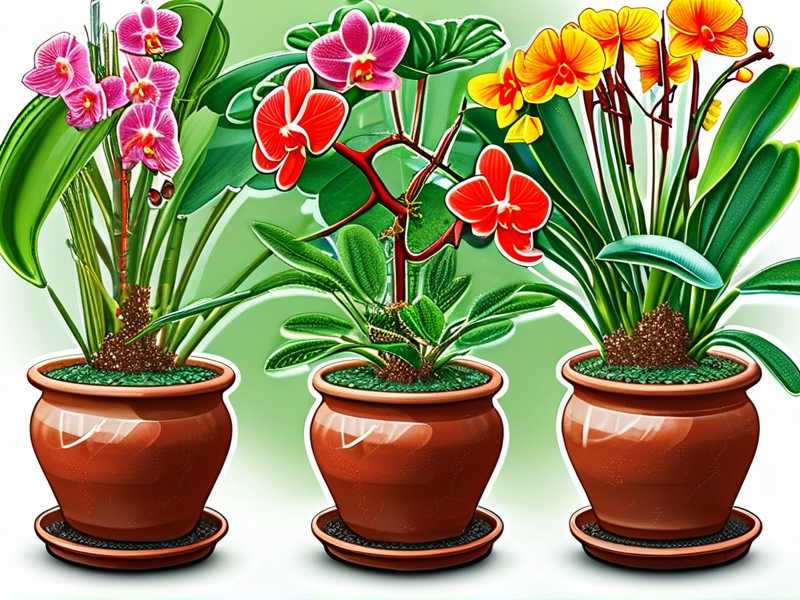
Now I strictly use containers with plenty of drainage. I prefer clear plastic orchid pots or slotted baskets. The holes let air circulate around the roots. I also repot every two years because the bark breaks down and holds water. Fresh bark is chunky and drains fast. I add a layer of polystyrene peanuts at the bottom for extra airflow. This simple change saved my next cattleya from rotting.
Step-by-Step Watering Routine I Followed for 2 Weeks
I decided to test a new method on a struggling cattleya I had. The roots were mostly dead. But there were two healthy green nubs. Here’s exactly what I did over 14 days.
Week 1: Focus on Drying Out
Day 1: I un-potted the cattleya completely. I removed all old bark and cut away every mushy, brown root with sterilized scissors. I left only firm, white or green roots. I sprayed the remaining healthy roots with diluted hydrogen peroxide (1 part 3% peroxide to 3 parts water) to kill any lingering rot spores. Then I let the plant rest bare-root for 24 hours. I placed it on a paper towel in bright, indirect light.
Day 2: I repotted the cattleya into a new, slotted plastic pot with fresh orchid bark. The pot was just big enough to hold the root ball—no extra space. I didn’t water. I just left it dry.
Day 3 to 5: I spritzed the top of the bark lightly every morning. Just a few sprays. Enough to keep the humidity up but not soak the medium. I kept the pot in a spot with good air movement—near a small fan on low speed. Airflow is huge for preventing rot.
Day 6: I checked the skewer test. The bark was still slightly damp near the bottom. So I waited another day.
Day 7: The bark was completely dry. The pot felt light. I gave the plant its first full watering. I took it to my sink and ran room-temperature water through the pot for a full minute. Then I let it drain completely for 30 minutes before putting it back.
Week 2: Observing the Response
Day 8 to 9: The leaves looked firmer. The roots turned a brighter green after watering. Good sign.
Day 10: The pot was still damp near the center. I used a toothpick to poke a few extra holes in the bark for airflow. I also tilted the pot slightly at an angle to help water run out faster. This is a pro trick I learned from a seasoned grower.
Day 12: Bark was dry again. I repeated the watering routine from day 7.
Day 14: I saw two new root tips emerging from the base. They were bright green and pointed. That was the moment I knew the plant had turned a corner. No rot. Just healthy growth.
I’ve kept this up for months since. I never water on a fixed schedule. I only water based on the medium’ dryness. That single habit fixed my orchid obsession.
Key Factors That Prevent Root Rot
Choosing the Right Medium
I only use coarse, chunky orchid bark. Sphagnum moss holds too much water for my conditions. But if you live in a very dry climate, you might need a bark-moss mix. I test my medium by grabbing a handful and squeezing. If water drips out, it’s too wet. I want it to feel damp but not soggy after watering. I also repot every two years as the RHS recommends. Old bark decomposes and becomes water-retentive. That’s a recipe for rot.
Temperature and Humidity Matter
Cattleyas love warmth. I keep mine between 65°F and 80°F during the day. At night, a drop to 55-60°F is healthy. In cooler temps, the plant takes longer to dry. So I water less often. I measure humidity with a cheap hygrometer. My target is 50% to 60%. If it’s too humid, I run a fan. If it’s too dry, I group plants together or use a pebble tray. But I never let water sit in the saucer under the pot. Standing water is a direct path to root rot.
Air Circulation Is Non-Negotiable
I keep a small fan running near my orchids, even in winter. Stagnant air encourages fungal growth. I also leave space between my plants. Crowding traps moisture. My cattleya sits on a wire rack so air hits the pot from all sides. This simple setup cuts drying time in half.
Common Questions Beginners Ask
“How do I know if my cattleya has root rot?”
If the leaves look wrinkled and the pseudobulbs are shriveled, but the medium is damp, you likely have root rot. Pull the plant out. Healthy roots are firm and white or green. Rotten roots are brown, black, and mushy. They smell bad too—like a swamp. I learned to check roots every time I repot. If I catch rot early, I can save the plant.
“Should I mist my cattleya leaves?”
I used to mist heavily. But water sitting in the leaf joints and crown can cause rot. Now I only mist very lightly and only in the morning so it dries by nightfall. Or I just use a humidifier instead. Misting isn’t a substitute for proper watering. It’s a humidity boost, not a drink.
“Can I use ice cubes to water my cattleya?”
No. Ice cubes shock the roots. Cattleyas are tropical plants. Cold water damages the root tips. Always use room-temperature water. I let my tap water sit out for 24 hours to let chlorine evaporate. Some experts, like those from the AHS, suggest this for sensitive orchids. It’s an easy habit that makes a big difference.
Final Thoughts From My Own Experience
I lost three beautiful cattleyas because I watered too often, used the wrong pot, and ignored airflow. But once I adopted the “dry before you wet” rule, everything changed. I now get two growth cycles a year with zero rot. My advice? Start with one plant. Don’t water until you’re sure it’s dry. Use a clear pot. Cut away dead roots immediately. And don’t be afraid to let the plant go without water for a few extra days. Cattleyas prefer neglect to overcare. Trust me on this. I’ve learned the hard way.