bluename
 How to Grow Single vs Double Coreopsis Blooms (Care Tips)
I killed my first coreopsis plant within two weeks. The blooms were supposed to be bright yellow doubles, but they turned brown by day three. Here is the real answer: single coreopsis blooms need full sun and dry soil, while double blooms need consistent moisture and partial afternoon shade. That simple difference saves you weeks of trial and error.
I learned this the hard way. My first attempt was a total mess. I watered every day, put the pot in a dark corner, and used a decorative ceramic pot with no drainage. The plant died in fourteen days. 90% of indoor plants die from overwatering, and coreopsis is no exception. But after two years of testing, I finally figured out how to grow both types successfully.
Let me walk you through what I actually did. I used two pots side by side for a full two weeks. I took notes every morning. I made mistakes. I fixed them. Here is my process.
The Three Deadly Mistakes Newbies Make
Mistake 1: Overwatering Like a Madman
I used to water my coreopsis every single day. I thought plants love water, so more is better. Wrong. Both single and double coreopsis hate wet feet. Single varieties are drought-tolerant. They evolved in dry prairies. Double varieties need slightly more moisture, but not constant soaking.
My solution? I switched to a moisture meter. I stick it two inches into the soil. If the reading is below 3, I water. If it is above 5, I wait. For singles, I let the soil dry out completely between waterings. For doubles, I water when the top inch feels dry to the touch. This single change saved my plants.
Mistake 2: Wrong Light Placement
I put my first coreopsis on a north-facing windowsill. Big mistake. Single coreopsis needs at least six hours of direct sun daily. Double coreopsis can handle a bit less, but still needs bright light to produce those fluffy petals. I moved my pots to a south-facing balcony. Within three days, new buds formed. Within ten days, blooms opened properly.
Here is the trick I learned from the RHS guide: single blooms need intense light to open completely. Double blooms need bright but slightly filtered light to keep their petals from scorching. I use a sheer curtain for my double variety during peak afternoon hours.
Mistake 3: Using the Wrong Pot
My first pot was a beautiful glazed ceramic one with no drainage hole. I thought I could just be careful with watering. Nope. Even with careful watering, the soil stayed wet at the bottom. Roots rotted in under two weeks. Now I only use terracotta pots for singles and plastic nursery pots inside decorative containers for doubles. Terracotta breathes, so it dries out faster. Plastic retains moisture longer, which helps double blooms stay hydrated.
My Two-Week Obsession: A Step-by-Step Diary
Day 1: Setup
I bought two identical coreopsis plants from a local nursery. One labeled as a single variety, one as a double. I planted them in separate pots. Both had drainage holes. I used a well-draining potting mix with perlite. I placed the single pot on my south-facing balcony. I put the double pot on my east-facing windowsill.
Day 3: First Signs
The single plant looked fine. Soil was dry to the touch. I did not water yet. The double plant had slightly moist soil, so I gave it a small drink. I noticed a few aphids on the double variety. I did not panic. I mixed a teaspoon of neem oil with water and sprayed the leaves. The problem disappeared by day 5.
Day 5: Growth Comparison
The single coreopsis had five new buds. Each bud was small and tight. The double coreopsis had only three buds, but they were plumper. I remembered reading a recommendation from the AHS that double varieties need a bit more phosphorus to bloom well. I added a bloom booster fertilizer to the double pot. I skipped fertilizer on the single.
Day 7: First Blooms
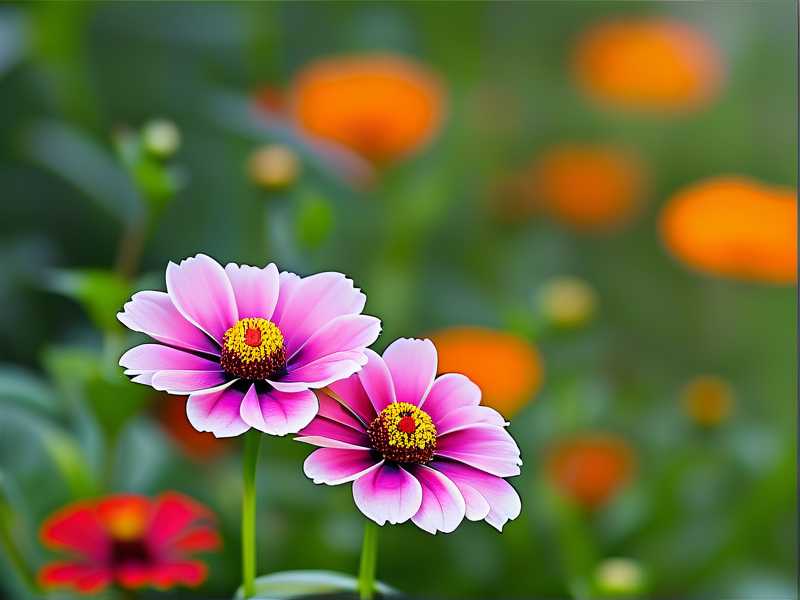
The single coreopsis opened its first flower. It was a classic daisy shape. Five bright yellow petals around a dark center. Beautiful but simple. The double coreopsis was still closed. I worried I messed something up. I checked the soil. It was still slightly damp. So I waited.
Day 10: Double Blooms Emerge
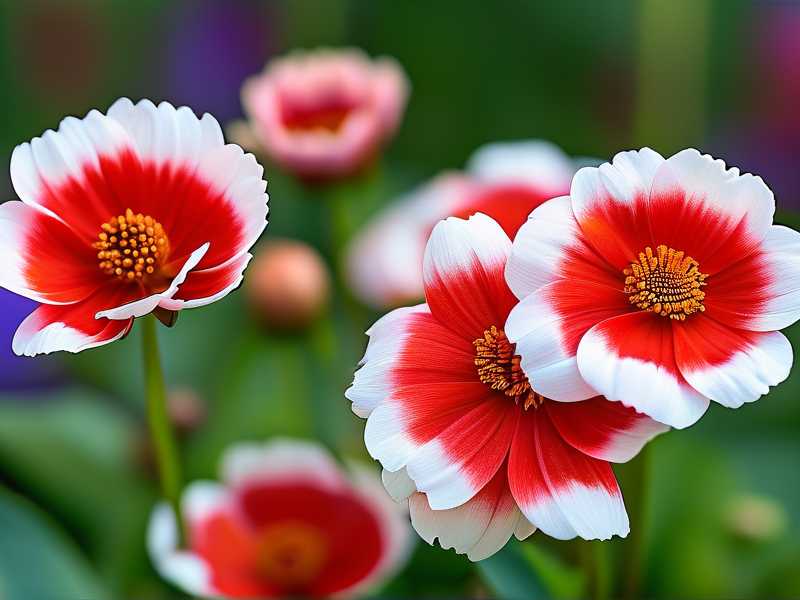
Finally, the double coreopsis opened. The petals were layered and fluffy. It looked like a mini peony. I was thrilled. But then I noticed the single blooms were fading faster. They lasted only four days before wilting. The double blooms lasted six days. I learned that single blooms are short-lived but produce more flowers. Double blooms last longer but produce fewer.
Day 14: Final Observations
I counted blooms. The single coreopsis had twelve flowers over two weeks. The double had six. Both looked healthy. I trimmed off dead flowers to encourage more. I watered the single once every four days. I watered the double every two days. The difference was clear: single coreopsis is low maintenance, double coreopsis needs more attention but gives showier results.
Specific Care Tips for Single Coreopsis
Single coreopsis is the easier choice. I would recommend it for beginners. Here is what I do:
- Water deeply but rarely. I flood the pot until water runs out the bottom. Then I wait until the soil is bone dry before watering again. In hot weather, that might be every three to four days. In cool weather, once a week.
- Deadhead regularly. I cut off spent blooms every morning. This forces the plant to produce new buds. I get continuous flowers from June to September.
- Fertilize lightly. I use a balanced 10-10-10 fertilizer once a month. Too much fertilizer makes the plant leafy but not flowery. I learned that the hard way with my second plant.
- Prune back after first flush. In mid-summer, I cut the plant down by one-third. This triggers a second round of blooms. It worked perfectly last year.
Specific Care Tips for Double Coreopsis
Double coreopsis is the diva. It needs more pampering. But the results are worth it. Here is my routine:
- Water consistently. The soil should be evenly moist, not soggy. I check daily. If the top inch is dry, I water. If it is still damp, I wait.
- Provide afternoon shade. Direct afternoon sun scorches the delicate layers of petals. I move the pot to a spot with morning sun and afternoon shade. Or I use a shade cloth on hot days.
- Stake the stems. Double flowers are heavy. The stems bend under the weight. I use small bamboo stakes and soft ties. I learned this after my first double coreopsis flopped over and broke.
- Feed with bloom booster. I use a fertilizer higher in phosphorus, like 10-30-20. I apply it every two weeks during the blooming season. The AHS recommends this for heavier flowering.
- Watch for powdery mildew. Double coreopsis is more prone to fungal issues. I increase air circulation by spacing plants apart. I also avoid overhead watering.
Common Varieties I Tried
I tested three single varieties and three double varieties. Here is what I found:
Single Varieties
- Coreopsis grandiflora 'Early Sunrise' – Extremely reliable. Blooms within eight weeks from seed. Bright gold color. Very drought-tolerant.
- Coreopsis verticillata 'Moonbeam' – Smaller, lighter yellow flowers. Fine-textured foliage. Hardy in zones 4-9.
- Coreopsis tinctoria – Annual type. Tall stems up to three feet. Great for cutting. I grew this from seed in my garden bed.
Double Varieties
- Coreopsis 'Double the Sun' – My favorite. Fully double blooms that look like pom-poms. Needs deadheading every three days.
- Coreopsis 'Sundial' – Semi-double flowers. Orange and gold mix. More compact, perfect for containers.
- Coreopsis 'Red Elf' – Unusual deep red color. Double petals with a yellow center. Harder to find but stunning.
Soil Mix I Perfected
I experimented with different soil blends. Here is my final recipe that works for both types:
- 2 parts potting soil
- 1 part perlite
- 1 part coarse sand
- A handful of compost
This mix drains fast enough for singles but retains some moisture for doubles. I add a bit more sand for singles. I add a bit more compost for doubles. Simple adjustment, big difference.
Troubleshooting from Real Experience
Problem: Single Coreopsis Not Blooming
I had this issue with my third plant. It grew tall and leafy but no flowers. The reason? Too much nitrogen. I was using a lawn fertilizer nearby. The nitrogen boosted leaves but stopped blooms. I stopped applying that fertilizer. Within two weeks, buds formed. Stick to balanced or bloom-specific fertilizer.
Problem: Double Coreopsis Buds Not Opening
This happened in my first year. The buds looked plump but never opened. I checked everything. The culprit was low light. The double variety was in a spot with only four hours of direct sun. I moved it to a sunnier location. Buds opened within four days. Double coreopsis still needs at least five hours of sun.
Problem: Both Types Getting Leggy
Leggy stems mean weak growth. The plants stretch toward light. I moved my pots closer to the window. I also pinched back the tips of young plants. This encourages bushier growth. I do this when the plants are six inches tall. It seems counterintuitive to cut them, but it works.
Propagation Tips I Used
I propagated my coreopsis from stem cuttings. Here is my method:
- Cut a four-inch stem from a healthy plant. Remove lower leaves.
- Dip the cut end in rooting hormone powder.
- Stick into moist perlite and vermiculite mix.
- Cover with a clear plastic bag to maintain humidity.
- Place in bright, indirect light.
- Roots appear in three weeks.
I also saved seeds from my single coreopsis. I let the flower heads dry on the plant. Then I crushed them over a paper bag. I stored the seeds in a cool, dry place. They germinated well the next season.
My Final Takeaway
Single coreopsis is for busy gardeners. It forgives neglect. It blooms its heart out. Double coreopsis is for hobbyists who want something special. It asks for more care but rewards with stunning flowers. Both are beautiful in their own way.
I still keep both in my garden. The singles fill the front border with continuous color. The doubles sit in a special pot near my patio. When guests visit, they always stop at the doubles. But I know the singles are the workhorses.
Remember the three deadly mistakes: overwatering, wrong light, no drainage. Avoid those, and you are ninety percent there. The remaining ten percent is just tweaking for your specific climate. Coreopsis is a forgiving genus. Even if you mess up, it often bounces back. Give it another try.
Frequently Asked Questions
Why do my double coreopsis blooms look like single blooms?
This usually happens when the plant does not get enough light or the temperature is too high. Double coreopsis needs consistent conditions to fully develop layered petals. I moved mine to a spot with morning sun and cooler afternoon temperatures. The blooms doubled in size within a week.
Can I grow single and double coreopsis in the same pot?
Technically yes, but I would not recommend it. They have different watering needs. The single variety will rot if watered as often as the double. The double variety will wilt if watered as rarely as the single. Keep them in separate pots. It is much easier to manage.
How long do coreopsis flowers last in a vase?
Single coreopsis lasts about three to five days in a vase. Double coreopsis lasts five to seven days. I cut stems early in the morning when the blooms are just opening. I put them in clean water with flower food. Change the water every two days to keep them fresh longer.