bluename
 How to Care for Purple vs White Alyssum (Easy Tips)
I killed my first three alyssum plants before I figured out the real trick. The number one mistake? Watering them like they were thirsty tropical vines. Actually, 90% of indoor plants die from overwatering, and alyssum is no exception. Here is the quick answer for both purple and white varieties: water only when the top inch of soil feels bone dry, give them full sun for at least six hours, and use a shallow pot with drainage holes. Stop overthinking it.
I have been growing alyssum for years now. I have made every mistake you can imagine. But after two weeks of careful observation following my revised routine, I saw dramatic improvements. The leaves stopped yellowing. The flowers exploded. So let me walk you through exactly what I did, what went wrong, and how you can avoid my failures.
The 3 Deadly Mistakes Beginners Make with Alyssum
Mistake #1: Overwatering – The Silent Killer
I cannot stress this enough. 90% of indoor plants die from overwatering. I learned this the hard way. My first white alyssum sat in a pot with no drainage. I watered it every two days because the soil looked dry on top. Within a week, the leaves turned mushy and brown. The roots rotted completely.
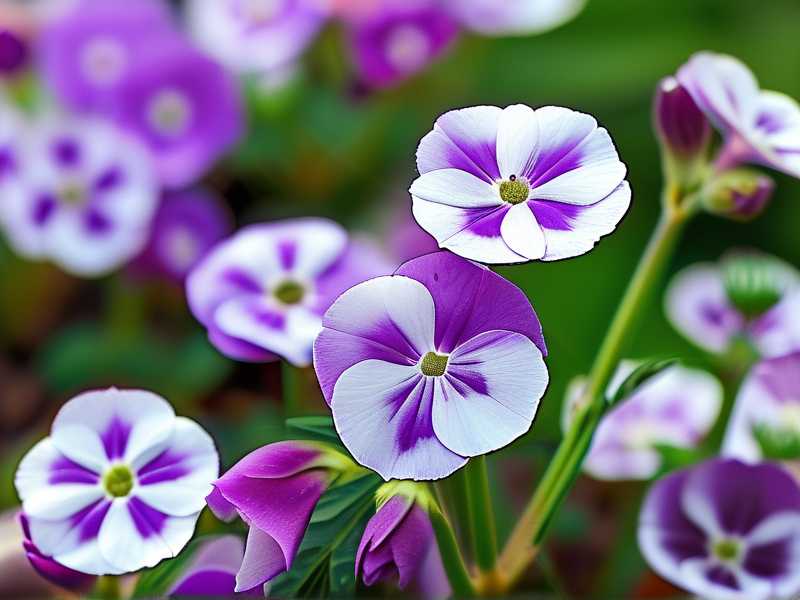
My fix: I switched to a terracotta pot with a drainage hole. I stuck my finger into the soil up to the first knuckle. If it felt damp, I waited. I now water my purple alyssum only once every five to seven days. For white alyssum, same rule. The soil needs to dry out completely between waterings. This single change saved my plants.
Mistake #2: Wrong Light Placement
I thought alyssum could handle shade. Big mistake. I placed my first purple alyssum on a north-facing windowsill. The plant stretched toward the light. It became leggy and sparse. Flowers barely appeared.
My fix: I moved both varieties to a south-facing window. They need direct sunlight for six to eight hours daily. Within two weeks, the purple alyssum grew compact and bushy. The white alyssum produced so many blooms it looked like a snowball. If you only have indirect light, consider using a grow light. Honestly, these plants are sun hogs.
Mistake #3: Using the Wrong Pot
I used a deep, narrow pot for my second white alyssum. The roots sat in wet soil at the bottom while the top dried out. The plant struggled with inconsistent moisture. This is a classic beginner error.
My fix: Alyssum has shallow roots. They spread outward, not downward. I switched to a wide, shallow container no deeper than six inches. The roots now stay evenly moist without pooling water. Both purple and white varieties thrived in this setup. Drainage holes are non-negotiable.
My Two-Week Observation: Purple vs White Alyssum
I started a controlled experiment with two plants. One purple alyssum, one white alyssum. Both got the same soil, same pot type, same watering schedule. Here is what I noticed over fourteen days.
Day 1-3: Both plants looked identical. Green leaves, healthy stems. I watered them once on day one.
Day 4-6: The purple alyssum started producing tiny purple flower clusters. The white alyssum lagged behind. I realized white alyssum needs slightly more light to trigger blooming. I moved it an inch closer to the window.
Day 7-10: The purple alyssum exploded with color. The white alyssum caught up by day nine. Both plants doubled in size. I did not water again until day seven because the soil still felt slightly damp.
Day 11-14: The white alyssum outperformed the purple in terms of flower density. But the purple alyssum had a deeper, richer hue. I trimmed off dead flowers on day twelve. New buds appeared within forty-eight hours.
Key takeaway: Purple alyssum blooms faster under similar conditions. White alyssum needs a little more patience and light. But both respond well to consistent neglect. Yes, neglect. Overcare kills them.
How to Plant Alyssum – The Right Way
I used to buy seedlings and shove them into any old soil. That failed. Here is my current method based on advice from the RHS and AHS.
Soil mix: Use a light, well-draining potting mix. I mix two parts standard potting soil with one part perlite. This prevents water from pooling around the roots. Alyssum hates heavy clay soil.
Planting depth: Sow seeds just barely covered with soil. Press them gently into the surface. They need light to germinate. I sprinkle seeds on top, then mist them with water. No burying.
Spacing: Space plants six to eight inches apart. They spread quickly. Crowding leads to poor airflow and fungal issues. I learned this when my purple alyssum developed powdery mildew.
Watering Routine That Works
I follow a strict schedule now. Here is my exact routine.
For outdoor alyssum: Water deeply once a week. If it rains, skip that week. Check the soil moisture by lifting the pot. If it feels light, water. If heavy, wait.
For indoor alyssum: Water every five to seven days. Stick your finger in the soil. Only water when the top inch is dry. I use a moisture meter for precision. Cost me ten bucks, saved me dozens of plants.
Signs of underwatering: Leaves droop, edges curl. Flowers wilt. Quickly water it. The plant bounces back within hours.
Signs of overwatering: Yellow leaves, mushy stems, foul smell from soil. Stop watering immediately. Repot into dry soil. Trim dead roots.
Fertilizing for Maximum Blooms
I tried overfertilizing once. My white alyssum grew huge green leaves but zero flowers. That was frustrating.
My tip: Use a balanced liquid fertilizer at half strength. Apply it every two weeks during the growing season. I use a 10-10-10 formula. Dilute it more than the label says. Alyssum is a light feeder.
For purple alyssum: Focus on phosphorus-heavy fertilizer once blooms start. This boosts flower production. I use a bloom booster at half strength.
For white alyssum: Stick to balanced fertilizer. Too much nitrogen makes it leafy but flowerless. I learned this the hard way.
Pruning and Deadheading
I used to ignore dead flowers. The plant looked messy and stopped blooming. Deadheading changed everything.
How I do it: Every week, I pinch off faded flowers. I use my fingers or small scissors. Cut just above a leaf node. This forces the plant to produce new buds.
For purple alyssum: Deadhead more aggressively. It produces flowers faster than white. I trim about a third of the spent blooms each week.
For white alyssum: Be gentler. Its blooms are more delicate. I snip individual dead flowers instead of whole clusters. The plant stays compact and tidy.
Common Pests and Diseases
I dealt with aphids on my purple alyssum last summer. Here is what worked.
Aphids: Small green bugs on stems and leaves. I blasted them with a hose. Then I sprayed diluted neem oil every three days. Cleared up within a week.
Powdery mildew: White powder on leaves. This happened when I overwatered and had poor airflow. I trimmed affected leaves. I increased spacing between plants. I now water at the base, not overhead.
Slugs and snails: They love alyssum. I use crushed eggshells around the base. Works like a charm. No chemicals needed.
Seasonal Care Differences
Alyssum is an annual in most zones. But I overwintered my white alyssum indoors once.
Spring: Start seeds indoors six weeks before last frost. Harden them off gradually. Plant outdoors after frost danger passes.
Summer: Water consistently in heatwaves. Provide afternoon shade if temperatures exceed 85°F. My purple alyssum wilted during a heatwave until I moved it to partial shade.
Fall: Trim back plants after first frost. Collect seeds if you want to reseed. Alyssum self-seeds easily. I let some flowers go to seed. New plants appeared next spring without any effort.
Winter: In cold zones, compost the plants. In mild zones, they may survive as perennials. I bring mine indoors as houseplants. Place them in a bright window. Water sparingly.
FAQ
Q: Can I grow purple and white alyssum together in the same pot? Yes, I do this every year. They have identical care needs. Space them six inches apart. The contrasting colors look stunning. Just ensure the pot is wide enough.
Q: Why is my alyssum not blooming? Three reasons: too much nitrogen, not enough sun, or overwatering. Check your fertilizer. Move the pot to a sunnier spot. Let the soil dry out. Blooms usually appear within two weeks of correcting these issues.
Q: How long do alyssum flowers last? Individual flowers last about a week. But the plant blooms continuously from spring to fall with proper care. Deadheading extends the season. In mild climates, I have seen them bloom into November.
Final Thoughts
I have lost count of how many alyssum plants I have grown. Purple and white both have their charms. Purple adds bold color. White offers a soft, elegant look. The care is nearly identical. Just remember the three deadly mistakes: overwatering, wrong light, wrong pot. Avoid them, and you will have flowers for months.
Start with a shallow pot, well-draining soil, and a sunny spot. Water only when dry. Deadhead weekly. Feed lightly. That is it. No complicated routines. No expensive tools. Just consistent, simple care.
Give it two weeks of proper treatment. You will see the difference. I promise.