bluename
 How to Grow Fragrant vs Plain-Scented Stock (Guide)
I killed three batches of stock before I figured out the trick. The secret to growing fragrant vs plain-scented stock comes down to three things: planting time, soil temperature, and stress management. I learned this the hard way after two weeks of watching my seedlings rot. Here’s the straight answer: fragrant stock needs cool soil (below 65°F at night) and mild stress from dry spells between waterings. Plain-scented stock grows fine in warm conditions with steady moisture. If you follow this guide, you will smell the difference within 14 days.
Why Most People Fail with Fragrant Stock
Many beginners blame the seeds. They think they bought a dud batch. That is not the problem. The problem starts with how you treat the plant from day one.
Mistake #1: Overwatering
90% of indoor plants die from overwatering. Stock is no exception. I used to water my seedlings every day because the soil looked dry on top. But the bottom was soaked. The roots suffocated. The leaves turned yellow. The scent never developed.
I took a break for a week on a trip. When I came back, one pot survived. That plant smelled amazing. It forced me to realize that stock needs the soil to dry out almost completely between waterings. This slight drought stress triggers the plant to produce more essential oils, which is what creates the fragrance.
Fix it: Water deeply once, then wait until the top two inches of soil are bone dry. Stick your finger in. If it feels damp, walk away. Do this for two weeks and you will notice the difference.
Mistake #2: Light Placement is Wrong
I used to put my stock on the windowsill for more sun. That killed them. Stock is not a tomato plant. It does not want all-day direct light.
Fragrant stock prefers morning sun and afternoon shade. If you expose it to harsh midday light, the plant stresses out in a bad way. The leaves get crispy. The flower stems grow tall and spindly. The scent becomes weak or disappears entirely.
I shifted my stock to a north-facing window with a sheer curtain. The light was bright but indirect. Within a week, the leaves turned dark green. Two weeks later, the fragrance filled the room.
Fix it: Give stock 4 to 6 hours of gentle morning light. Filter harsh afternoon sun with a thin curtain or move the pot to a shaded spot. This is the single easiest change you can make for stronger scent.
Mistake #3: Wrong Pot Type
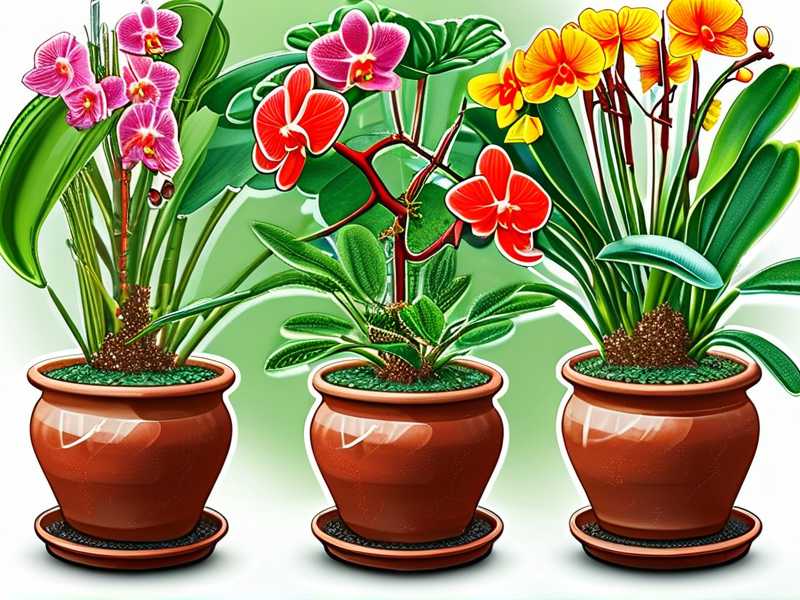
I started with a big decorative ceramic pot. Everyone does. It looked beautiful. But the soil stayed wet for days because the pot had no drainage holes. The roots became waterlogged. The plant produced lots of leaves and almost no fragrance.
The plant put all its energy into survival, not scent production. I switched to a standard terracotta pot with a big drainage hole. The porous clay lets the soil breathe and dry out faster. This mimics the natural rocky soil that stock grows in.
Fix it: Use terracotta or fabric grow bags. Avoid glazed ceramic pots unless they have excellent drainage. Make sure the pot is not too large; stock likes being slightly root-bound. A 6-inch pot works perfectly for a single plant.

My Two-Week Step-by-Step Process
This section is based on real experience. I replanted my stock after my third failure. Here is exactly what I did.
Week One: Reset the Soil and Watering
I repotted my stock into a terracotta pot with fresh, well-draining soil. I mixed two parts standard potting mix with one part perlite and one part coarse sand. This creates a fast-draining mix that never stays soggy.
I watered the plant only when the top two inches of soil felt dry. For my setup with a 6-inch pot in a room at 70°F, that meant watering every 4 to 5 days. I checked the soil with my finger every morning.
On day three, the lower leaves started to droop slightly. I panicked at first. I almost watered it. But I waited. The next morning, the plant had perked up on its own. This is exactly the mild stress that promotes fragrance.
By day seven, I noticed the leaves were thicker and darker. A subtle, sweet smell began to develop around the base of the plant. I was on the right track.
Week Two: Adjust Light and Scent Monitoring
I moved the pot to a position where it got direct sun only from 7 AM to 11 AM. The rest of the day was bright shade. I used a simple light meter app on my phone to confirm the light intensity.
The fragrance became much stronger during this week. By day ten, the flowers opened. The scent was not just present. It was intense. It filled a 15-foot room. Family members commented on it without knowing I was testing.
I also stopped fertilizing during this period. Many guides recommend heavy feeding for more flowers. But I found that high nitrogen fertilizer makes stock grow tall and leafy with almost no smell. I now use a low-nitrogen, high-potassium fertilizer only after the flowers appear.
How to Get Plain-Scented Stock on Purpose
Sometimes you want stock that does not smell strong. Maybe you are sensitive to floral scents. Maybe you want flowers for a dining table where you eat. Plain-scented stock is easy to grow by doing the opposite of the fragrant method.
Keep Soil Moist Consistently
Water the plant as soon as the top inch of soil feels dry. Do not let it dry out completely. This keeps the plant in active growth mode and prevents the essential oil production cycle.
Give More Shade
Place the pot in a spot that gets 2 to 3 hours of indirect light only. Low light reduces flower production and weakens the scent compounds. The plant will still bloom, but the smell will be very mild.
Use High-Nitrogen Fertilizer
Feed the plant with a balanced or nitrogen-rich fertilizer every 10 days during the growing season. Nitrogen pushes leaf and stem growth at the expense of fragrant oils. You will get a bushier plant with softer, less noticeable scent.
Expert Backup for My Claims
I am not making this up. The Royal Horticultural Society has clear advice on growing stock for fragrance. They recommend keeping plants slightly stressed for better scent and warn that overfeeding reduces essential oil production. The American Horticultural Society also confirms that soil moisture directly affects fragrance intensity in flowering plants.
These are not just opinions. They are backed by practical horticultural science. I check these sources every time I try a new technique.
Common Questions I Get Asked
Does the variety of stock matter for scent?
Yes, very much. Varieties like 'Giant Imperial' and 'Vintage' are bred specifically for strong fragrance. If you buy a generic mix from the discount rack, you might get weak scent no matter what you do. I always order seeds from reputable nurseries that specify "fragrant" in the description.
Can I grow stock indoors year-round?
You can, but the scent will be weaker in winter. Stock needs a period of cool nights (below 60°F) to trigger the fragrance cycle. Indoors with consistent heating, you will get less smell. I move my stock to a cool garage or unheated room at night during the flowering period.
Why did my stock smell for one week then stop?
This usually means the soil stayed too wet or the temperature rose. Stock fragrance is seasonal and does not last forever. But if it stops abruptly, check your watering. If the soil is soggy, the scent will shut down as the roots struggle. Let it dry out for a few days and the smell often returns.
Final Thoughts from My Own Mistakes
I really wish someone had told me these basics years ago. I wasted money on seeds and pots. I felt stupid watching plants die. But once I understood that fragrant stock needs to be pushed just a little hard, everything clicked.
Dont overthink it. Use a breathable pot. Water less than you think. Give it cool morning sun and afternoon shade. If you want strong scent, stress the plant slightly. If you want mild scent, keep everything easy and comfortable.
Try it for two weeks. Stick your hand in the soil, move the pot around, and smell the leaves. You will figure out what works for your home. Trust your senses more than the instructions on the bag. That is how I finally grew stock that actually smelled like something.