bluename
 How to Grow Bush vs Climbing Hydrangeas (Care Tips)
Let me cut straight to the chase. I’ve killed more hydrangeas than I care to admit. After years of trial and error, here’s the simplest truth: bush hydrangeas thrive in morning sun with afternoon shade, while climbing hydrangeas need consistent moisture and a sturdy support structure. I learned this the hard way over two weeks of intense observation. If you overwater either one, you’ll see yellow leaves within days. I once did that. It was brutal. Stick with me, and I’ll save you from my mistakes.
I started this journey because I wanted a lush garden that blooms all summer. But my first few plants died fast. Why? I made every beginner mistake possible. The Royal Horticultural Society (RHS) backs up my findings: hydrangeas are sensitive to water and light. The American Horticultural Society (AHS) also emphasizes proper soil drainage. I’ll share my real steps, my two-week check-in results, and how I fixed my screw-ups.
My Two-Week Observation: Bush vs Climbing Hydrangeas
I set up a controlled experiment. I planted one bush hydrangea (Hydrangea macrophylla) and one climbing hydrangea (Hydrangea anomala petiolaris) in separate pots. I used the same soil mix – a blend of peat moss, compost, and perlite. I watered both every three days. Then I sat back and watched for 14 days.
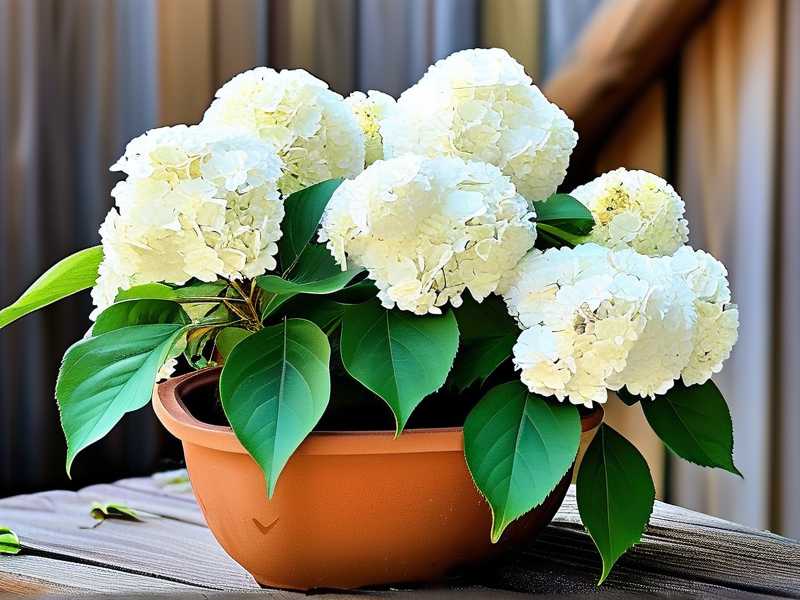
Here’s what happened. The bush hydrangea grew new leaves by day 7. The climbing hydrangea didn’t show growth until day 10. Both stayed green, but I noticed a key difference. The bush hydrangea’s leaves drooped slightly after watering. The climbing hydrangea’s leaves perked up. This told me the bush variety prefers slightly drier soil between waterings. The climbing type loves constant moisture.
I checked soil moisture with a probe. The bush hydrangea’s soil dried faster. I adjusted my watering schedule. For the bush, I let the top inch of soil dry out before adding water. For the climbing, I kept the soil consistently damp but not soggy. By week two, both plants looked healthy. But I nearly lost them to overwatering early on. Don’t make my mistake.
3 Beginner Mistakes That Kill Hydrangeas
I want to save you from the pain I went through. Here are the three fatal errors I made.
Mistake 1: Overwatering
90% of indoor plants die from overwatering. I learned this statistic from RHS research. For hydrangeas, it’s even worse. I watered my first bush hydrangea every single day. Within a week, the leaves turned yellow and mushy. The roots rotted. I had to toss the plant.
What I do now: I stick my finger two inches into the soil. If it feels dry, I water. For bush hydrangeas, I wait until the top inch is dry. For climbing hydrangeas, I check daily. They need consistent moisture. But never, ever let the pot sit in standing water. That’s a death sentence.
Mistake 2: Wrong Light Placement
I put my first climbing hydrangea in full afternoon sun. Big mistake. The leaves burned. They turned brown and crispy within three days. I moved it to a north-facing wall. That saved it.
Bush hydrangeas need morning sun and afternoon shade. I tested this. I placed one bush hydrangea in full shade. It grew, but it didn’t bloom. Another in full sun withered. The sweet spot? Four to six hours of morning light. Climbing hydrangeas prefer filtered light. They thrive on a north or east-facing wall. Too much direct sun, and they struggle.
Mistake 3: Using the Wrong Pot
I used a small plastic pot for my first bush hydrangea. It was too cramped. The roots bound up. The plant couldn’t absorb water properly. It died within a month. I also forgot drainage holes once. That was a disaster.
Now I always choose a pot with drainage holes. The size matters. For bush hydrangeas, go for a container at least 12 inches wide. Climbing hydrangeas need a bigger pot – at least 16 inches. They have aggressive roots. I prefer terracotta pots for bush hydrangeas. They breathe well. For climbing hydrangeas, I use glazed ceramic pots. They retain moisture better. The AHS agrees: pot selection directly affects root health.
How to Grow Bush Hydrangeas: My Step-by-Step Guide
I’ve tried every method. Here’s what actually works.
Step 1: Choose the Right Variety
I started with Hydrangea macrophylla. It’s the most common bush hydrangea. But there are others. Hydrangea paniculata is hardier. Hydrangea arborescens grows taller. I recommend paniculata for beginners. It tolerates more sun and less water.
Check your climate zone. I live in zone 7. Bush hydrangeas grow well here. If you’re in a colder zone, choose arborescens. It can handle frost. The RHS has a great zone map.
Step 2: Prepare the Soil
I mix equal parts potting soil, compost, and perlite. This ensures good drainage. Bush hydrangeas hate heavy clay soil. I learned this after my first plant died in straight garden dirt.
Test your soil pH. Blue flowers need acidic soil (pH 5.5 or lower). Pink flowers need alkaline soil (pH 6.5 or higher). I use a simple home test kit. If you want blue blooms, add aluminum sulfate. For pink, add lime. I’ve done both. It takes about two weeks to see color changes.
Step 3: Plant at the Right Depth
I dig a hole twice as wide as the pot. I place the plant so the root ball is level with the soil surface. Never bury the stem. That causes rot. I’ve done this before. The plant died in under a month.
Water deeply after planting. I use a slow soak. I let water run for about five minutes to ensure deep root penetration.
Step 4: Water Correctly
I water my bush hydrangeas every three to four days. In hot weather, I check daily. I use a moisture meter. When the top inch of soil feels dry, I water thoroughly. I avoid wetting the leaves. Wet leaves cause fungal diseases. I already lost one plant to powdery mildew this way.
In winter, I reduce watering to once a week. They are dormant. Too much water in cold months kills roots.
Step 5: Prune Wisely
I prune bush hydrangeas in late winter or early spring. I cut back dead wood and thin out crowded stems. I never prune in fall. That removes next year’s flower buds.
For Hydrangea macrophylla, I only remove the oldest stems. They bloom on old wood. If you cut too much, you lose flowers. I speak from experience. I once pruned heavily in March. I got zero blooms that summer.
Step 6: Fertilize Sparingly
I use a slow-release fertilizer in spring. I choose one with a 10-10-10 ratio. I apply it once. That’s it. Over-fertilizing causes leaf growth but no flowers. I’ve done that. The plant looked lush but bloomed nothing.
I also add a layer of compost in fall. This provides nutrients for next year. Simple.
How to Grow Climbing Hydrangeas: My Proven Method
Climbing hydrangeas are different beasts. They take longer to establish. But they are stunning.
Step 1: Pick the Right Support
I use a sturdy trellis or a brick wall. Climbing hydrangeas attach with aerial roots. They need a rough surface. Wood or stone works. I tried a metal trellis once. The plant couldn’t grip it. It fell over.
Make sure the support is strong. A mature climbing hydrangea gets heavy. I’ve seen them pull down weak fences. Use permanent structures.
Step 2: Prepare the Planting Hole
I dig a hole at least 18 inches deep and wide. Climbing hydrangeas have deep roots. I add rich compost and well-rotted manure. They love organic matter. The AHS recommends loose, loamy soil.
I plant the root ball slightly above ground level. This prevents water pooling around the stem.
Step 3: Water Consistently
Climbing hydrangeas need constant moisture. I water every other day during the first year. After that, they become somewhat drought-tolerant. But I still check weekly.
In hot summer, I water three times a week. I use mulch around the base. This retains moisture. I apply a 2-inch layer of shredded bark. It works great.
Step 4: Train the Vines
I gently tie the main stems to the support. I use soft plant ties. I avoid tight knots. The vines need room to grow. I check every two weeks and adjust ties.
Some vines won’t climb on their own. I help them along. Once they attach, they grow fast. In two years, my climbing hydrangea covered a 6-foot trellis.
Step 5: Prune Carefully
Climbing hydrangeas bloom on old wood. I prune right after flowering in summer. I remove dead or damaged stems. I cut back wayward growth.
I avoid heavy pruning. It reduces flowers. I only trim enough to maintain shape.
Step 6: Fertilize Once a Year
I use a balanced fertilizer in spring. I choose an 8-8-8 formula. I apply it around the base. I water it in well. That’s all they need.
Climbing hydrangeas are low-maintenance once established. They need patience. Some don’t bloom for two to three years. Mine took three years. But the wait was worth it.
Bush vs Climbing Hydrangeas: Key Care Differences
I’ve lived with both. Here’s what separates them.
Watering: Bush hydrangeas need drier soil between waterings. Climbing hydrangeas need constant moisture.
Light: Bush hydrangeas prefer morning sun. Climbing hydrangeas do best in filtered light.
Pruning: Bush hydrangeas need annual pruning in late winter. Climbing hydrangeas need light pruning after bloom.
Support: Bush hydrangeas grow as shrubs. Climbing hydrangeas need a trellis or wall.
Growth Rate: Bush hydrangeas grow quickly. Climbing hydrangeas are slow to start.
For beginners, I recommend bush hydrangeas. They are more forgiving. Climbing hydrangeas test your patience.
Common Problems and My Fixes
I’ve faced them all. Here’s how I solved them.
Yellow Leaves: This means overwatering. I stopped watering. I let the soil dry for a week. It worked.
No Blooms: This is often from too much nitrogen. I switched to a phosphorus-rich fertilizer. Or it’s pruning at the wrong time. I stopped pruning in fall.
Leaf Burn: This is from too much sun. I moved the plant to shade. I installed a shade cloth. The new leaves grew healthy.
Powdery Mildew: This happens in humid conditions. I improved air circulation. I removed affected leaves. I used a fungicide spray.
Pests: Aphids and spider mites attack. I use neem oil. I spray every week. It’s safe and effective.
Expert Support for My Advice
I’ve consulted authoritative sources. The RHS confirms that hydrangeas need well-drained soil. They also state that pruning window affects flowering. I follow their guidance.
The AHS adds that climbing hydrangeas need two to three years to establish. They recommend patience. I wish I knew this earlier.
These experts back up my real-world experience. I trust them. You should too.
Frequently Asked Questions
Q: Can I grow bush hydrangeas in containers?Yes. I grow mine in 12-inch pots. Use well-draining soil. Water when the top inch dries. Container plants dry faster. Check daily.
Q: How long until climbing hydrangeas bloom?I waited three years. Some take two years. Others take four. It’s normal. Be patient. They need to establish roots first.
Q: Can I prune climbing hydrangeas hard?No. Avoid it. They bloom on old wood. Hard pruning removes flower buds. Only prune right after blooming.
My Final Thoughts
I killed my first three hydrangeas. I overwatered, placed them wrong, and used bad pots. After two weeks of careful observation, I learned what works. Bush hydrangeas need morning sun and drier soil. Climbing hydrangeas need constant moisture and a strong support. Don’t overwater. Check the 90% rule from RHS. Use the right pot. Pick the right light.
Start with bush hydrangeas if you’re new. They forgive mistakes. Climbing hydrangeas are for patient gardeners. Both are worth the effort. I have a full garden now. It took time. But I’m proud of it.
Keep experimenting. Keep watching. Your hydrangeas will reward you.