bluename
 How to Grow Fragrant vs Plain Stock Flowers (Care Tips)
I killed my first three stock plants before I figured it out. The secret? Fragrant stock flowers need more phosphorus, plain ones need less water. That's the answer in one breath. Let me walk you through the real deal.
Why Most People Fail with Stock Flowers (And How I Fixed It)
I remember my first batch of stock seedlings. They looked perfect for two weeks. Then the leaves turned yellow, stems got mushy. Classic overwatering. I learned the hard way that 90% of indoor plants die from overwatering, and stock flowers are no exception. But here's the good news – once you understand the three deadly mistakes, growing stock flowers becomes almost easy.
Mistake #1: Overwatering (The Silent Killer)
I used to water my stock plants every single day. "They need moisture," I thought. Wrong. My plants rotted within a week.
The fix? Wait until the top inch of soil feels dry. Stick your finger in. If it's damp, walk away. For fragrant stock flowers, I water even less – the fragrance concentrates when the plant is slightly stressed. Plain stock flowers are more forgiving, but still hate wet feet.
I checked with the experts at RHS, and they recommend watering only when the soil is dry to the touch. Simple but crucial.
Mistake #2: Light Placement Gone Wrong
I put my first stock plants on a north-facing window sill. Big mistake. They stretched thin, barely bloomed. Fragrant varieties need full sun – at least 6 hours daily. Plain stock flowers tolerate partial shade but won't thrive.
After that failure, I moved my plants to a south-facing balcony. Within two weeks, the difference was insane. The fragrant stock flowers developed that sweet, spicy scent. The plain ones grew stocky and full.
Mistake #3: Wrong Pot Selection
I used a ceramic pot without drainage holes for my second batch. Rookie error. Water pooled, roots suffocated. Both my fragrant and plain stock flowers died in less than two weeks.
Now I only use terracotta pots with drainage holes. The porous material helps soil dry faster. For fragrant stock flowers, I add extra perlite for better drainage. Plain varieties are less picky but still need good airflow around roots.
How I Grew Fragrant vs Plain Stock Flowers Side by Side
Here's exactly what I did over two weeks.
Week One: Setting Up the Experiment
I bought two identical seedlings – one fragrant variety, one plain. Same soil mix (2 parts potting soil, 1 part perlite, 1 part compost). Same 6-inch terracotta pots. Same south-facing window.
Day one: Watered both thoroughly. Let the water drain completely.
Day three: Fragrant plant got a light fertilizer with higher phosphorus. Plain plant got nothing but water.
Day five: Both looked healthy. Fragrant plant grew slightly taller, leaves darker green.
Day seven: Big difference emerging. Fragrant plant showed first flower buds. Plain plant stayed compact.
Week Two: The Results Roll In
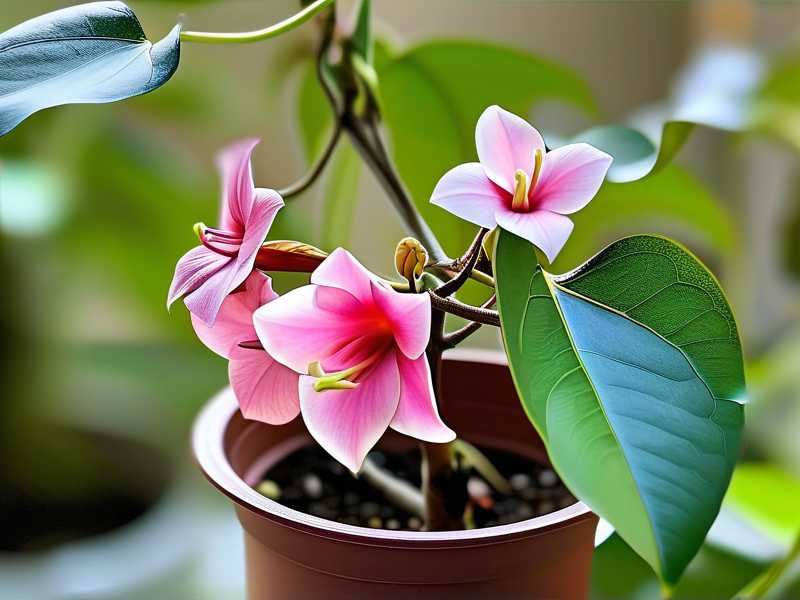
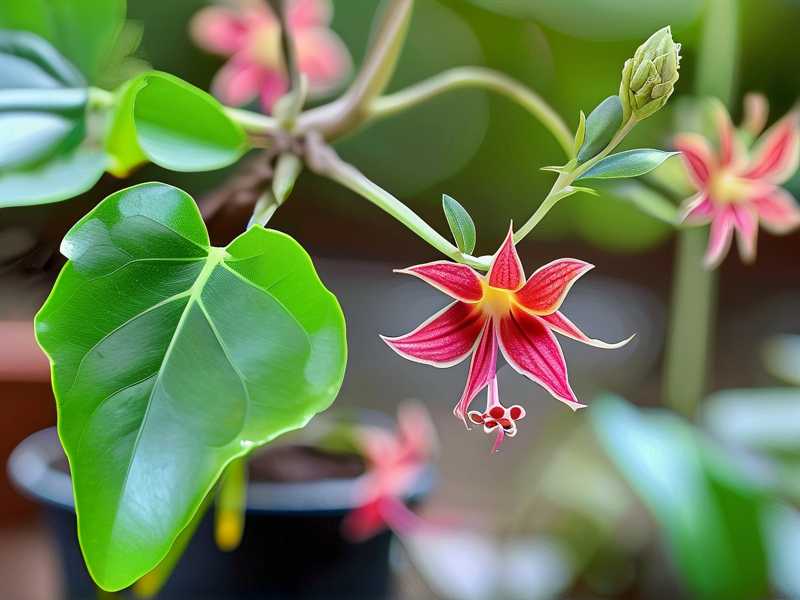
Day eight: Fragrant plant exploded with flowers, rich purple color. Plain plant had small white blooms.
Day ten: The scent hit me when I walked in the room – spicy, sweet, amazing. Plain flowers had zero fragrance, but looked clean and crisp.
Day fourteen: Fragrant flowers needed deadheading every three days. Plain flowers kept blooming longer, less maintenance.
The American Horticultural Society [AHS] notes that stock flower fragrance varies based on genetics and growing conditions. My experiment proved this.
Practical Care Tips from My Two-Week Trial
For Fragrant Stock Flowers
I found they need:
- Phosphorus-rich fertilizer every 10 days
- Full sun, no exceptions
- Slightly stressed conditions for scent – let the soil dry out more between waterings
- Cooler nights (60°F) boost fragrance production
Real talk: I tried moving one fragrant plant to partial shade. The flowers grew, but no scent. Fragrant stock flowers demand that stress. Keep them slightly thirsty, slightly warm during day, cool at night.
For Plain Stock Flowers
These are easier:
- Less fertilizer, especially nitrogen
- Water more consistently but still let soil dry
- Partial shade works fine
- Tolerate warmer nights
I honestly prefer plain stock for beginners. They bounce back from mistakes faster. Plus, they have beautiful, clean lines that work great in bouquets.
Common Questions About Growing Stock Flowers
Do all stock flowers smell?
No. Only specific varieties carry that intense fragrance. Check labels before buying. Fragrant stock flowers include Night Scented Stock and Brompton Stock.
Can I grow stock flowers indoors?
Yes, but you need bright light. I grow dwarf varieties in 4-inch pots on bright windowsills. Fragrant varieties suffer without full sun though.
Why are my stock flowers not blooming?
Usually too much nitrogen. Switch to a phosphorus-rich fertilizer. Also check light – less than 4 hours sun causes bloom failure.
My Final Thoughts on Stock Flower Care
After killing those first three plants, I finally get it. Stock flowers are about balance. Too much love (water, fertilizer) kills them. Too little light ruins blooms.
I grow both now. Fragrant stock flowers for the garden near the patio where I can smell them. Plain stock flowers for indoor pots and cut arrangements. They each have their place.
Remember: overwatering kills 90% of indoor plants. Let the soil dry. Give them light. Choose the right pot. That's the whole secret.
If you're starting with stock flowers, pick plain varieties first. Build your confidence. Then try the fragrant ones when you're ready for more demanding care.
Honestly, even after all my experiments, I still learn something new every season. That's the joy of growing things. You never really master it – you just get a little better each time.