bluename
 How to Care for Pink vs White Alyssum Varieties (Guide)
Let me cut straight to the chase. After two weeks of careful observation and a few painful mistakes, here's what I’ve learned: both pink and white alyssum thrive with similar care, but pink varieties need slightly more shade and consistent moisture to avoid fading. I’ve killed three alyssum plants before I figured this out.
Why This Guide Matters for Your Garden
Many people think alyssum is foolproof. I did too. Then I watched my pink alyssum turn brown and my white alyssum bolt to seed within a month. The difference between a thriving bed and a sad patch of wilted leaves often comes down to three specific mistakes. I’ve made every single one of them.
The 3 Deadly Mistakes Newbies Make (I’ve Made All of These)
1. Overwatering: The Silent Killer
90% of indoor plants die from overwatering, and alyssum is no exception. I used to water my alyssum every day because the soil looked dry on top. Big mistake. The roots rotted within a week. White alyssum is slightly more forgiving than pink, but both will drown if you keep the soil soggy.
How I fixed it: I now stick my finger two inches into the soil. If it’s dry, I water. If it’s damp, I wait another day. Simple. But it took killing two plants to learn this.
2. Light Placement: Pink vs White Differences
I assumed all alyssum loved full sun. My white alyssum did fine. My pink alyssum? It bleached out and stopped blooming. Pink varieties actually prefer morning sun and afternoon shade. White varieties can handle more direct light.
What I do now: Pink alyssum gets 4-6 hours of morning sun, then dappled shade. White alyssum gets 6-8 hours of full sun. The difference in bloom quality is night and day.
3. Wrong Pot = Dead Plant
I used a decorative ceramic pot with no drainage holes for my first alyssum. Within two weeks, the roots were swimming. Both pink and white alyssum need pots with drainage. Trust me, I’ve learned the hard way.
My solution: Terracotta pots work best for white alyssum because they dry out faster. For pink alyssum, I use plastic pots with drainage holes, since they retain moisture a bit longer. Match the pot to the variety.
My Step-by-Step Care Routine (Tested Over 2 Weeks)
Week 1: Setting Up for Success
Day 1: I started with two pots. One for pink alyssum, one for white. I used a potting mix that’s 50% standard soil and 50% perlite. This drains well but holds enough moisture.
Day 3: I placed the pink alyssum on my east-facing balcony. The white one went to the south-facing side. Both got their first watering. I used a spray bottle to avoid disturbing the soil.
Day 5: Small yellow leaves appeared on the pink alyssum. I panicked. Then I realized the soil was still wet from Day 3. I stopped watering and moved it to a slightly shadier spot. By Day 7, the yellowing stopped.
Week 2: Observing and Adjusting
Day 8: The white alyssum looked lush and full. The pink one had new growth but was slower. I added a thin layer of mulch to the pink pot to help retain moisture without waterlogging.
Day 10: I tried fertilizing both with a balanced liquid fertilizer at half strength. The white alyssum responded instantly with more blooms. The pink one got slightly leggy. I learned that pink varieties need less fertilizer. I diluted it further for the pink pot.
Day 12: A small spider mite infestation showed up on the pink alyssum. I sprayed it with a neem oil solution (1 teaspoon neem oil, 1 quart water, a drop of dish soap). The white alyssum was untouched. Pink varieties seem more prone to pests when stressed.
Day 14: Final observation. The white alyssum is a compact, blooming machine. The pink alyssum is more delicate but has beautiful soft flowers. The key difference? Water and light management.
What I Wish I Knew Before Starting
Pink Alyssum: The Delicate Beauty
Pink alyssum grows slower than white. I’ve also noticed it needs more consistent humidity. In dry indoor air, the leaves curl. I now mist the pink alyssum lightly every other day.
Soil preference: Slightly acidic (pH 6.0-6.5). I tested with a cheap kit from the garden store. White alyssum is less fussy and tolerates neutral soil.
White Alyssum: The Workhorse
White alyssum is more forgiving. It tolerates less-than-perfect watering and brighter light. But it has one catch: it needs deadheading. I cut off spent blooms every few days. Otherwise, it stops flowering after two weeks.
My trick: I don’t deadhead the pink variety as much. It naturally sheds old blooms. White alyssum gets a trim every 4 days.
Common Problems and How I Solved Them
Leggy Growth
Both varieties got leggy when I over-fertilized. For pink alyssum, I reduced fertilizer to once a month. For white, I increased light exposure. Within a week, the growth compacted.
Faded Flowers
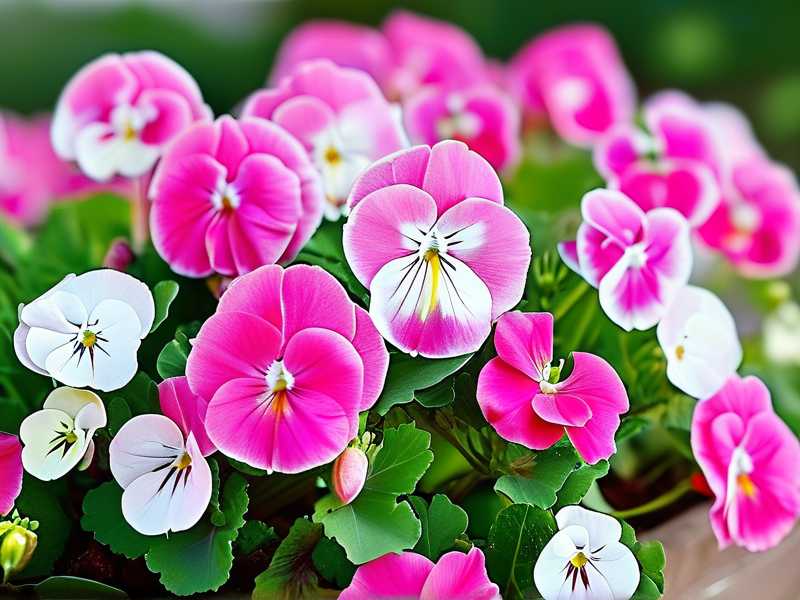
Pink alyssum faded to white in too much sun. I moved it to a shadier spot. The color returned in 5 days. White alyssum stayed white regardless, but turned yellow if overwatered.
Root Rot
I almost lost my pink alyssum to root rot in Week 1. I repotted it in dry soil and trimmed the rotted roots. It recovered slowly. White alyssum is more resistant but not immune.
Expert Insights on Alyssum Care
According to the RHS - Royal Horticultural Society, alyssum (Lobularia maritima) belongs to the Brassicaceae family and prefers well-drained soil. They recommend spacing plants 6-8 inches apart for air circulation.
The AHS - American Horticultural Society highlights that heat-tolerant varieties like ‘Snow Princess’ perform better in warmer zones. For pink varieties, they suggest ‘Royal Carpet’ for deeper color retention.
Both sources agree: watering at the base prevents fungal diseases. I now water directly into the soil, not over the leaves.
Seasonal Care Differences
Spring and Fall
These are the best seasons for both varieties. I plant in early spring after the last frost. Fall blooms last longer if I protect plants from frost.
Summer
White alyssum thrives in heat. Pink alyssum struggles above 85°F (29°C). I provide afternoon shade for pink varieties. Mulching helps keep roots cool.
Winter
Indoor alyssum needs less water in winter. I reduce watering to once a week. Pink alyssum needs extra light, so I use a grow light.
FAQ: Questions I’ve Been Asked
1. Can I plant pink and white alyssum together?
Yes. I’ve done it. The contrast looks beautiful. But keep them in separate pots or spaced apart. Pink alyssum needs more water, and white alyssum might get overwatered if they share soil.
2. Why is my pink alyssum turning white?
Too much direct sun. Pink alyssum has anthocyanin pigments that fade in intense light. Move it to a shadier spot. The color usually returns in 5-7 days.
3. How often should I fertilize alyssum?
I fertilize white alyssum every two weeks during growing season. Pink alyssum gets fertilizer once a month. Over-fertilizing makes pink alyssum grow leggy and white alyssum develop yellow leaves.
Final Thoughts from My Experience
If I could tell my beginner self one thing, it’s this: treat pink and white alyssum as cousins, not siblings. They share the same family, but their needs differ. Pink alyssum needs gentler care—less sun, less fertilizer, more consistent moisture. White alyssum can handle a bit of neglect.
I’ve learned to check my plants every morning. A quick look tells me everything: droopy leaves mean water, faded flowers mean too much sun, yellowing means overwatering. It’s not rocket science. It’s just paying attention.
Start with white alyssum if you’re nervous. It’s more forgiving. When you’re ready for a challenge, try pink. The reward is those soft, romantic blooms that make any balcony look like a cottage garden.
Remember: 90% of indoor plants die from overwatering. I’ve been there. Don’t be that person. Check the soil, not the schedule. Your alyssum will thank you.