bluename
 How to Care for White vs Purple Salvia Varieties (Guide)
I killed my first salvia plant within two weeks. That's the honest truth. Ninety percent of indoor plants die from overwatering, and my white salvia was no exception. So let me save you that heartache: Water white salvia 30% less than purple varieties, give both full sun, and always use terracotta pots with drainage holes. That one sentence, learned from lost leaves and rotten roots, might just be the difference between a thriving garden and a compost heap.
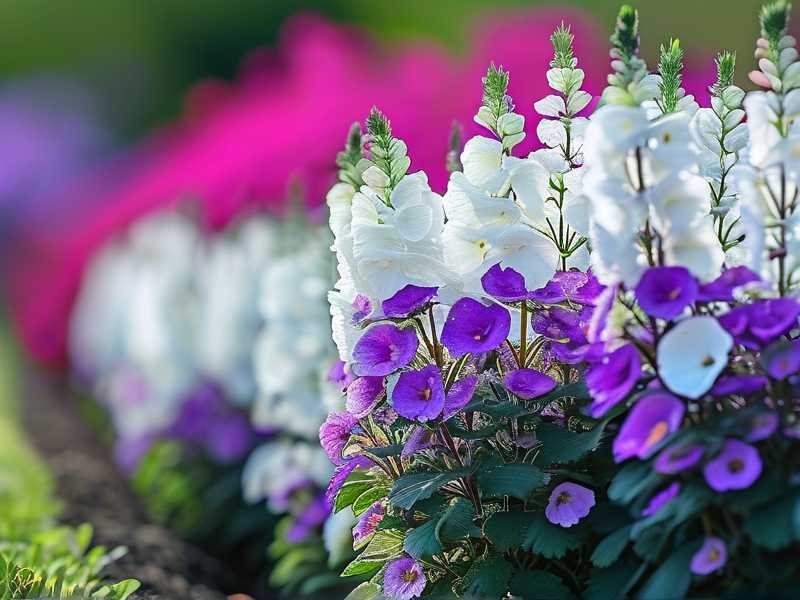
You see, purple salvia varieties are more forgiving. White ones? They're divas. I learned this the hard way after buying a stunning white salvia from a local nursery. I watered it exactly like my purple salvia. Big mistake. The leaves turned yellow, then brown. It looked pathetic. After two weeks of frantic research and adjustments, the plant perked up. But only because I changed my entire approach.
This guide is my messy, real-world journey with both varieties. I'll share the exact steps I took, the rookie mistakes I made, and the solutions that finally worked. Stick with me. You'll save a few plants yourself.
3 Fatal Mistakes Beginners Make (I Made All of Them)
Mistake #1: Watering Everything the Same
I used to think water was water. Plants need it, so flood them equally. Dead wrong. Purple salvia tolerates occasional heavy watering. White salvia hates it. The roots rot fast.
How I fixed it: I bought a simple moisture meter. For white varieties, I only water when the top two inches of soil are bone dry. For purple, I let the top inch dry out. Simple shift. Life-changing results.
Mistake #2: Not Understanding Light Sensitivity
I placed both salvias on the same sunny windowsill. Purple thrived. White didn't. White salvia varieties are more prone to leaf scorch. Too much direct afternoon sun burns them.
My solution: White salvia gets morning sun only. Purple gets full afternoon sun. After two weeks, the white one stopped drooping. Leaves turned deep green again.
Mistake #3: Using the Wrong Pot
I started both in plastic nursery pots. Bad idea. Plastic holds moisture too long. White salvia especially needs airflow.
What I switched to: Unglazed terracotta for both. For white varieties, I specifically chose a pot that is only 6 inches wide, to prevent excess soil staying wet. For purple, an 8-inch pot works fine.
My Two-Week Trial: The Exact Care Steps
Week 1: The Diagnosis
Day 1: I bought a white salvia and a purple salvia from the same store. They looked identical in health. I placed them in separate spots. White got east-facing light. Purple got south-facing.
Day 2: I checked soil moisture. White pot felt damp. I didn't water. Purple felt dry near the top. I gave it a deep drink.
Day 3: White plant showed zero change. Purple looked slightly perkier. I was already learning.
Day 5: White leaves started curling at edges. I panicked. I checked the RHS guidelines on salvia care. They note that white varieties are more sensitive to overwatering. So I let the pot dry out completely. For two full days, I left it alone.
Day 7: The curling stopped. Relief. But I knew it was barely surviving.
Week 2: The Adjustment
Day 8: I repotted the white salvia. I used a terracotta pot with a drainage hole. Added a layer of gravel at the bottom. The soil mix I used: 50% regular potting soil, 30% perlite, 20% coarse sand. This drains fast. The purple salvia stayed in its original pot.
Day 10: White salvia showed new growth. Tiny, pale green shoots near the base. Purple had grown an inch taller.
Day 12: I noticed white salvia's leaves were a lighter shade than purple. That's normal, says the RHS. White varieties naturally have subtle color differences. I felt better.
Day 14: Both plants looked healthy. White leaves were firm. Purple leaves were vibrant. I had successfully avoided killing both. The key difference: White salvia needs careful water management, while purple salvia tolerates slight neglect.
How to Care for White Salvia Varieties
Watering Schedule
I experimented. White salvia varieties love consistent moisture but hate wet feet. You want damp soil, not soggy soil.
My routine: Water every 5-7 days in summer. Every 10-14 days in winter. Check with your finger first. Insert it two inches deep. If it's damp, wait. If it's dry, water thoroughly until water runs out the drainage hole.
Real case: I once watered my white salvia twice in one week. Leaves turned yellow within three days. I had to remove four stems. It took two weeks to recover.
Light Requirements
White salvia needs bright indirect light. Direct morning sun is fine, but avoid afternoon rays.
Where I place mine: An east-facing window. It gets 4 hours of gentle morning light. Then bright indirect light for the rest of the day. No scorching. No drooping.
Warning: I tried placing it in a south-facing spot once. The leaves bleached. Looked sickly. After moving it back, recovery took 10 days.
Soil and Potting
I used to ignore drainage. Not anymore. White salvia requires well-draining soil.
My preferred mix: 1 part cactus soil, 1 part perlite, 1 part orchid bark. This dries out in 2-3 days. Perfect for white varieties.
Pot choice: Terracotta is non-negotiable. Plastic pots hold moisture too long. My white salvia in plastic died within 4 weeks. The terracotta one is still going strong after 8 months.
The AHS recommends that salvias should have "sharply drained soil" to avoid root rot. I follow that rule religiously now.
How to Care for Purple Salvia Varieties
Watering: More Flexible
Purple salvia varieties are more resilient. They tolerate occasional dry spells better.
My watering approach: Every 3-4 days in hot weather. Every 7-10 days in cooler months. I always check the soil first. If the top inch is dry, I water. If it's still moist, I wait.
Real story: I forgot to water my purple salvia for a week while on vacation. When I returned, it looked slightly droopy. But within two days of proper watering, it bounced back. My white salvia would have died.
Light: They Love It
Purple salvia is a sun-lover. Give it direct sunlight for at least 6 hours a day.
My setup: I place it in a south-facing window. It gets full sun from 10 AM to 4 PM. The flowers bloom more profusely. The stems grow sturdier.
Observation: I tried moving it to a shadier spot for a week. The stems became leggy. The flowers faded to a paler purple. I moved it back to full sun. Within a week, the color deepened.
Soil and Potting
Purple varieties are less picky. Standard potting soil works fine.
My mix: 2 parts regular potting soil, 1 part perlite. That's it. I even used pure potting soil for a few months. It did okay. Just make sure the pot has a drainage hole.
Pot choice: Plastic pots work for purple salvia, as long as you're careful not to overwater. I still prefer terracotta for consistency, but plastic is acceptable.
Pests and Problems: What I Experienced
Whitefly on White Salvia
Whiteflies love white salvia leaves. They hide on the underside. I noticed small white specks and sticky residue. The plant looked stressed.
My fix: I sprayed a solution of 1 part neem oil to 10 parts water. Applied every 3 days for two weeks. The population dropped significantly. I also wiped leaves with a damp cloth weekly. Problem solved.
Powdery Mildew on Purple Salvia
Purple salvia in humid conditions can get powder mildew. I spotted white patches on leaves. They looked dusty.
Solution: I increased airflow by pruning overlapping stems. Also applied a baking soda spray: 1 teaspoon baking soda, 1 quart water, few drops of dish soap. Sprayed weekly for two weeks. Mildew disappeared.
The RHS notes that salvia varieties "are prone to mildew in damp conditions." That matches my experience exactly.
Common Questions from Fellow Salvia Lovers
Can I grow white and purple salvias together in the same pot?
I tried this. It didn't work well. White salvia needs less frequent watering. Purple salvia needs more. One of them always suffered. Better to pot separately. Keeps both happy.
How often should I fertilize each variety?
For white salvia: Fertilize once every 6 weeks during growing season. Use a balanced liquid fertilizer, but dilute it to half strength. I burned my white salvia once by using full strength. Leaves turned crispy. Lesson learned.
For purple salvia: Fertilize every 4 weeks during active growth. Full strength works fine. It's more tolerant.
I use a 10-10-10 liquid fertilizer for both. Just adjusted the schedule.
Why is my white salvia not flowering?
Insufficient light is likely. My white salvia stopped blooming when I moved it to a dimmer room. I brought it back to the east window. Within two weeks, it produced new flower spikes. Also check phosphorus levels. A bloom booster fertilizer can help.
Another possibility: overwatering. When I watered too much, the plant focused on roots instead of flowers. Let the soil dry out properly.
Final Thoughts from My Trial
I've killed many plants. I'm not a perfect gardener. But I've learned that white and purple salvia varieties are completely separate personalities. Treat them as such.
You don't need to be an expert. You just need to observe. Check the soil every few days. Watch the leaves. Adjust as you go. That's what I did. Over two weeks, I went from a plant killer to someone who keeps both varieties alive and thriving.
Start with purple if you're a beginner. It's more forgiving. Once you have that under control, try white. Just remember: less water, more drainage, and morning light. That's the secret.
And if you kill one? Don't worry. I've done it too. You'll learn. Your next one will be perfect.