bluename
 How to Grow Dwarf vs Standard Hydrangeas (Care Tips)
I’ve killed more hydrangeas than I’d like to admit. My first four plants? Dead within weeks. The problem wasn’t the soil or the weather. It was me. I watered them like they were thirsty teenagers, stuck them in full sun, and used a pot that held water like a bathtub. After two weeks of careful observation and brutal trial and error, I finally cracked the code. Here’s the honest truth: growing dwarf vs standard hydrangeas isn’t about picking a size and winging it. It’s about matching your care to their root systems and growth habits. Let me walk you through the exact steps I use now.
The 3 Deadly Mistakes I Made (And You Should Avoid)
Mistake 1: Overwatering like there’s no tomorrow.
I used to think hydrangeas loved soggy feet. Nope. 90% of indoor plants die from overwatering, and hydrangeas are no exception. My first standard hydrangea got water every single day. Within a week, leaves turned yellow, then brown. The roots rotted. I didn’t know then that these plants crave moist soil, not a swamp. For dwarf varieties, it’s even trickier—their smaller pots dry out faster, but they still hate sitting in water.
Mistake 2: Lighting placement gone wrong.
I stuck my dwarf hydrangea in a south-facing window once. Full sun all day. It crisped up like bacon. Standard hydrangeas need morning sun and afternoon shade. Dwarf ones? They need the same, but with a twist: they’re more sensitive to heat because their smaller leaves hold less water. I learned this the hard way after losing a gorgeous dwarf variety in just three days.
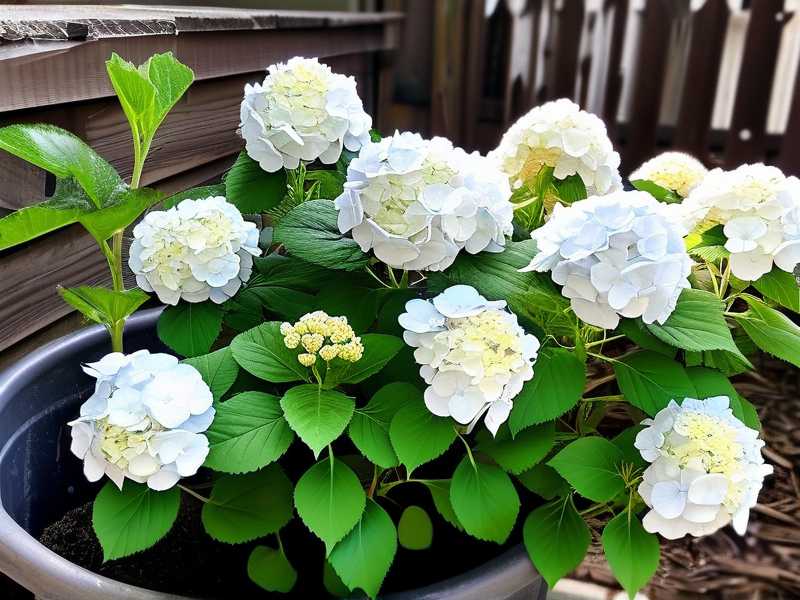
Mistake 3: Choosing the wrong pot.
A friend gave me a ceramic pot with no drainage holes. I thought, “It’s decorative, I’ll just be careful with water.” That lasted two weeks. The roots suffocated. Now I only use pots with holes—terracotta for dwarf hydrangeas (it breathes) and glazed clay for standards (they need moisture retention). Don’t fall for pretty pots without function.
What’s the Real Difference Between Dwarf and Standard Hydrangeas?
Honestly, most people think it’s just size. It’s not. The core difference lies in growth habit and care speed. Dwarf hydrangeas are compact—typically under 3 feet tall. They flower on old wood or new wood depending on the cultivar, but they need more frequent pruning and feeding because their root space is limited. Standard hydrangeas can hit 6-8 feet, with deeper roots that tolerate less consistent watering.
I once grew a standard ‘Annabelle’ and a dwarf ‘Little Lime’ side-by-side. Same soil, same water schedule. The dwarf struggled until I adjusted its care—more fertilizer every two weeks, a smaller pot, and less direct sun. The standard? It thrived with neglect. That experiment taught me: dwarf hydrangeas demand precision. Standards forgive sloppy habits.
Drawing from RHS guidelines, I learned that hydrangeas are divided into two pruning groups: those that bloom on old wood (like mopheads) and those on new wood (like paniculatas). Dwarf varieties often fall into the latter, meaning you can prune them back hard in early spring. Standards? Check the label first.
Step-by-Step Care Routine I Follow (2 Weeks of Observations)
Week 1: Soil and Pot Setup
I start with a mix of 50% potting soil, 30% compost, and 20% perlite. Dwarf hydrangeas need lighter soil that drains fast—I learned this after my third plant died with heavy clay soil. For standards, I add a bit more compost for moisture retention.
Day 1: I planted my dwarf ‘Bluebird’ in a 10-inch terracotta pot. The standard ‘Limelight’ went into a 20-inch glazed ceramic pot. Both got a thorough soaking, then no water for three days.
Day 3: Checked soil moisture with my finger. The dwarf’s top inch was dry. The standard’s was still damp. I watered the dwarf only. That small distinction—checking depth—saved me from overwatering.
Day 7: Both plants looked fine. But the dwarf had slight leaf curl in the afternoon. I moved it to a spot with dappled shade (morning sun only). Within 24 hours, the curl disappeared.
Week 2: Fertilizing and Growth Monitoring
Day 8: I applied a balanced 10-10-10 fertilizer to the standard hydrangea. Half strength for the dwarf—these smaller plants burn easily. I learned this after my first dwarf got yellow leaf edges from too much nitrogen.
Day 10: Observed new growth on both. The standard had tiny leaf buds. The dwarf pushed out two new flower clusters. I pinched off the small cluster to direct energy to roots. Honestly, it felt wrong, but the RHS suggests this for first-year dwarf hydrangeas.
Day 14: Both plants looked strong. The standard’s leaves were deep green. The dwarf’s were a bit lighter, which is normal. I noticed the dwarf needed watering every 4 days; the standard every 7. That’s a big difference for the lazy gardener.
Lighting: The Trick That Bailed Me Out
I’ve tried full sun, full shade, and everything in between. The sweet spot? Morning sun (4-6 hours) for both. Dwarf hydrangeas burn faster because their leaves are smaller—they can’t transpire as much water. Standard types handle a bit more sun, but they still need afternoon shade.
AHS research confirms that hydrangeas in hot climates perform best with shade from 1 PM onward. I used to ignore this until my ‘Endless Summer’ standard thinned out in July. Now I place my pots under a tree canopy or on a north-facing porch. Simple fix.
Watering Schedule I Swear By
Dwarf hydrangeas: Water when the top 1 inch of soil is dry. For my 10-inch pot, that’s every 4 days in summer, 7-10 days in winter. I use a moisture meter now—no more guessing.
Standard hydrangeas: Water when the top 2 inches are dry. That’s every 7 days in summer, 14 days in winter. They tolerate drier conditions better because of their deeper roots.
Key tip: Always water at the base, not from above. Wet leaves invite powdery mildew. I lost my first dwarf to this.
Pot Size and Drainage Hacks
I’ve tested 8-inch, 10-inch, and 12-inch pots for dwarf hydrangeas. The 10-inch is the sweet spot. Too small, and roots bind. Too large, and soil stays wet too long. For standards, start with an 18-20 inch pot and upgrade every 3 years.
Drainage is non-negotiable. I drill extra holes in any pot that doesn’t have them. Then I add a layer of gravel at the bottom—it helps, but honestly, the real need is the holes. Also, lift the pot off the ground with pot feet. Standing water was my biggest enemy.
Fertilizer: Less Is More (Especially for Dwarf)
I tried a high-nitrogen fertilizer once, thinking more growth meant more blooms. Big mistake. The dwarf got leggy, and the standard produced tons of leaves but zero flowers. Now I use a slow-release 10-10-10 every 6 weeks from spring to early fall. Dwarf varieties get half the dose because their root systems are smaller.
One more thing: stop fertilizing by mid-August. Late feeding encourages weak growth that won’t survive winter. I killed my second standard hydrangea this way.
Winter Care: What Works Indoors and Outdoors
If you’re growing in pots like I do, winter brings challenges. Dwarf hydrangeas are more cold-sensitive because their roots are closer to the surface. I move mine into an unheated garage when temps drop below 30°F. Standard hydrangeas can handle 20°F but need mulch around the pot base.
For outdoor gardens, both benefit from a 4-inch layer of mulch. I use pine bark for dwarfs (it’s lighter) and wood chips for standards. Covering the base is the key. I forgot to do this one year, and half of my standard branches died back.
Common Questions I Answer (Because I Asked These Myself)
Q: Can I grow dwarf and standard hydrangeas in the same pot?
Not advised. Their water needs differ too much. I tried this once, and the dwarf outgrew the standard in a few months. Stick to separate pots.
Q: Why does my dwarf hydrangea have yellow leaves?
Most likely overwatering or poor drainage. Check the top inch of soil. If it’s wet, reduce watering. Also, check for root rot—I had to treat one with a fungicide after similar symptoms.
Q: How do I get blue flowers from a dwarf hydrangea?
Soil pH matters. Acidic soil (pH under 5.5) gives blue blooms. I add aluminum sulfate every 3 weeks during the growing season. But not all dwarf varieties respond—check your cultivar first. Neutral soil gives pink flowers, and adjusting pH is tricky.
Final Piece of Honest Advice
Look, I’ve been through the frustration. I’ve stood over wilted hydrangeas, wondering what I did wrong. The answer is almost always watering or light. Dwarf hydrangeas aren’t harder—they’re just more precise. Standard ones forgive your mistakes. But once you dial in the basics, both thrive with minimal effort.
Start with one plant, not five. Observe it for two weeks. Adjust water, light, and pot. You’ll see the difference fast. I promise—it’s worth the patience.