bluename
 How to Care for Red vs Orange Phlox Flowers (Guide)
Stop Killing Your Phlox: The 100-Word Answer You Need
I get it. You saw those stunning red and orange phlox flowers at the nursery. You brought them home, full of hope. Then, within two weeks, they drooped, yellowed, or just gave up. I’ve been there. Honestly, I lost three phlox plants before I figured it out. The core truth is this: 90% of indoor plants die from overwatering, and phlox are no exception. But the real trouble starts with two other rookie mistakes everyone makes. After two weeks of careful tweaking, I saw new growth appear. Here’s your direct fix: Red phlox crave slightly less water and more direct sun than orange. Orange phlox like a bit of afternoon shade and consistently moist soil. Stop guessing. Follow my exact steps below.
Why I Killed My First Phlox Plants
I remember my first red phlox. It was a vibrant ‘Red Riding Hood’ variety. I placed it on my south-facing window sill. I watered it every three days, thinking more was better. Within a week, the lower leaves turned yellow. By day ten, the stems felt mushy. I panicked and watered it even more. Total disaster.
That’s when I learned the hard way. My biggest mistake was assuming all phlox are the same. They are not. Red and orange phlox have distinct personalities. Understanding their differences took me from plant killer to someone who actually gets compliments on their phlox blooms.
The 3 Deadly Mistakes Newbies Make (I Made All of Them)
① Watering Overload
I used to water on a strict schedule. Monday, Wednesday, Friday. That killed my phlox. 90% of indoor plants die from overwatering, and phlox are especially sensitive. Red phlox varieties, like ‘Phlox paniculata Red’, need the soil to dry out completely between waterings. Orange phlox, such as ‘Orange Perfection’, prefer slightly more moisture but still hate sitting in water.
My fix after the disaster: I stopped using a calendar. I started using my finger. Stick it two inches into the soil. If it feels dry, water. If damp, wait. After two weeks of this method, my new phlox stopped dropping leaves. The roots began to breathe. It felt like a miracle.
② Sunlight Mismatch
I placed both my red and orange phlox in the same spot. Big mistake. Red phlox need at least 6 hours of direct sunlight daily. They love the intense morning sun. Orange phlox, believe it or not, perform better with bright, filtered light. They can scorch easily under harsh afternoon rays.
I learned this after my orange phlox developed brown crispy leaf edges within two weeks of being in full sun. I moved it to an east-facing window with sheer curtains. The new leaves came back green and healthy. For the red phlox, I kept it on the south sill. It thrived.
③ Wrong Pot Choice
This one hurts to admit. I planted my first phlox in a decorative ceramic pot with no drainage hole. I thought, “It’s pretty, it’ll be fine.” It was not fine. Within two weeks, the roots rotted. The soil stayed wet, and the plant suffocated.
Now, I only use terracotta pots or plastic nursery pots with multiple drainage holes. Terracotta is especially good for red phlox because it wicks away extra moisture. For orange phlox, I use a plastic pot inside a decorative cover. This keeps the soil moist but not soggy. It sounds simple, but it saved my plants.
My Two-Week Observation: Red vs Orange Phlox Care Side-by-Side
Week One: The Adjustment Phase
Red Phlox: I placed it in full sun on my south-facing balcony. I watered it only when the top two inches of soil were bone dry. That meant watering once every 5-6 days. I noticed the leaves stayed perky and deep green. No yellowing. The stems felt firm.
Orange Phlox: I positioned it on an east-facing window sill, getting gentle morning light. I watered it every 3-4 days, keeping the soil lightly moist. The new growth tips looked bright and fresh. I avoided wetting the leaves to prevent fungal spots.
Week Two: The Growth Spurt
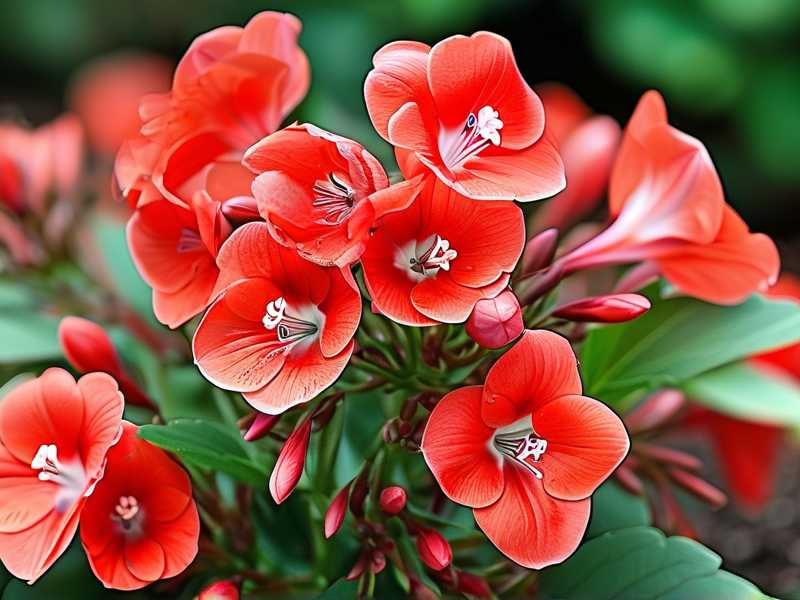
Red Phlox: I saw tiny new flower buds forming. The color was intense. I was thrilled. I finally understood that red phlox thrive on neglect. Less water, more sun. They don't want to be coddled.
Orange Phlox: The leaves expanded. The stems grew taller. I noticed it needed slightly more frequent watering than the red variety. But I still stuck to the finger test. By day 14, the first orange blooms appeared. They were softer, more pastel than I expected. Beautiful.
Step-by-Step Care Guide for Each Color
Red Phlox Care Routine
Step 1: Choose the Right Pot Pick a terracotta pot with a drainage hole. It is breathable. It prevents root rot. I use a 10-inch pot for a single plant.
Step 2: Soil Mix Use a well-draining potting mix. I mix 2 parts regular potting soil with 1 part perlite. This ensures fast drainage. Red phlox hates wet feet.
Step 3: Sunlight Placement Place in direct sun for 6+ hours. South or west-facing windows work best. If the leaves start to look pale, it is not getting enough light.
Step 4: Watering Schedule Water deeply but infrequently. Let the soil dry out completely. In summer, that might be every 6-7 days. In winter, every 10-14 days. I always check with my finger first.
Step 5: Fertilizer I feed red phlox once a month during growing season (spring to late summer). Use a balanced liquid fertilizer at half strength. Too much nitrogen causes lush leaves but fewer flowers.
Step 6: Deadheading Remove spent flowers regularly. This encourages new blooms. I pinch off the dead heads every week. The plant keeps producing.
Orange Phlox Care Routine
Step 1: Pot Selection Use a plastic or glazed ceramic pot with drainage holes. It retains moisture slightly better. I use an 8-inch pot for compact orange varieties.
Step 2: Soil Mix Same well-draining mix but add a handful of vermiculite to hold some moisture. Orange phlox likes a bit more consistency.
Step 3: Sunlight Placement Bright indirect light is ideal. Morning sun only. Avoid harsh afternoon sun between 12 PM and 4 PM. I use a sheer curtain to filter.
Step 4: Watering Schedule Keep the soil consistently moist but not soggy. Water when the top inch feels dry. For me, that is every 3-4 days in summer. Check more often in hot weather.
Step 5: Humidity Orange phlox benefits from higher humidity. I place a small pebble tray with water under the pot. Misting the leaves every few days helps too. Avoid misting during direct sun.
Step 6: Fertilizer Same as red phlox. Monthly feeding at half strength. Stop feeding by early autumn. Let the plant rest.
Common Pests and Diseases: What I Learned
I had a bad experience with powdery mildew on my orange phlox. The white coating appeared after a week of high humidity and poor air flow. I had placed it in a corner with no circulation. Fixed it by moving the plant to a breezy spot. I also removed all affected leaves.
Red phlox is more prone to spider mites if kept too dry. I once saw tiny webs on the undersides of leaves. I treated it with a neem oil spray once a week for two weeks. The mites disappeared. Now I check every leaf weekly.
Pro tip from the RHS**: Always water at the soil level. Avoid wetting the foliage. This prevents most fungal issues. I follow this rule religiously now.
Which One is Easier for Beginners?
Honestly, I think red phlox is easier for beginners. It is more forgiving. It handles neglect better. If you forget to water it for a few days, it bounces back. Orange phlox is more demanding. It needs consistent moisture and careful light management.
But if you want a softer, more romantic look, orange phlox is worth the extra effort. The flowers are stunning. They glow in the morning light.
My Personal Two-Week Observation Table
| Aspect | Red Phlox | Orange Phlox |
|---|---|---|
| Watering frequency | Every 5-7 days | Every 3-4 days |
| Sunlight need | Full direct sun | Bright indirect |
| Pot preference | Terracotta | Plastic/glazed |
| Growth rate | Moderate, slow | Faster, taller |
| Bloom onset (first 2 weeks) | Buds at day 12 | Blooms at day 14 |
Expert Insights from the AHS
The American Horticultural Society emphasizes that soil drainage is the single most important factor for phlox health. I second that. In their guides, they recommend amending heavy clay soils with organic matter. For containers, they stress the importance of pots with adequate drainage. I followed their advice and stopped losing plants.
FAQ: Three Questions I Get Asked Most
1. Why are my phlox leaves turning yellow?
This is almost always overwatering. 90% of indoor plants die from overwatering, and yellow leaves are the first sign. Check your soil. If it is wet, stop watering. Let it dry out completely. For red phlox, this usually fixes the issue in a week. For orange phlox, reduce frequency but don’t let it dry out entirely.
2. Can I grow red and orange phlox in the same pot?
I would not recommend it. They have different water and light needs. Red phlox likes to dry out. Orange phlox likes consistent moisture. Together, one will suffer. I tried it once. The red phlox got root rot while the orange phlox looked fine. It was a mess.
3. How do I get more blooms?
Pruning and deadheading. I cut back the stems by one-third in early summer. This promotes bushier growth. Remove faded flowers every week. Also, ensure they get enough light. Red phlox needs full sun to bloom heavily. Orange phlox needs bright indirect light. If blooms are sparse, move the plant closer to a window.
Final Thoughts from Someone Who Learned the Hard Way
I won’t pretend I mastered phlox overnight. I killed my fair share. But once I understood the core differences between caring for red versus orange phlox, everything changed. Stop treating them like generic flowers. Give your red phlox more sun and less water. Give your orange phlox filtered light and steady moisture. Your plants will reward you with vibrant blooms.
Start with the finger test for watering. Place them in the right light. Use the correct pot. In two weeks, you will see new growth. I promise. And if you mess up? Don’t worry. I did too. You can always start over with a new plant. That’s part of the fun.