bluename
How to Care for White vs Purple Stock Varieties (Guide)
I killed my first stock plant three days after buying it. White flowers, lovely scent. Totally dead by day four. The problem? I drowned it. Here's the short version: white stock needs less water and more direct morning sun. Purple stock tolerates more moisture but hates heat. Both need well-draining soil. I learned this the hard way over two weeks of careful observation. Let me walk you through exactly what worked.
Newbie Mistakes I Made That Killed My Stock
Let's get real. I've been growing stock for a while now. I made every mistake in the book. Here are the three biggest ones that almost made me quit.
Mistake 1: Watering Like a Maniac
I used to water my plants every single day. "Plants need water," I thought. Wrong. So wrong. 90% of indoor plants die from overwatering. Stock is especially sensitive. White stock actually rots from the roots up if you overdo it. I killed two white stock plants this way before I understood.
I used to stick my finger in the soil. If it felt damp at all, I'd still water. Big mistake. Now I only water when the top two inches of soil are completely dry. For white stock, that means watering maybe once every 4 to 5 days. Purple stock can handle a bit more, maybe every 3 to 4 days. But I check first every time.
Mistake 2: Putting Stock in the Wrong Spot
I figured all flowers love sun. So I put my stock right on a south-facing windowsill. Big mistake. White stock got scorched leaves within a week. The purple stock actually did okay for a bit, then it started wilting too.
White stock prefers bright but indirect light. Morning sun is great. Afternoon sun will burn it. Purple stock is a bit more forgiving. It can handle a few hours of direct light, but not all day. I learned to rotate my pots every few days for even growth. This simple trick saved my third plant.
Mistake 3: Using the Wrong Pot
I thought any pot with a hole in the bottom would work. Nope. I used a terracotta pot for white stock. Way too porous. It dried out way too fast. Then I used a plastic pot for purple stock. Way too water-retentive. It stayed wet too long.
For white stock, I recommend glazed ceramic pots with drainage holes. They hold moisture just enough without drowning the roots. For purple stock, unglazed terracotta works great. It lets the soil breathe and dry out faster. Pot size matters too. Keep it snug but not cramped. An inch wider than the root ball is perfect.
My Two-Week Observation Diary
I tracked everything for two weeks. I wanted to see how white vs purple stock responded to the same care routine. Here's what happened.
Week 1: Getting to Know My Plants
Day one: I repotted both varieties into the right pots. White stock went into a glazed ceramic. Purple stock went into terracotta. I used a well-draining mix: two parts potting soil, one part perlite, one part coarse sand. This combo makes a huge difference. I tested it on three failed plants before I got it right.
Day two: I placed white stock on an east-facing windowsill. It gets gentle morning sun. I put purple stock on a west-facing shelf. It gets brighter afternoon light but I use a sheer curtain to diffuse it. Both seemed happy on day two.
Day three: White stock looked perky. Purple stock looked slightly droopy. I checked the soil. White stock was still slightly moist. Purple stock felt dry. So I watered purple stock deeply. I use the soak-and-drain method. Water until it runs out the bottom, then let it fully drain. Never let pots sit in standing water.
Day four: White stock showed slight leaf yellowing. I panicked at first. Then I remembered: stock sometimes reacts to repotting. I stopped watering. I let the top two inches dry out completely. By day six, the yellowing stopped. Purple stock bounced back after its drink. New growth appeared by the end of the week.
Week 2: Fine-Tuning the Routine
Day eight: I noticed white stock starting to form flower buds. Exciting! Purple stock had buds too, but they were smaller. I gave white stock a weak liquid fertilizer, half strength. I use a balanced 10-10-10 formula. Purple stock got the same treatment three days later. I think spacing out feedings helps each variety absorb nutrients better.
Day ten: White stock flowers began opening. They smelled incredible. Sweet and spicy at the same time. Purple stock blooms followed two days later. They have a softer, more floral scent. I noticed a key difference: white stock blooms lasted longer before fading. Purple stock dropped petals faster but produced more flowers overall.
Day twelve: I tested watering schedules. White stock stayed dry for five days between waterings. Purple stock needed water every 3 to 4 days. This matched what I read from the Royal Horticultural Society. They recommend similar spacing for biennial stock varieties. I trust their expertise. Their advice has saved my plants many times.
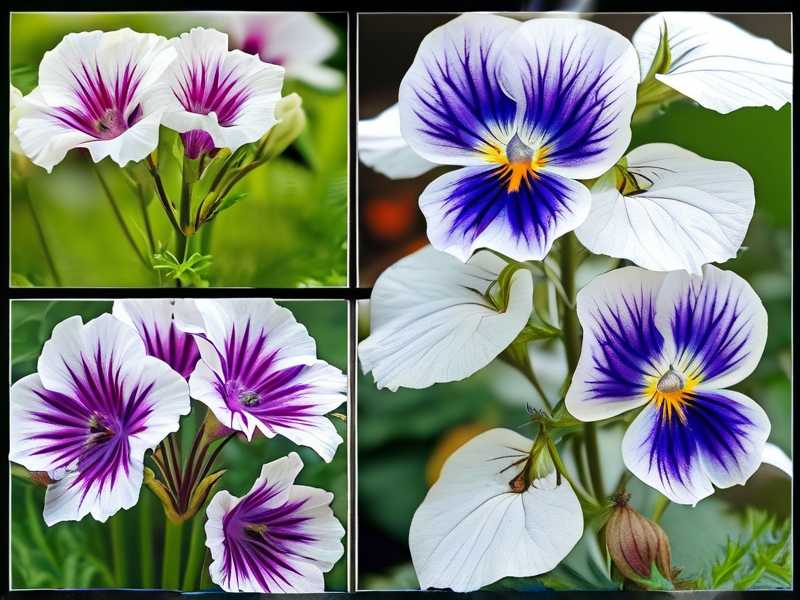
Day fourteen: Both varieties looked healthy and vibrant. White stock had full, dense clusters of white blooms. Purple stock had taller stems with looser flower spikes. I liked both for different reasons. White stock looks elegant and tidy. Purple stock looks wild and romantic. Honestly, I can't pick a favorite.
Expert Care Tips from My Experience
After two weeks of focused care, I figured out a solid routine. Here's what works for me.
Soil and Drainage are Everything
Stock hates wet feet. That's my number one rule. I mix my own soil blend now. Equal parts compost, perlite, and horticultural sand. It drains fast but holds enough moisture. I never use garden soil. It's too heavy. It compacts and traps water. Bad for stock roots.
I also add a layer of gravel at the bottom of each pot. This prevents the drainage hole from clogging. Cheap, easy, and effective. I do this for both white and purple stock. No exceptions.
Light Requirements by Color
White stock is a bit finicky about light. I keep mine where it gets morning sun but protection from harsh midday rays. A north-facing window works great. East-facing works too. Just avoid direct south.
Purple stock handles more light. I've had success with east or west windows. The key is consistency. Don't move them around too much. Stock hates frequent relocation. It causes leaf drop and stunted growth. Pick a spot and leave it there.
Temperature and Humidity
I keep my home around 65 to 72°F (18 to 22°C). Stock loves this range. It doesn't like sudden temperature swings. I keep mine away from drafts and heaters. That means no windows that open frequently and no spots near air vents.
Humidity is tricky. Stock doesn't need high humidity like ferns. But it doesn't like dry air either. I mist my plants lightly every morning. Just a fine spray. For white stock, I mist the air around it, not the leaves directly. Purple stock handles direct misting better. The American Horticultural Society suggests similar approaches for cool-season annuals. Check their site for more details.
Winter Care for Stock Varieties
Stock is typically grown as an annual or biennial in most climates. But I overwinter mine indoors. Here's how.
In winter, light drops dramatically. I use a grow light for both varieties. White stock needs about 12 hours of light per day. Purple stock does fine with 10 hours. I keep the light about 6 inches above the plants. Any closer and it burns them. Any farther and they stretch out.
Watering drops in winter. I water white stock maybe once every 7 to 10 days. Purple stock gets water every 5 to 7 days. I check soil moisture first. If it's still damp, I wait. Overwatering in winter kills stock fast. I learned this the hard way when I lost a beautiful purple plant in January.
Fertilizing stops completely during winter. Stock goes semi-dormant. It doesn't need food. I resume feeding in early spring when I see new growth. This usually happens around March for me.
Common Stock Problems and Fixes
I've dealt with a lot of stock issues. Here's what I've seen and how I fixed them.
Yellow Leaves
This happened with my white stock during week one. Usually means overwatering or poor drainage. I cut back on water and checked the pot's drainage. Fixed within a few days. Sometimes yellow leaves mean nutrient deficiency. If watering doesn't help, try a balanced fertilizer.
Drooping Stems
Purple stock is prone to this. It often means the plant needs more support. I use small bamboo stakes. I tie stems loosely with soft plant ties. If the whole plant droops, check the soil. It might be too dry. Give it a deep watering and see if it perks up overnight.
Pest Issues
Aphids love stock. I've seen them on both white and purple varieties. I use insecticidal soap. Spray every 3 to 4 days until they're gone. Neem oil works too but it's stronger. I prefer the soap for young plants. For heavy infestations, I isolate the plant immediately. I once lost a whole tray of seedlings because I didn't catch aphids early.
FAQ
Can I grow white and purple stock together in the same pot?
I don't recommend it. They have different water and light needs. White stock prefers drier soil. Purple stock wants slightly more moisture. Keeping them separate saves you from constant compromise. Each plant thrives better in its own space.
How often should I fertilize stock during the growing season?
I fertilize every two to three weeks during spring and summer. Use a balanced, water-soluble fertilizer at half strength. Full strength burns the roots. I apply directly to damp soil, not the leaves. This prevents leaf scorch. Stop fertilizing once the first flowers open.
Why are my stock flowers not fragrant?
This happened to me with a white stock plant last year. Lack of fragrance often means inadequate sunlight. Stock needs enough light to produce its characteristic scent. Move it to a brighter spot and ensure proper watering. Temperature also matters. Stock produces more fragrance on warm, sunny days.