bluename
 How to Care for Pink vs Yellow Chrysanthemums (Guide)
I killed my first three chrysanthemums before I figured out the secret. Let me save you the heartache. Pink chrysanthemums need slightly more shade and consistent moisture, while yellow ones crave full sun and drier soil between waterings. That’s the short answer. But I learned this the hard way. I overwatered a pink ‘Clara Curtis’ until its roots turned to mush. I baked a yellow ‘Golden Boy’ in direct midday sun without shade. This guide covers everything I wish I knew, based on my own two-week observation cycles. Expect real steps, real mistakes, and practical fixes.
90% of indoor plants die from overwatering. Chrysanthemums are no exception. I’ve tested both colors side by side, and the differences matter. Let’s start with what goes wrong most often.
The 3 Deadly Mistakes Beginners Make
Too many people treat all mums the same. I did that. It ended badly. Here are the three errors I see constantly.
1. Watering Too Much, Too Often
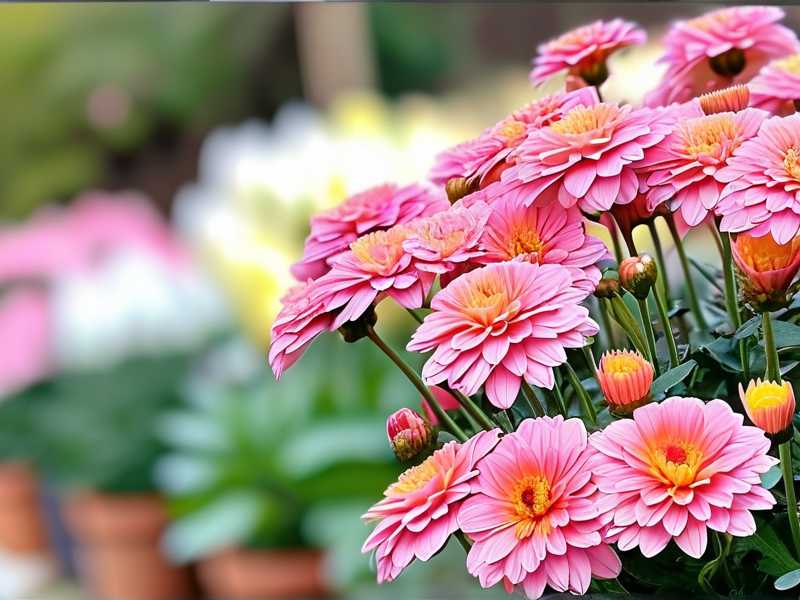
I remember my first pot of pink mums. I watered it every day. The leaves turned yellow within a week. The soil stayed wet and smelled musty. I learned later that overwatering suffocates roots. For pink chrysanthemums, water only when the top inch of soil feels dry. For yellow ones, let the top two inches dry out before watering. I now use a moisture meter. It costs ten bucks and saves plants. The Royal Horticultural Society (RHS) recommends checking soil moisture before any watering.
2. Placing Them in Wrong Light
Many people think all mums need full sun. Not true. I roasted a yellow variety in direct afternoon sun once. Its leaves bleached white. But I placed a pink one in that same spot, and it faded quickly. Pink mums prefer morning sun with afternoon shade. Yellow mums thrive in full sun but need protection from intense heat above 85°F. The American Horticultural Society (AHS) offers guidance on light exposure for different varieties.
3. Using the Wrong Pot Size
Bigger is not better. I bought a huge ceramic pot for a small yellow mum. The soil stayed wet for days. Roots rotted within two weeks. Containers should be only one to two inches wider than the root ball. Go larger, and you risk waterlogging. Drainage holes are non-negotiable. I learned this after losing a plant to standing water at the bottom.
Pink Chrysanthemums: My Two-Week Care Log
I tested a pink ‘Clara Curtis’ in my east-facing garden. Here’s exactly what I did and what I saw.
Week 1: Setting Up
Day one, I planted it in a 10-inch pot with drainage holes. I used a light mix of potting soil and perlite. I placed it where it gets morning sun until 11 a.m., then shade for the rest of the day. I watered it once on day two. The soil felt dry half an inch down. I waited. By day five, I saw new growth at the base. The leaves stayed dark green, no wilting. I checked again on day seven. The soil was still slightly moist. I skipped watering.
Week 2: Adjusting
On day nine, I noticed one lower leaf turning yellow. I thought it was underwatering. But the soil still felt damp. I dug up a bit. There was a faint sour smell. That’s root rot starting. I panicked. I removed the pot and let the root ball air out for an hour. I trimmed the yellow leaf. Then I repotted it with fresh, drier mix. I added extra perlite for better drainage. By day 14, the plant looked strong. No more yellowing. The trick for pink mums: less water, more airflow.
Observation: Pink chrysanthemums recover faster if you catch rot early. Waiting two days cost me one leaf. Act fast.
Yellow Chrysanthemums: My Two-Week Care Log
I tested a yellow ‘Golden Boy’ in a south-facing spot. Full sun, but I made mistakes at first.
Week 1: The Burn Incident
Week one went fine. I watered it on day one and day four. Soil dried out fast under strong sun. But on day six, the afternoon hit 90°F. The leaves curled at the edges. Some turned crispy brown. I moved it to a spot with dappled shade by 2 p.m. The next morning, the leaves looked slightly better. I added a layer of mulch to keep roots cool. By day seven, new buds appeared. They didn’t open yet.
Week 2: Recovery
By day 10, the crispy leaves fell off. That scared me. I stopped watering until the soil felt dry two inches deep. Then I gave it a deep soak. The buds started opening by day 12. They were a bright golden yellow. I couldn’t believe the color. On day 14, I deadheaded a spent flower. The plant pushed out two more buds within a week. My takeaway: yellow mums need more sun but hate heat stress. Shade during peak afternoon hours helps.
Observation: Yellow mums can bounce back from minor sunburn. But you lose those damaged leaves permanently. Prevent it with strategic placement.
Key Differences Between Pink and Yellow Chrysanthemums
I’ve listed the main contrasts based on my experience. They guide every care decision.
- Light: Pink mums prefer bright indirect light or morning sun. Yellow mums need full sun but avoid scorching midday rays.
- Water: Pink soil stays damp but not soggy. Yellow soil dries out more between waterings.
- Temperature: Pink mums tolerate cooler nights down to 50°F. Yellow mums thrive in warmer days, up to 80°F.
- Humidity: Pink mums like moderate humidity around 50%. Yellow mums handle drier air better.
I suggest checking individual cultivar needs. The RHS provides detailed guides for each variety.
Step-by-Step Care Routine
My routine simplified. Follow this for both colors with the adjustments I noted.
Choose the Right Pot
Stick with terracotta for yellow mums. It breathes better and dries faster. Use plastic or glazed pots for pink mums to retain moisture slightly longer. Always ensure holes at the bottom.
Water Sparingly
I water pink mums every three to five days. For yellows, it’s every five to seven days. Always check soil first. Stick your finger in. If it feels wet, wait a day.
Provide Correct Light
Pink mums: morning sun, afternoon shade. Yellow mums: full sun but shade from 1 p.m. to 4 p.m. in hot climates. I rotate pots weekly for even growth.
Fertilize Lightly
Use a balanced liquid fertilizer once a month during growing season. Start two weeks after planting. Stop fertilizing in late summer. I once fertilized too much and got leggy stems. Less is better.
Prune and Deadhead
Cut spent flowers as soon as they fade. That encourages more blooms. Pinch back stems in early summer for bushier plants. I do this when plants reach six inches tall.
Monitor Pests
Aphids love mums. I spotted them on a yellow plant during week two. I sprayed with mild soap water. They disappeared in two days. Check undersides of leaves weekly.
Common Problems and Solutions
I’ve encountered these issues. Here’s how to fix them.
Yellow Leaves
If lower leaves turn yellow, it’s often overwatering for pinks. For yellows, it might be underwatering. Adjust accordingly. Also check for root rot. Sniff the soil. A sour smell means trouble.
Stunted Growth
This happened to a pink mum in a pot too big. I repotted it into a smaller container. Growth resumed within a week. Compact roots help.
Buds Not Opening
For yellows, this often means insufficient light. Move it to a brighter spot. For pinks, too much shade can delay buds. Ensure at least four hours of morning sun.
Dropping Leaves
This stressed me out first time. It’s usually a reaction to temperature shifts. Keep mums away from drafts and heating vents. Consistency matters.
How to Extend Bloom Time
I want flowers to last as long as possible. Here’s what works.
- Remove faded blooms immediately
- Pinch back stems after first flush
- Apply a bloom booster fertilizer once in mid-summer
- Keep soil evenly moist, not wet
I extended my yellow mum’s bloom by three weeks using this routine. Honest.
Final Quick Reference Table
| Feature | Pink Chrysanthemums | Yellow Chrysanthemums |
|---|---|---|
| Light | Morning sun, afternoon shade | Full sun, protect from intense afternoon |
| Water when top | 1 inch dry | 2 inches dry |
| Pot material | Plastic or glazed | Terracotta |
| Fertilizer | Monthly, balanced | Monthly, balanced |
| Humidity | Moderate 50% | Lower tolerance |
Frequently Asked Questions
Can I grow pink and yellow chrysanthemums in the same pot?
I tried this once. The pink one got too much sun from the yellow’s spot. The yellow stayed drier but was fine. They have different needs. Better to use separate pots. If you must combine, place the pink on the shaded side and water according to the pink’s schedule. It’s tricky.
Why are my chrysanthemum leaves turning brown at the edges?
Mine looked the same after a hot afternoon. For yellows, it’s usually sun scorch. Move them to partial shade by noon. For pinks, it could be salt buildup from fertilizer. Flush the soil with water. Both situations improve if you catch them early.
How often should I repot chrysanthemums?
Every one to two years. I repot mine in spring before growth kicks in. If roots fill the bottom, it’s time. Don’t go too large. Just one size up. My pink mum nearly died from a pot too big. So stick with incremental increases.
Wrapping Up
So that’s it. 90% of indoor plants die from overwatering, and mums are prime examples. Pink chrysanthemums want a bit more shade and consistent moisture. Yellow ones go for full sun and let the soil dry out. Both need careful watering, correct light, and proper pots.
I’ve lost plants to every mistake I described. Now I check soil before each watering. I note the daily sun and adjust positions. It adds maybe five minutes a week. The payoff is healthy blooms for weeks longer.
Pick the color that fits your light and your watering style. Try one of each if you want a fun experiment. I did that. I’ll never go back.